

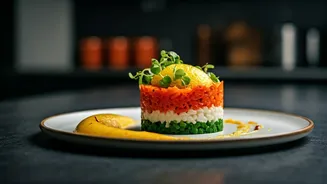


Beyond the Big Cities
The most exciting front of this revolution is the passionate return to regional roots. For years, the diverse tapestry of India’s cuisine was flattened into broad, commercial categories like 'North Indian' or 'South Indian'. Today, food lovers and chefs
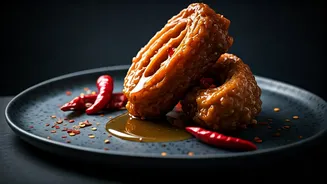
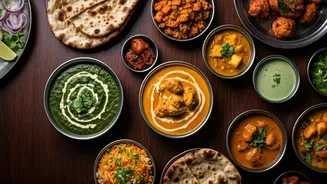
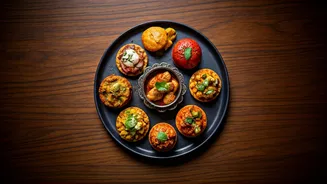
are digging deeper, championing the distinct flavours of states and even districts. Restaurants serving authentic Odia, Bihari, or Assamese food are no longer niche oddities in metros like Delhi and Mumbai; they are celebrated destinations. This movement celebrates hyper-local ingredients and cooking techniques that were previously confined to home kitchens. Think litti chokha from Bihar, poda pitha from Odisha, or pork with bamboo shoots from Nagaland. This isn't just about new dishes on a menu; it's about reclaiming culinary identity and telling the story of India, one region at a time.
The Ancient Grains Get a Glow-Up
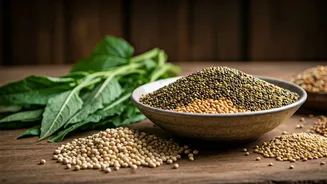
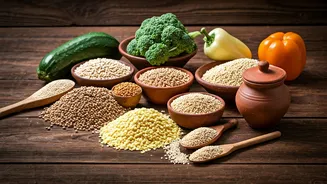
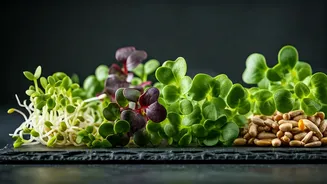
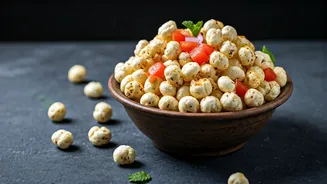
Parallel to the regional revival is a powerful wellness-driven shift back to our roots. As urban Indians become more health-conscious, they are looking past refined flour and rice towards the powerhouse grains our grandparents ate. Millets like jowar, bajra, and ragi are experiencing a massive resurgence. Once considered humble 'village food', they are now the stars of cafe menus, gourmet breads, and even fancy desserts. The UN's declaration of 2023 as the International Year of Millets, championed by India, only amplified this trend. This isn't just about dieting; it's about a broader appreciation for sustainable, climate-resilient crops that are intrinsically part of our agricultural heritage. Chefs are using these grains to create innovative dishes that are both nutritious and delicious, proving that healthy eating doesn't mean sacrificing flavour.
Indian Food, Remixed for the World
For too long, Indian food abroad was relegated to the cheap-and-cheerful curry house. That narrative is being rewritten by a new generation of ambitious Indian chefs who are presenting our cuisine on the world stage with confidence and creativity. Chefs like Gaggan Anand, Manish Mehrotra of Indian Accent, and Garima Arora, the first Indian woman to win a Michelin star, are deconstructing and reimagining traditional flavours with modern techniques. They are not diluting Indian food to please a Western palate. Instead, they are elevating it, showcasing its complexity, and proving that it belongs in the pantheon of global fine dining. These chefs are cultural ambassadors, changing perceptions and inspiring a new generation to see Indian cooking as a dynamic and evolving art form.
Driven by a Digital Appetite
None of this would be happening at this scale or speed without the power of social media. Instagram, YouTube, and food blogs have become the primary vehicles for culinary discovery. A beautifully photographed thali from a little-known regional restaurant can go viral, creating instant demand. Home cooks sharing heirloom family recipes find a massive, engaged audience online. Food influencers and digital creators have democratised food media, shifting the focus from elite critics to passionate, grassroots voices. This digital ecosystem creates a feedback loop: social media generates curiosity for new and forgotten foods, which in turn encourages more chefs and entrepreneurs to experiment, knowing there is an eager audience waiting to discover—and share—their creations.