


Beyond The Cardboard Box
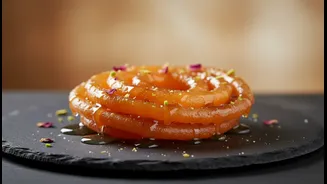
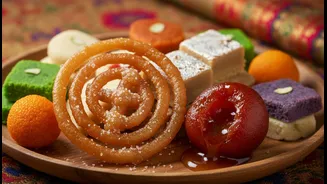
For generations, the Indian sweet box has been a familiar sight: a simple cardboard container, often brightly coloured, filled with an assortment of ladoos, barfis, and pedas. Its purpose was straightforward—to be shared among family, friends, and colleagues
during festivals and celebrations. The joy was communal, the experience collective. The sweets themselves, while delicious, were often predictable. But now, a new generation of mithai-makers is challenging this status quo, asking a simple question: What if a box of sweets could be more? What if it was an invitation to a personal journey of discovery?
The Art of the Unboxing
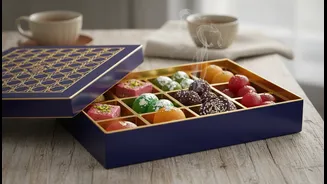
The transformation begins with the packaging itself. Today’s gourmet mithai brands are investing heavily in presentation, turning each box into a work of art. Think rigid, reusable boxes with magnetic clasps, intricate patterns, gold foil, and elegant, minimalist designs reminiscent of luxury French patisseries. The act of opening the box is now a key part of the experience, a sensory delight designed to build anticipation. Some brands even collaborate with Indian artists for their packaging, making the box a collectible item long after the sweets are gone. This focus on premium packaging elevates the sweets from a simple treat to a sophisticated, gift-worthy indulgence.
A New World of Flavour
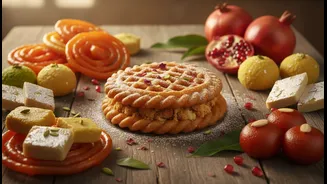
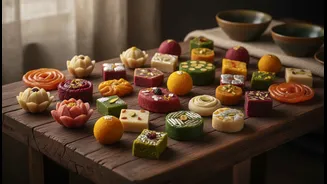
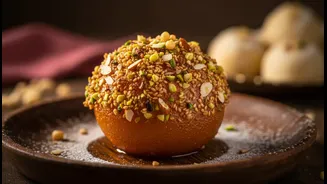
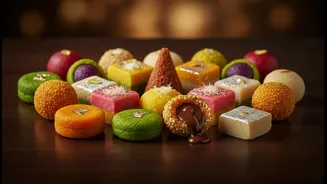
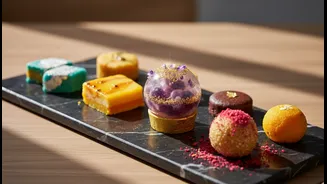
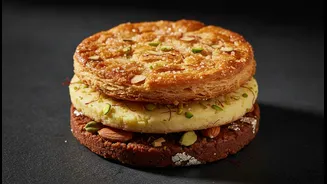
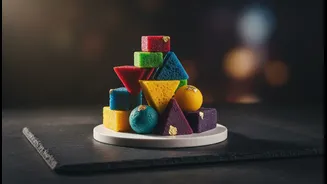
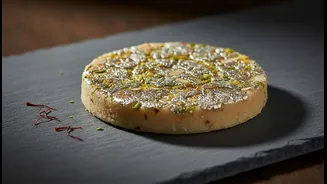
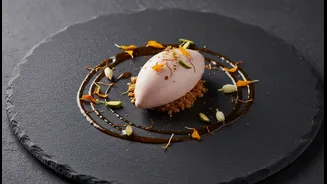
Inside these exquisite boxes, tradition meets fearless innovation. While classic recipes are respected, they are often infused with global ingredients and contemporary twists. Imagine motichoor laddoos infused with wine or whiskey, barfis with notes of lavender or cheesecake, and pedas made with Nutella. Ingredients are premium and globally sourced: pistachios from Afghanistan, macadamia nuts from South Africa, and even Belgian chocolate. These creations cater to a well-travelled Indian palate that values novelty alongside nostalgia. The result is a tasting menu of sorts, where each bite tells a different story.
An Experience for One
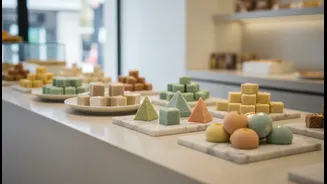
This new approach fundamentally changes how we interact with mithai. The new boxes are often smaller, with sweets individually portioned and sometimes even individually wrapped, akin to fine chocolates. This encourages a more personal and mindful tasting experience. Instead of a communal platter, this is a treasure chest to be explored solo. The joy comes from discovering the unique flavour profile of a coffee-infused rasgulla or appreciating the texture of a biscoff-flavoured gujiya. It transforms mithai from a festive-only treat into a year-round, personal indulgence.
A Sweet Sign of the Times
This evolution of the mithai box is more than just a food trend; it’s a reflection of broader shifts in modern India. It speaks to rising disposable incomes, an appetite for luxury and premium goods, and a desire for personalized experiences. It shows how a new generation is finding ways to honour tradition while adapting it to a globalized world. These new-age mithai-walas are not just selling sweets; they are creating scalable, direct-to-consumer brands built on storytelling and impeccable design. They are ensuring that one of India’s most cherished culinary traditions continues to evolve, innovate, and delight for generations to come.