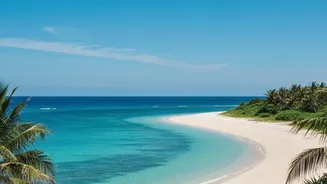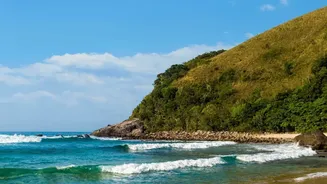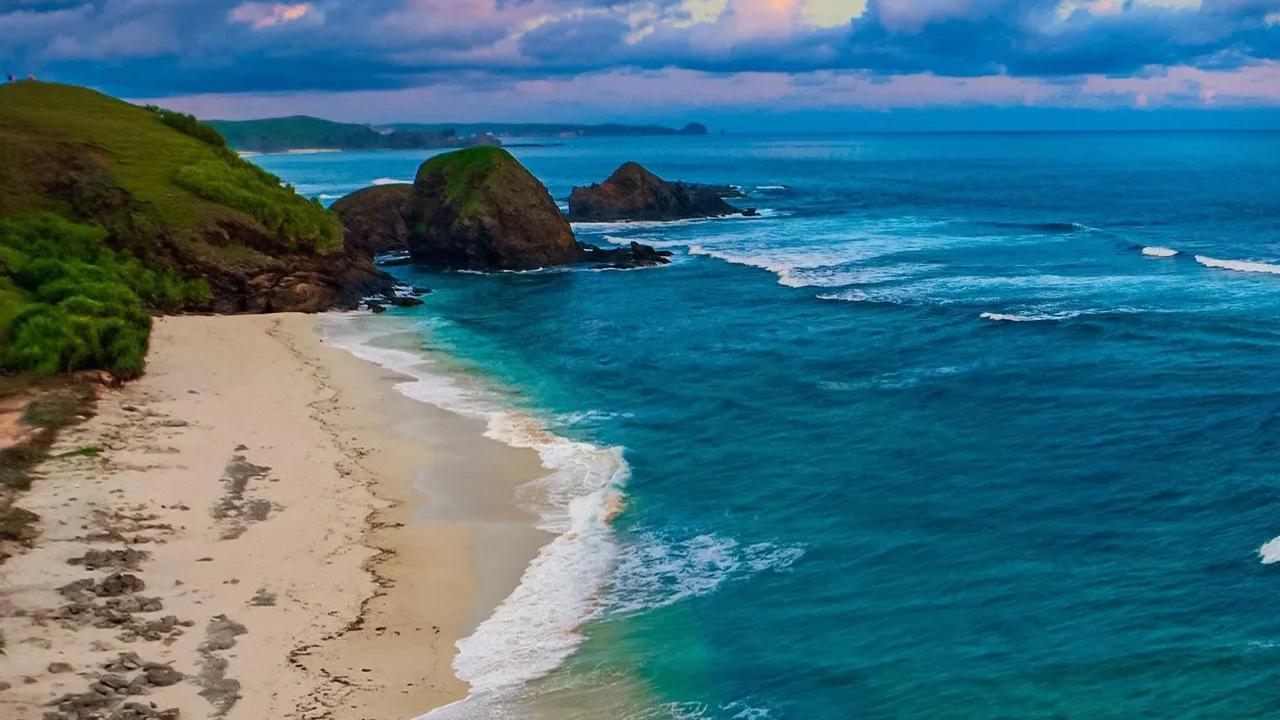









Goa's name often conjures images of vibrant parties on packed shores. But for travellers seeking tranquility, two beaches now offer a certified escape, promising pristine sands and more space than the state's bustling tourism magnets.
The Global Stamp of Approval
In November 2026,
two of Goa's beaches—Mandrem in the north and Galgibaga in the south—were awarded the prestigious Blue Flag certification for the 2026-27 season. This isn't just a travel award; it's a globally recognised eco-label from the Foundation for Environmental Education (FEE). To earn the flag, a beach must meet and maintain 33 stringent criteria covering water quality, environmental management, safety, and accessibility. The certification is awarded annually, meaning these beaches have proven they are among the cleanest and best-managed not just in India, but in the world, offering a guaranteed standard that typical tourist beaches don't have.
The Usual Suspects: Goa's Crowded Hubs
For years, the Goan experience for many has been defined by the high-energy, densely packed northern beaches like Baga and Calangute. Known as the 'Queen of Beaches', Calangute is one of Goa's largest and busiest, flowing seamlessly into Baga, the epicentre of water sports and nightlife. These areas are magnets for tourists, packed with shacks, restaurants, and a constant thrum of activity. While exciting, they leave little room for quiet contemplation or finding an empty patch of sand, especially during peak season. This constant buzz is precisely what many visitors now hope to avoid.
South Goa's Serene Secret: Galgibaga Beach
Galgibaga, located in the quiet far south near the Karnataka border, offers a completely different atmosphere. Often called 'Turtle Beach', it is one of Goa's three protected nesting sites for the endangered Olive Ridley turtle. This conservation focus means development is minimal. You won't find the rows of commercial shacks or loud music that define the northern hubs. Instead, you get a 1.7-kilometre stretch of silvery sand, clean water, and an overriding sense of peace. The beach is managed with nature as the priority; during the nesting season (roughly November to March), access can be restricted at night to protect the turtles. This makes Galgibaga the perfect destination for nature lovers and those seeking genuine tranquility, a place where the sound of the waves is the main soundtrack.
North Goa's Quieter Corner: Mandrem Beach
While North Goa is known for its crowds, Mandrem provides a calmer alternative that has now earned global recognition. Positioned in the far north, away from the Baga-Calangute belt, Mandrem is known for its scenic shoreline and more relaxed vibe. It has long been a favourite for those in the know, offering a balance between having some amenities and maintaining a peaceful environment. Unlike the city-adjacent feel of Miramar Beach in Panjim—another relatively calm North Goa spot known more for evening walks than as a resort destination—Mandrem feels like a proper beach escape. Its Blue Flag status now officially confirms its high standards of cleanliness and management, making it an ideal choice for travellers who want to stay in the north but escape its most intense crowds.
Choosing Space Over Crowds
The contrast between these Blue Flag beaches and Goa's peak hubs is stark. At Baga or Calangute, your day is filled with people, commerce, and a constant array of activities. At Galgibaga and Mandrem, the experience is defined by space, nature, and quiet. The Blue Flag award isn't just about clean water; it signifies a well-managed environment where visitors can connect with the coast without the overwhelming pressure of mass tourism. For a visitor, this translates directly into 'more breathing room'—the ability to walk along an uncluttered shore, enjoy the natural beauty without interruption, and find a slice of the peaceful paradise that first put Goa on the map. Opting for these certified beaches is a conscious choice for a more restorative and environmentally mindful holiday.