






Embrace the Art of Layering
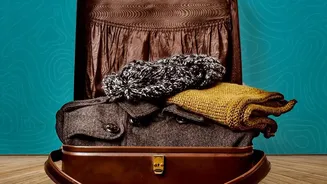
The single most important strategy for multi-climate packing is layering. Instead of packing bulky, single-purpose items like a heavy winter coat and a separate set of beachwear, think in modular terms. The goal is to build warmth by adding thin layers
and cool down by removing them. A base layer (like a t-shirt or tank top), a mid-layer (like a long-sleeve shirt or a light fleece), and an outer layer (a jacket) can be combined in numerous ways to handle a wide range of temperatures. This approach gives you far more outfit versatility without the weight and volume of packing for two entirely different destinations.
Choose Your Fabrics Wisely
Not all clothing is created equal, especially for travel. Prioritise fabrics that are lightweight, resist odour, and dry quickly. Merino wool is a top performer; it’s excellent at regulating body temperature, wicks away moisture, and can be worn multiple times without smelling. Synthetic fabrics like polyester and nylon are also great choices, particularly for base layers and activewear, as they are durable and dry fast. For a warm mid-layer, consider a lightweight fleece or a packable down jacket, which offers incredible warmth for its weight. By choosing the right materials, each piece of clothing works harder for you.
The One-Jacket Wonder
Instead of multiple coats, invest in one high-quality, versatile jacket. The ideal choice is a waterproof and windproof shell. On its own, it can protect you from rain and wind in milder temperatures. When the temperature drops, you can wear it over your fleece or packable puffer jacket to create a warm, weather-resistant system. Look for a jacket that is lightweight and can be packed down small. This single piece of outerwear becomes the cornerstone of your cold-weather gear, saving you a tremendous amount of space and weight in your luggage.
The Three-Shoe Rule
Footwear is often the bulkiest and heaviest part of packing. To keep things light, limit yourself to a maximum of three pairs. First, a comfortable pair of walking shoes or trail runners that can handle city streets and light hikes. Second, a smarter pair for evenings out, like loafers or flats. Finally, a pair of sandals or flip-flops for the beach and casual lounging. Wear your heaviest pair, likely the walking shoes, on the plane to save precious luggage space. This minimalist approach ensures you’re prepared for any activity without your shoes taking over your entire bag.
Pack for Double-Duty
Every item in your bag should earn its place by being as versatile as possible. Think about items that can serve more than one purpose. A large scarf or sarong can be used as a beach cover-up, a towel, a picnic blanket, or an accessory to dress up an outfit. Convertible pants that zip off into shorts offer flexibility for changing weather. A simple, dark-coloured dress can be worn with sandals during the day and then layered with leggings and a cardigan for a cooler evening. This mindset of selecting multi-purpose items is key to building a functional and minimal travel wardrobe.
Organise with Packing Cubes
Once you’ve selected your versatile wardrobe, the final step is to pack it efficiently. Packing cubes are a game-changer for organisation. Use them to compartmentalise your clothing. You could have one cube for your base layers and t-shirts, another for your warmer mid-layers, and a third for underwear and socks. Rolling your clothes before placing them in the cubes can help minimise wrinkles and save even more space. This system not only keeps your suitcase tidy but also makes it easy to find exactly what you need without unpacking everything, whether you’re grabbing a swimsuit for the beach or a fleece for a mountain hike.