







Mandatory Registration and Permits
Your journey begins with mandatory registration, which can be completed online via the official Shri Amarnathji Shrine Board (SASB) website or offline at designated bank branches. The process requires a valid government ID like an Aadhaar card, passport-sized
photographs, and a crucial document: the Compulsory Health Certificate (CHC). This certificate, obtainable from an authorized doctor or medical institution, confirms your fitness for the high-altitude trek. Once registered, you will receive a Yatra Permit for a specific date and route. Additionally, all pilgrims must collect and wear a Radio Frequency Identification (RFID) card, which is essential for tracking and safety. Authorities are strict about these rules, and unregistered individuals will not be permitted to proceed on the pilgrimage route.
Health, Fitness, and Acclimatization
The trek to the Amarnath cave, situated at an altitude of 3,888 meters, is physically demanding. It is crucial to prepare your body at least a month in advance by walking 4-5 kilometers daily. Breathing exercises like Pranayama can also help your body adapt to lower oxygen levels. The eligibility for the Yatra is restricted to individuals between the ages of 13 and 70. Pregnant women beyond six weeks are not permitted to undertake the journey. Acclimatization is vital to prevent acute mountain sickness (AMS). Spend a day or two at base camps like Pahalgam or Baltal to allow your body to adjust to the high altitude before starting the trek. Staying well-hydrated by drinking plenty of water is also essential.
Choosing Your Route: Pahalgam vs. Baltal
Pilgrims can choose between two primary routes to the holy cave: the traditional Pahalgam route and the shorter Baltal route. The Pahalgam route is longer, spanning approximately 36-48 kilometers, and typically takes 3-5 days to complete. Its gradual incline makes it more suitable for first-timers, families, and senior citizens. The Baltal route is much shorter at around 14-16 kilometers, allowing pilgrims to complete the journey in 1-2 days. However, it is significantly steeper and more challenging, recommended for those with high physical fitness. Your choice should depend on your fitness level, time constraints, and desired pilgrimage experience.
Essential Packing List
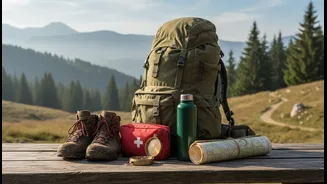
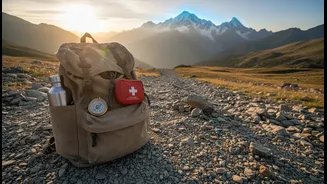
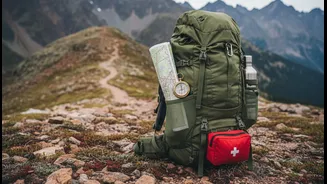
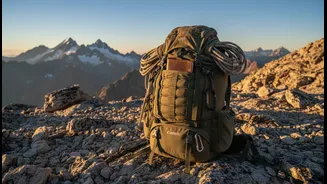
Packing thoughtfully is critical due to the unpredictable mountain weather. Layering is key, so pack thermal innerwear, fleece jackets, and a waterproof windcheater. A sturdy pair of waterproof trekking shoes with good grip is non-negotiable. Other essentials include woolen socks, gloves, a cap, and a raincoat or poncho. Carry a personal medical kit with any prescribed medications, painkillers, antiseptic cream, bandages, and tablets for altitude sickness. Sunscreen and sunglasses are important to protect against strong UV rays at high altitudes. Pack high-energy snacks like dry fruits and energy bars, and carry a reusable water bottle to stay hydrated. A small backpack, a torch with extra batteries, and a power bank are also highly recommended.
On the Trail: Safety and Etiquette
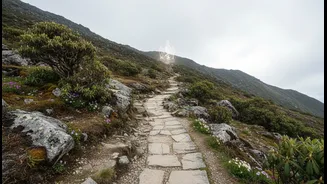
During the trek, always travel in a group and stick to the designated routes. Keep your Yatra Permit and RFID card with you at all times. Do not overexert yourself; walk at a steady pace and take frequent breaks. If you experience symptoms of altitude sickness like dizziness or breathlessness, descend to a lower altitude immediately and seek medical attention at the posts available every few kilometers. Respect the fragile environment by not littering and avoiding the use of plastics. Langars (community kitchens) provide free food along the route, but carrying your own snacks is advisable. BSNL SIM cards tend to have the best connectivity in the region. Following all instructions from security forces and officials will ensure a safe and smooth journey for everyone.