

The Unkillable Snake Plant
Sansevieria, or the Snake Plant, is a champion for beginner plant parents and a must-have for the monsoon. Its tough, architectural leaves tolerate low light conditions, a common feature of rainy days. More importantly, it thrives in neglect and is highly
susceptible to overwatering, making the 'less is more' approach perfect for the humid season. High humidity means you’ll need to water it even less frequently—perhaps only once every three to four weeks. Besides its hardy nature, it is an excellent air purifier, known for filtering indoor air toxins. Just ensure it's in a pot with good drainage to prevent root rot, the number one enemy during the rains.
The Versatile Money Plant
No Indian home is complete without the humble Money Plant (Epipremnum aureum or Pothos). It's incredibly easy to grow and loves the high humidity that the monsoon brings. Known for its fast-growing, trailing vines, it can be styled in hanging baskets, trained up a wall, or simply placed on a shelf. During the monsoon, its growth can be vigorous. However, be mindful of watering; allow the top inch or two of the soil to dry out completely before watering again. Its heart-shaped leaves are not just symbolic of prosperity but are also effective at purifying the air. Given its adaptability, it’s a forgiving choice if you're still learning to read a plant's needs.
The Hardy ZZ Plant
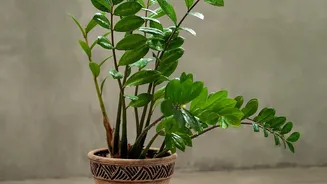
If you're looking for a plant that is virtually indestructible, the ZZ Plant (Zamioculcas zamiifolia) is your answer. With its wide, dark green, glossy leaves, it adds a touch of modern elegance to any space. The ZZ plant is extremely drought-tolerant because it stores water in its underground rhizomes, making it perfect for those who tend to forget watering. It thrives in low-light conditions, making it an excellent choice for darker apartment corners that get even less sun during overcast monsoon days. High humidity is not a problem for this hardy plant, but waterlogged soil is. Ensure the soil is completely dry before you even think about watering it.
The Elegant Peace Lily
The Peace Lily (Spathiphyllum) is beloved for its ability to produce beautiful white blooms even in lower light conditions. It's a plant that loves the high humidity of the Indian monsoon, which can encourage it to flower. One of its best features for beginners is that it visibly droops when it needs water, taking the guesswork out of your care routine. During the monsoon, this visual cue is especially helpful to prevent overwatering. Peace Lilies are also known for their ability to absorb excess moisture from the air, which can help reduce dampness and prevent mould. Just keep it away from direct sunlight, which can scorch its leaves.
The Prolific Spider Plant
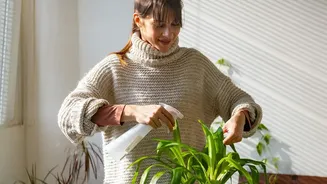
The Spider Plant (Chlorophytum comosum) is a cheerful and resilient addition to any apartment. It tolerates a wide range of conditions and doesn't demand much attention. The high humidity during the monsoon is well-tolerated by this plant. It produces long, arching leaves and sends out baby plantlets, or “spiderettes,” which can be easily propagated to create new plants. Like the others on this list, it prefers its soil to dry out between waterings. Its dense foliage helps improve air circulation and it's recognized as a powerful air purifier, making your indoor space healthier during the damp season.
A Note on Monsoon Care
The golden rule for indoor plants during the monsoon is to reduce watering. The high humidity in the air means soil dries out much slower, and overwatering is the quickest way to cause root rot. Always check the top inch or two of soil with your finger; if it feels damp, wait a few more days before watering. It’s also wise to ensure good air circulation to prevent fungal growth and to wipe leaves occasionally to keep them clean and pest-free. Moving your plants a bit closer to windows can help them capture the limited indirect sunlight available on cloudy days.