



The Challenge with Current Batteries
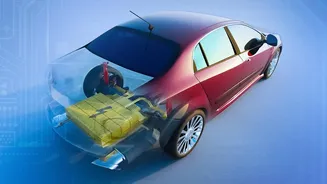
The heart of every electric vehicle is its battery, which can make up as much as 40 percent of the total vehicle cost. For years, lithium-ion has been the go-to technology, but it comes with a catch. The core materials, like lithium and cobalt, are expensive,
geographically concentrated, and subject to volatile pricing. This reliance on imported materials not only drives up the price of electric scooters and motorcycles but also creates supply chain vulnerabilities for Indian manufacturers, hindering the dream of a truly affordable EV for the masses. The goal has always been to find an alternative that is cheaper, safer, and built on readily available resources, paving the way for mass adoption.
The Power of Salt: Sodium-Ion Technology
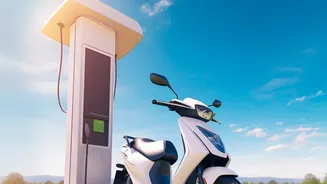
Enter sodium-ion (Na-ion) batteries, a technology that leverages one of the most abundant and inexpensive elements on Earth: sodium, a key component of common salt. Unlike lithium, sodium is available globally, which drastically reduces raw material costs and aligns perfectly with India’s 'Make in India' and self-reliance goals. Indian firms like KPIT Technologies are at the forefront, developing Na-ion batteries that could slash battery costs by 25-30%. These batteries are not just cheaper; they are also safer, with better thermal stability and a reduced risk of fire. While they currently have a lower energy density than high-end lithium-ion batteries (meaning a slightly shorter range for the same size), they are ideal for urban two-wheelers where long-distance travel is less critical. With long cycle lives of over 3,000 charges and faster charging capabilities, they present a practical and economical solution for everyday commuting.
The Silicon Boost: A Performance Game-Changer
While sodium-ion tackles the cost issue, another innovation is addressing performance: the silicon anode. Traditionally, lithium-ion battery anodes are made of graphite. Silicon, however, has a secret weapon—it can theoretically hold over ten times more lithium ions than graphite. This means batteries can become significantly more energy-dense. For the rider, this translates into three potential benefits: a much longer range on a single charge, a smaller and lighter battery pack for the same range, or a combination of both. The main challenge with silicon has been that it swells and shrinks dramatically during charging and discharging, which can damage the battery over time. However, researchers have developed innovative structures, such as using silicon in nanowire form or blending it with carbon, to manage this expansion and ensure a long, stable lifespan. This technology allows for faster charging times and pushes the performance boundaries of what entry-level EVs can offer.
Transforming the Entry-Level Market
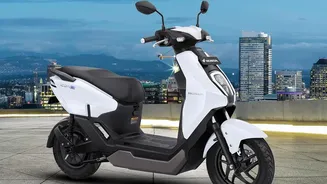
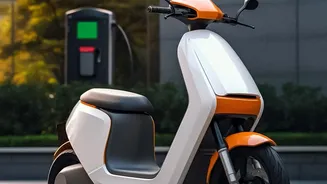
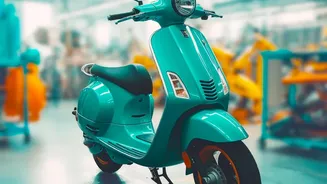
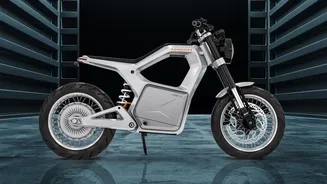
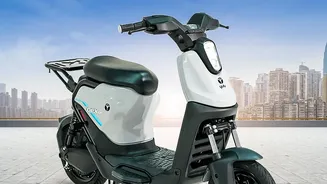
The combination of these two technologies is set to create a paradigm shift, particularly in India's price-sensitive two-wheeler market. Sodium-ion batteries will drive down the upfront cost of electric scooters and bikes, making them financially accessible to a much broader audience. Nashik-based manufacturer Jitendra New EV Tech, for example, is already planning to launch two-wheelers powered by sodium-ion batteries by early 2026, targeting Tier 2 and Tier 3 cities. Simultaneously, the integration of silicon in anodes will ensure that these affordable EVs don't compromise on performance. Buyers will no longer have to choose between low cost and decent range or fast charging. This dual-pronged innovation allows manufacturers to offer vehicles that are both cheap to buy and practical to own, directly addressing the key pain points of range anxiety and charging time that have historically held back potential buyers.
The Road Ahead for Adoption
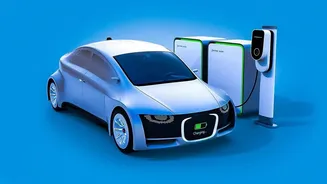
While the potential is immense, the widespread adoption of salt and silicon technologies won't happen overnight. For sodium-ion, the primary task is scaling up manufacturing to bring down production costs and compete with the established lithium-ion supply chain. For silicon anodes, the focus remains on perfecting the material science to ensure long-term durability at a mass-market price point. However, the progress is rapid. Indian research institutions and companies are collaborating to accelerate development and commercialization. KPIT has already transferred its Na-ion technology to a partner for commercial production, and several EV makers have publicly expressed interest. In the near term, these technologies will likely complement rather than completely replace lithium-ion, finding their sweet spot in the entry-level two and three-wheeler segments.