






Why Rain Wreaks Havoc on Railways
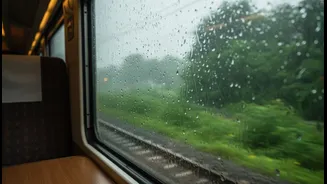
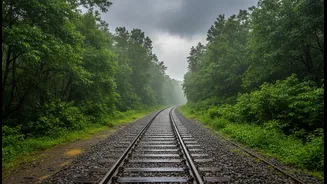
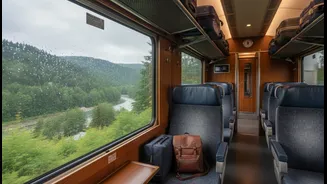
The romance of watching raindrops from a train window often clashes with the harsh reality of operational challenges. Heavy monsoon rains create a domino effect of problems for Indian Railways. The most common issue is waterlogging, where tracks in low-lying
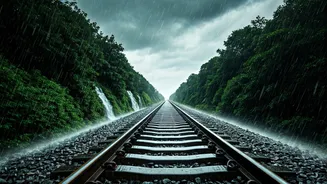
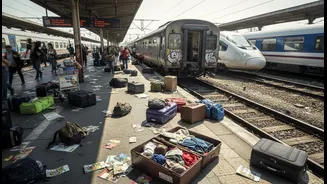
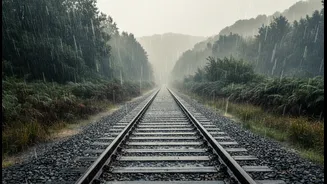
areas get submerged, forcing trains to slow down or stop entirely to prevent accidents. This is a frequent problem in suburban networks like Mumbai's, where services can be delayed by 15-25 minutes or more. Beyond inundated tracks, persistent rain can trigger landslides and mudslides, particularly in hilly or ghat sections, such as the Mumbai-Pune route. Boulders and debris on the tracks can lead to the outright cancellation, diversion, or short-termination of dozens of trains, leaving passengers stranded. Furthermore, heavy downpours and fog reduce visibility for loco pilots, making it necessary to operate trains at slower speeds, which leads to cascading delays across the network.
Your Pre-Travel Intelligence Briefing
Smart planning begins long before you leave for the station. The first step is to become your own travel advisor. Monitor weather forecasts from reliable sources like the India Meteorological Department (IMD), which issues alerts for heavy rainfall. Before your journey, checking the live status of your train is non-negotiable. Indian Railways’ official National Train Enquiry System (NTES) is the most reliable source for this. Available as a website and a mobile app, NTES provides real-time information on train running status, cancellations, diversions, and rescheduled timings directly from the railway's control systems. This data is far more accurate than static timetables, which are often useless during weather disruptions. Getting informed about cancellations or significant delays before you leave home can save you hours of waiting at a crowded, wet station and allow you to make alternative arrangements.
Mastering Real-Time Information on the Go
Once you're on the move, staying updated is crucial. The NTES app is your best friend, offering features like "Spot Your Train" to track its exact location and get revised arrival times. The "Live Station" feature is invaluable if you're already at the station, showing all trains scheduled to arrive or depart, along with their expected platform numbers and current status. Many passengers also turn to social media, particularly official Twitter/X handles of Zonal Railways (like @Central_Railway or @WesternRly) and Divisional Railway Managers (DRM), which often provide quick updates on disruptions and restoration work. During major disruptions, railways may arrange for alternative transport like buses for stranded passengers. Keeping these official channels handy on your phone ensures you receive critical information as it is released, helping you make informed decisions on the fly.
Pack Smart for an Unpredictable Journey
Your packing strategy can make a huge difference in your comfort level during a rainy journey. Assume there will be delays. Carry a fully charged power bank, as finding a working charging point on a train can be a gamble. Pack some non-perishable snacks and a bottle of water, as pantry car services can be disrupted and platform vendors may be unavailable during heavy downpours. To protect your belongings, use waterproof bags or invest in rain covers for your luggage. Small plastic or Ziploc bags are essential for safeguarding electronics like your phone and important documents. Wear footwear with a good grip to navigate slippery, wet platforms safely, and carry a lightweight raincoat or a sturdy umbrella. A few extra precautions can keep you dry, comfortable, and prepared for longer-than-expected travel times.
Developing an Alternative Route Mindset
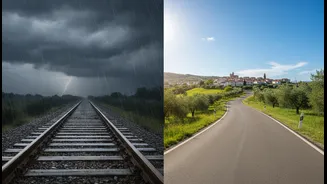
Even with the best planning, sometimes the situation is beyond your control. This is where having a backup plan becomes essential. If you are traveling on a route known for frequent monsoon disruptions, it's wise to have considered alternatives beforehand. Could another train route get you to your destination? Is a government or private bus service a viable option if trains are cancelled indefinitely? For short to medium distances, these alternatives can be a saving grace. On days with red alerts or severe weather warnings, the wisest decision might be to postpone non-essential travel altogether, as authorities often advise citizens to stay indoors. Being mentally prepared to change your plans is part of smart travel. Knowing when to cut your losses and wait for the weather to improve, rather than getting stuck, is the final and most crucial part of navigating the monsoon maze.