






What is Natural Breath Awareness?
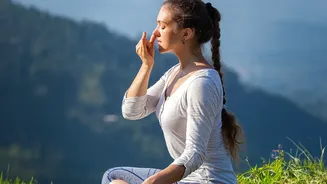
Unlike controlled breathing techniques, or pranayama, which involve deliberately regulating the breath, natural breath awareness is simply about observation. The goal isn't to change your breathing but to notice it exactly as it is. It’s a passive practice
of watching the breath's natural rhythm without judgment or intervention. Is it shallow or deep? Fast or slow? Where do you feel it most—the nostrils, chest, or belly? This gentle observation is the entire practice, making it an accessible starting point for anyone interested in mindfulness.
The Science of Simply Noticing
This simple act of paying attention has profound physiological effects. When you consciously focus on your breath, you can activate your parasympathetic nervous system, also known as the 'rest and digest' system. This counteracts the 'fight or flight' response triggered by stress. Slowing down and observing the breath can stimulate the vagus nerve, which sends calming signals throughout the body, helping to lower heart rate, reduce blood pressure, and decrease levels of the stress hormone cortisol. By turning your attention inward, you signal to your brain and body that you are safe, allowing for a state of relaxation to unfold naturally.
Benefits Beyond Stress Relief
While stress reduction is a primary benefit, the positive effects of breath awareness extend further. Regular practice can lead to improved mental focus and clarity. By anchoring your attention to the breath, you train your mind to wander less, enhancing your ability to concentrate on tasks. This practice also fosters better emotional regulation; by observing your breath during challenging moments, you create a small space between a trigger and your reaction, allowing for a more measured response. Over time, this can lead to a greater sense of presence, improved mood, and even better sleep quality.
A Simple Exercise to Get Started
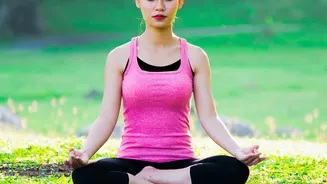
You don't need any special equipment or a lot of time to begin. Find a comfortable position, either sitting in a chair with your feet on the floor or lying down. You can close your eyes or keep them open with a soft, unfocused gaze. Start by simply bringing your attention to the sensation of your breath. Follow the air as it enters your body and as it leaves. Notice the coolness of the inhale and the warmth of the exhale. Don't try to change anything. Your only job is to notice. When your mind wanders—which it will—gently acknowledge the distraction without criticism and kindly guide your attention back to your breath. Start with just two to five minutes a day.
Integrating Awareness into Your Day
The beauty of breath awareness is that it can be practiced anywhere. You don't need a quiet meditation room. Try to integrate small moments of awareness into your daily routine. Take a moment to notice one or two natural breaths while waiting for your morning chai to brew, before answering a stressful email, or as you walk from one room to another. These 'breathing spaces' interrupt our tendency to be on autopilot and can help reset the nervous system throughout the day. By linking the practice to existing habits, it becomes a sustainable tool for well-being rather than another task on your to-do list.