


Nature's Unseen Gardeners
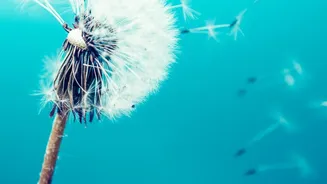
Every forest, prairie, and jungle is the result of a silent, ongoing process: seed dispersal. This is the movement of seeds away from their parent plant, a crucial step for survival. It allows plants to colonize new areas, avoid competition for resources
like sunlight and water, and maintain genetic diversity. This fundamental ecological service is often performed by animals, a process known as zoochory. When a fruit-eating, or frugivorous, animal consumes a fruit, it digests the pulp and later deposits the seed elsewhere, often wrapped in its own natural fertilizer. This intricate partnership benefits both the plant, which gets its offspring a head start in a new location, and the animal, which receives a nutritious meal. Roughly half of all plant species, including up to 90% of trees in tropical rainforests, depend on animals for this service.
A Limited View of a Big World
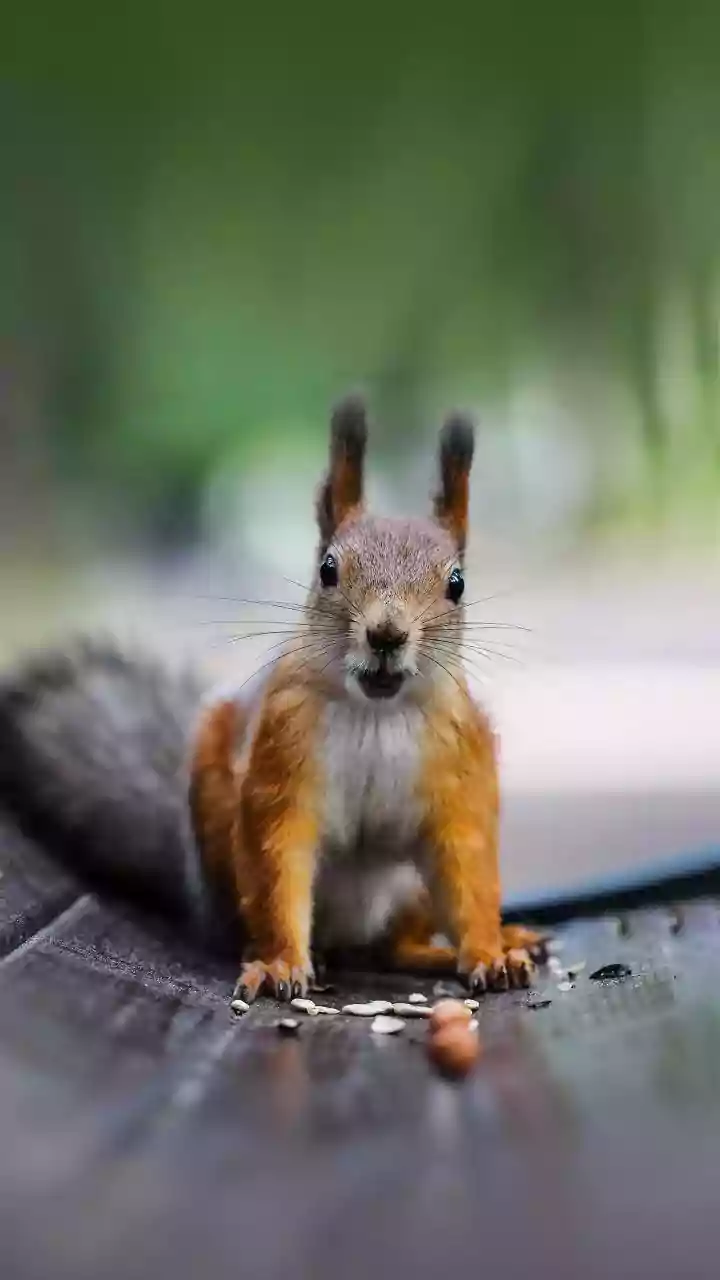
For a long time, our understanding of seed dispersal has focused on the usual suspects: birds, squirrels, monkeys, and other well-known fruit-eaters. This created a perception of specialized relationships where a few key animal species were responsible for the bulk of the work. While these animals are undeniably important, this view left a significant gap in our knowledge. Ecologists suspected the network of seed dispersers was much broader and more complex, but a comprehensive picture was missing. The decline of animal populations worldwide, a phenomenon sometimes called defaunation, added urgency to this question. If we only focus on the primary actors, we risk missing the contributions of a huge supporting cast and underestimating the true impact of biodiversity loss.
The 186-Species Revelation
To fill this knowledge gap, researchers embarked on one of the most comprehensive investigations into seed dispersal to date, synthesizing data from hundreds of individual studies. While the headline refers to 186 species, the full scope of modern research encompasses data from thousands of species interactions across the globe. These large-scale analyses combine direct observations, animal movement tracking, and even DNA analysis of seeds to determine which animal dispersed them and how far. The goal was to move beyond simply noting which animals eat which fruits and to understand the functional outcome: Who is actually moving seeds, where are they taking them, and how does this affect the ecosystem? The findings have been eye-opening, revealing a much wider and more interconnected web of life than previously appreciated.
The Surprising Supporting Cast
The research confirms that the cast of seed-dispersing characters is far larger and more varied than commonly known. Beyond birds and primates, a host of other animals play vital roles. In Brazil, fish like the pacu and tambaqui consume fallen fruit during flood seasons, carrying seeds far upstream and into different parts of the wetland ecosystem. Even carnivorous cougars in Argentina have been found to disperse seeds, not by eating fruit themselves, but by consuming prey like doves that have seeds in their digestive tracts. Elephants are recognized as 'ultimate gardeners', with their dung containing the seeds of dozens of tree species, which they spread over vast distances. Reptiles like tortoises, and even invertebrates like ants and earthworms, have been documented as crucial seed movers in specific ecosystems. This diversity shows that the job of planting a forest is a shared responsibility across the animal kingdom.
Why a Diverse Cast Matters
This wider cast of characters is not just a fascinating piece of trivia; it is critical for ecosystem resilience. Different animals disperse seeds in different ways. Some, like woolly spider monkeys, might disperse a high quantity of seeds, while others, like tapirs, disperse fewer but larger seeds to different types of locations. This creates a complementary system where different roles are filled. A diverse group of dispersers ensures that even if one species declines, others can potentially pick up the slack. However, recent studies have shown that the loss of animals has already reduced the ability of plants to keep pace with climate change by 60 percent. The disappearance of large animals is especially concerning, as they are often the only ones capable of swallowing and dispersing large seeds over long distances, which is essential for gene flow and helping plants 'migrate' to more suitable climates. Protecting this full suite of animal dispersers is therefore a critical climate solution.