





Embrace the Warmth of Soups
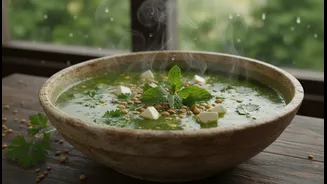
A bowl of hot soup is a classic way to stay warm during the cool, damp days of monsoon. They are not only comforting but also a fantastic way to pack in nutrients. Opt for freshly cooked soups made from seasonal vegetables like tomatoes, carrots, or bottle
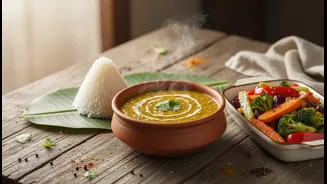
gourd. A tomato and lentil soup provides a protein boost while being easy to digest. For an immunity-supporting meal, a ginger-garlic vegetable soup is an excellent choice. According to Ayurveda, warm, freshly cooked, and light meals are ideal for the rainy season as they are gentler on the digestive system. Adding spices like ginger, garlic, turmeric, and black pepper can help support digestion and add a layer of flavour and warmth.
Steam, Don't Just Fry
While the heart yearns for crispy pakoras, our bodies will thank us for choosing healthier cooking methods. Steaming is a fantastic alternative that retains nutrients and flavour without the extra oil. Gujarat's beloved dhokla, made from fermented gram flour, is a protein-rich and light snack perfect for the season. You can also try making steamed moong dal vadas or patra. Even classic pakoras can be made healthier by using an air fryer or baking them in the oven, which significantly reduces the oil content. These methods give you that satisfying crunch without the heaviness of deep-fried food.
The Ultimate Comfort: Khichdi
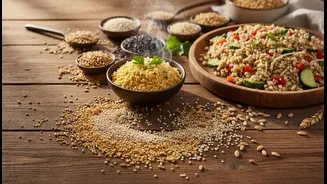
Khichdi is arguably the most celebrated monsoon comfort food in India, and for good reason. This one-pot dish of rice and lentils is light on the stomach, easy to digest, and incredibly versatile. According to Ayurvedic principles, simple and warm foods like khichdi are ideal for the monsoon, a time when digestive fire (Agni) is considered weaker. You can enhance its nutritional value by adding a variety of vegetables and digestive spices like cumin, turmeric, and a dollop of ghee. It’s a complete meal that provides warmth, nourishment, and a sense of deep-seated comfort.
Sip on Immunity-Boosting Brews
The monsoon is the perfect time to explore warm beverages that go beyond the standard masala chai. Herbal teas and traditional preparations like kadha can be both soothing and beneficial for your immunity. A simple tea made with ginger, tulsi, and a dash of black pepper can help protect the respiratory system from common colds. Turmeric milk, or 'haldi doodh', is another age-old remedy known for its anti-inflammatory and immunity-boosting properties. For a non-caffeinated option, a warm drink with lemon, ginger, and honey is a comforting classic that can soothe a sore throat.
Roast and Grill for Healthy Indulgence
You can still enjoy classic monsoon snacks like bhutta (corn on the cob) with a healthy twist. Instead of relying on street vendors, who may use reused oil or contaminated water, roast corn at home over a gas flame. Rub it with lime and a sprinkle of chaat masala for that authentic flavour. You can also use an oven, grill, or air fryer to make roasted sweet potatoes, vegetable skewers, or even roasted makhana (fox nuts). These methods provide a delicious, charred flavour without the need for deep-frying, making your favourite indulgences much healthier.
Prioritise Gut Health with Probiotics
Good health starts in the gut, and the monsoon season can be challenging for our digestive system. Incorporating probiotics into your diet is a great way to maintain healthy gut flora. Homemade curd (yogurt) and buttermilk are excellent sources of good bacteria that aid digestion. Buttermilk is often considered lighter and easier to digest than plain curd during this season. Fermented foods like idli and appam are also beneficial. A healthy gut contributes to a stronger immune system, which is crucial for fending off seasonal infections.