




Why the Monsoon is a Gardener's Best Friend
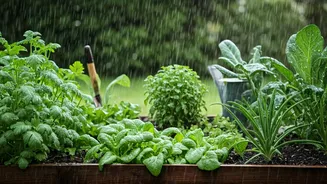
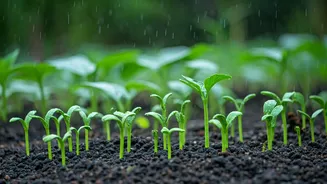
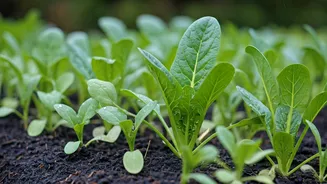
If you've ever thought about starting a garden, the rainy season is nature giving you a head start. The ambient humidity helps seeds germinate and young saplings thrive. The frequent rain means you can worry less about watering, which is often the trickiest
part for new gardeners. Cooler temperatures also reduce the stress on young plants, giving them a strong foundation to grow. The monsoon essentially creates a natural greenhouse effect, making it the most forgiving and rewarding time to dip your toes into the world of gardening.
Find Your Green Space
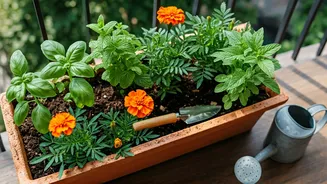
You don’t need a sprawling lawn to start. Most urban gardening happens in much smaller spaces. Look at your home: do you have a balcony that gets a few hours of sunlight? A window sill? A small patch of earth in a shared backyard? Identify your spot first. This will determine the size and number of plants you can manage. For most beginners, a few pots on a balcony are the perfect starting point. It’s manageable, easy to monitor, and provides an instant sense of accomplishment.
Pots, Soil, and All That Good Stuff
Keep it simple. You can start with basic terracotta (mitti) pots or even recycled plastic containers, as long as they have drainage holes at the bottom. Proper drainage is non-negotiable, especially during the monsoon, to prevent waterlogging and root rot. For soil, don't just scoop up any dirt. A beginner-friendly mix is equal parts red soil (lal mitti), cocopeat (for moisture retention), and vermicompost or any organic compost (for nutrients). You can find these at any local nursery, and many will even sell a pre-mixed potting blend.
Easy Monsoon Winners to Plant Now
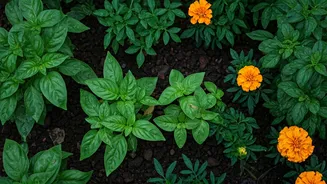
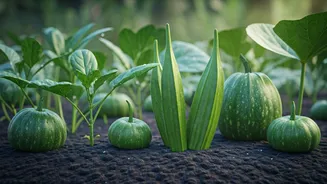
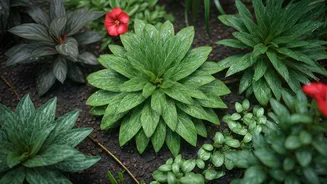
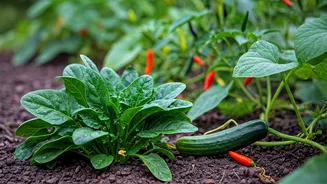
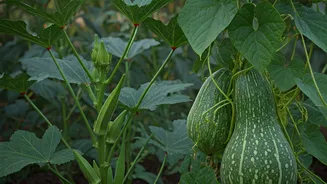
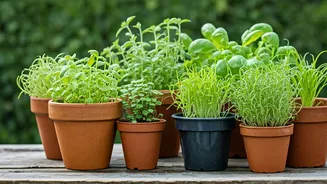
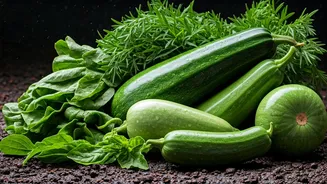
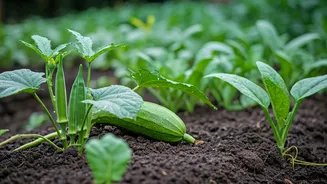
The key is to choose plants that love the Indian monsoon as much as we do. Here are some foolproof options: * **Flowers:** Brighten up your space with Marigolds (Genda), Balsam (Gulmehendi), and Hibiscus. They are hardy, love the rain, and add a beautiful pop of colour. * **Herbs:** Start an easy-to-use herb garden with Tulsi, Mint (Pudina), and Basil. They grow quickly in pots and you get the added bonus of fresh herbs for your chai or chutney. * **Vegetables:** For something you can eat, try growing Lady's Finger (Bhindi), cluster beans (Gawar), or cherry tomatoes. They are relatively low-maintenance and incredibly rewarding to harvest. You can buy seeds or, for an even easier start, pick up small saplings from a local nursery.
Planting and Basic Care
Once you have your pot, soil, and seeds/sapling, it's time for the fun part. Fill your pot with the soil mix, leaving about an inch at the top. If using seeds, sow them about half an inch deep, cover lightly with soil, and sprinkle with water. If using a sapling, make a small well in the centre of the pot, gently place the plant in, and fill the soil around it. Your main job during the monsoon is to ensure your plants aren't getting *too much* water. If your pots are in a spot that gets heavy, direct rainfall, consider moving them to a covered area during downpours. Stick a finger an inch into the soil; if it feels wet, don't water it. Also, check the undersides of leaves every few days for pests. A simple spray of neem oil mixed with water is a great organic way to keep them at bay.