




From Sleek Surfaces to Soulful Textures
For the better part of a decade, the ideal kitchen was a study in minimalism: glossy white cabinets, sleek quartz countertops, and a distinct lack of clutter. But a significant shift is underway. Today, kitchens are becoming warmer, more textural, and deeply
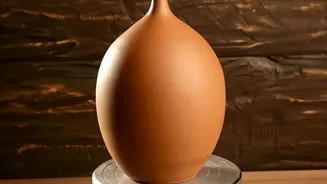
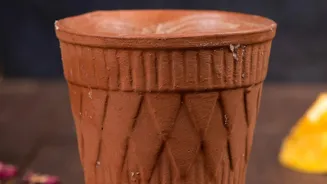
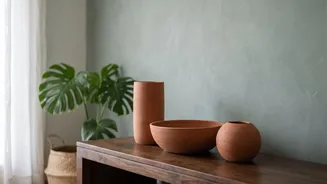
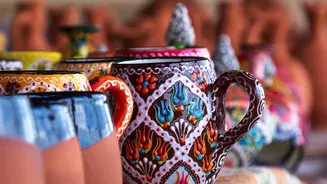
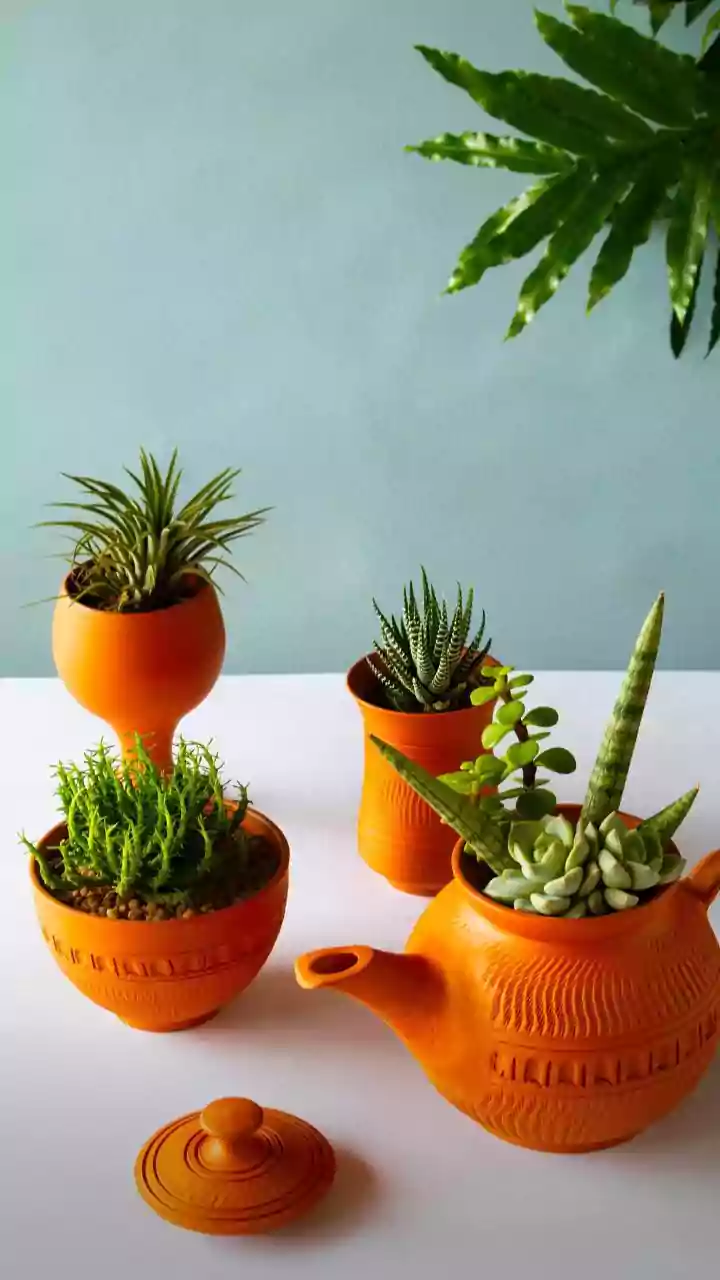
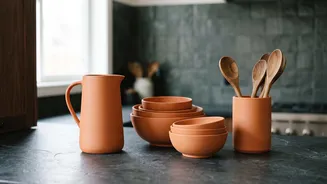
personal. At the forefront of this movement is the embrace of handcrafted clay and pottery. Think terracotta utensil holders, handmade zellige tile backsplashes, artisanal dinnerware, and unglazed pots housing fresh herbs. This trend swaps cold, clinical perfection for the organic and the authentic, creating spaces that feel lived-in and welcoming. Colors are shifting from stark white to a palette inspired by nature: terracotta, rust, olive green, and warm mushroom browns are now seen on everything from cabinets to floors. The emphasis is on materials that show the mark of the human hand, celebrating slight imperfections as signs of character rather than flaws.
A Rebellion Against Mass Production
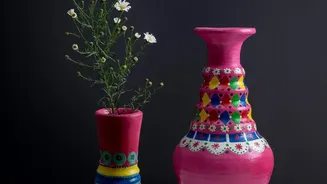
So, what’s driving this earthy renaissance? For Gen Z, it’s a quiet rebellion against the culture of mass-produced uniformity. This generation, highly individualistic and valuing self-expression, is looking for decor that reflects their personality and lifestyle. They are moving away from cookie-cutter items that can be found in any home and are instead seeking out unique, one-of-a-kind pieces that tell a story. Handcrafted pottery, with its subtle variations in shape, glaze, and texture, offers exactly that. Each piece carries the imprint of its maker, transforming a simple kitchen accessory into a small work of art. This desire for authenticity is about creating a home that feels real and has a soul. It’s a move towards what some call “imperfect” design, where signs of life and age are not just accepted but celebrated, making a space feel more relaxed and inviting.
Sustainability as a Core Value
Environmental consciousness is a defining characteristic of Gen Z, and their consumer habits reflect it. The turn towards handcrafted pottery is deeply connected to a desire for more sustainable living. Many artisans use local, natural materials and traditional, low-impact production methods, offering an eco-friendly alternative to factory-made goods that often come with a heavier carbon footprint. This generation is increasingly interested in ethical practices, transparent sourcing, and reducing waste. By choosing to invest in durable, timeless pieces from local potters or small businesses, they are supporting a circular economy and pushing back against the “fast furniture” trend. While affordability remains a factor for many young consumers, the willingness to prioritize and invest in sustainable, ethically made products is a growing movement.
The Tangible Allure in a Digital World
Ironically, a trend focused on the ancient and handmade is being amplified by the digital world's most modern platforms. Social media sites like TikTok, Instagram, and Pinterest are where Gen Z discovers and shares design inspiration, and the visual appeal of earthy, textured kitchens is undeniable. The matte finish of a clay pot, the irregular surface of a zellige tile, and the warm tones of terracotta create a rich, layered look that is highly photogenic. These platforms have fueled the rise of aesthetics like “cottagecore” and “dopamine decor,” which celebrate cozy, joyful, and personalized spaces. In an increasingly digital and screen-focused life, there is also a growing desire for tactile experiences. The feel of a hand-thrown mug or the rough texture of a plaster wall provides a grounding, sensory connection to the physical world that sleek, uniform surfaces cannot.