


The Allure of the Checklist
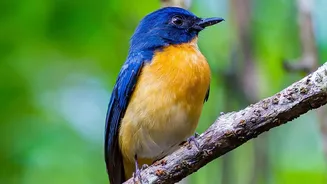
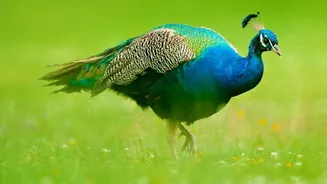
It’s easy to get excited. With over 240 bird species, including dozens found nowhere else on Earth like the Andaman Woodpecker, Andaman Crake, and Andaman Serpent Eagle, the islands are a biodiversity hotspot. Birding hotspots like Chidiya Tapu—literally
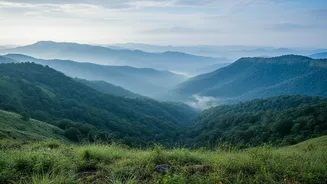
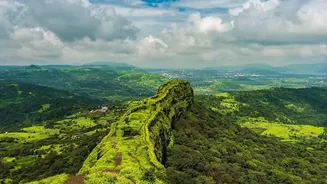
'Bird Island'—and Mount Harriet National Park offer trails through lush forests and mangroves teeming with life. Many visitors arrive with a prepared list of these endemic treasures, hoping to tick off as many as possible. However, the dense tropical rainforests of South Andaman are not like an open park. Birds here are often shy, elusive, and hidden within a thick canopy or dense undergrowth. Simply knowing what exists is worlds away from actually finding it.
Why the Guide is Everything
This is where a quality guide becomes the most critical component of your trip. In the context of a challenging environment like the recently highlighted Rainforest Birding Trail, a guide is more than just a navigator. They are your interpreter for the forest's subtle language. A good local guide knows the distinct calls, even the faint ones that signal a rare bird nearby. They understand the micro-habitats, knowing which fruiting trees attract certain pigeons or which streams are favoured by kingfishers. They know the roosting sites for nocturnal species like the Andaman Scops Owl or Hume's Boobook, turning a silent night walk into a magical encounter. Their expertise transforms a potentially frustrating scavenger hunt into an immersive, educational, and far more rewarding experience.
Defining a Quality Guide
So, what separates a great guide from a mere escort? First is profound local knowledge. The best guides are often born and raised in the Andamans, possessing an innate understanding of the ecosystem that can't be learned from books. Second is a commitment to ethical birding. A responsible guide prioritises the well-being of the birds. They will not excessively use call playback, will never disturb nesting sites, and will maintain a respectful distance to avoid stressing the wildlife. They educate their clients on ethical practices, ensuring the fragile ecosystem remains pristine. Finally, look for patience and good communication. A great guide manages expectations, shares knowledge generously, and is attuned to the pace and interests of their group, ensuring everyone has an enjoyable experience.
Questions to Vet Your Guide
Before you book, don't be afraid to ask specific questions that reveal a guide's philosophy and expertise. Start with these: "What is your approach to using playback for bird calls?" A good guide will explain that they use it sparingly, if at all, to avoid stressing birds or habituating them. "How do you ensure our birding is ethical and low-impact?" Their answer should reflect a respect for wildlife and habitat, mentioning staying on trails and keeping a safe distance from nests. "Can you tell me about a recent challenging sighting and how you managed it?" This reveals their fieldcraft, patience, and problem-solving skills. "Do you guarantee sightings of specific rare birds?" A major red flag is any guide who guarantees you will see a highly elusive species. A professional guide will talk about likelihood and effort, not certainties.
The Trail Teaches a Lesson
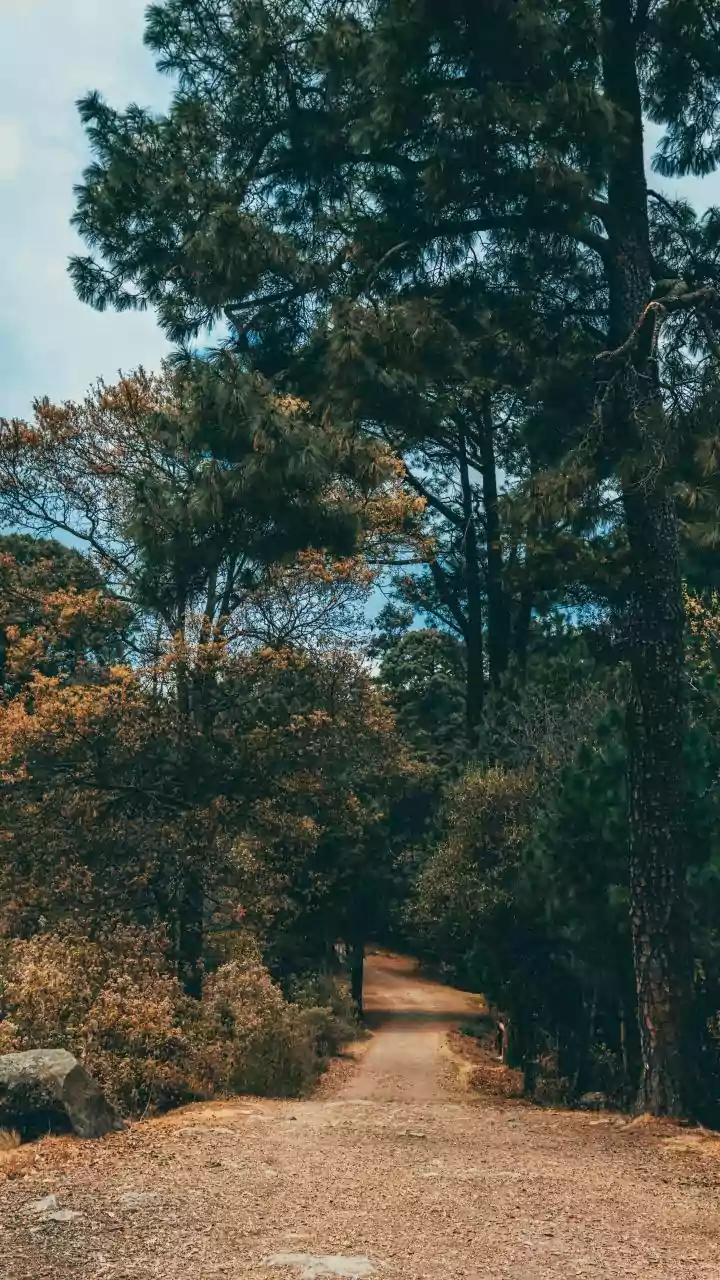
The experience on trails like the one in Kalatang is a perfect example of why this matters. It's a guided walk through a dense, biodiverse rainforest. Without a guide, the average visitor would see a wall of green and hear a cacophony of sounds. With a skilled guide, that wall transforms into a living library. The sounds are identified as the calls of the Andaman Drongo or the Andaman Cuckoo-dove. A flicker of movement in the canopy becomes an Andaman Woodpecker, and a rustle in the undergrowth might, with luck and expertise, reveal the notoriously shy Andaman Crake. The guide provides the context that brings the entire ecosystem to life.