



Go Classic with Hanging Baskets
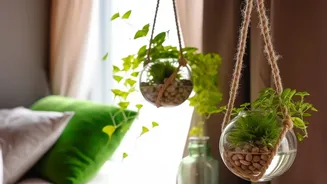
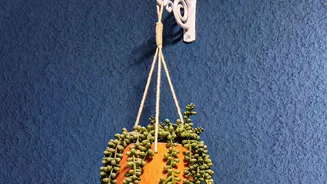
The most straightforward way to get plants off the floor is with hanging baskets. This timeless method is not only cost-effective but also perfect for trailing plants that create a graceful, cascading effect. Vining plants like Golden Pothos, Spider Plants,
and Philodendrons are excellent choices as they are generally low-maintenance and thrive in hanging conditions. You can find simple hangers at most garden centres, or even create your own using basic macrame cord or rope for a personalised touch that costs next to nothing. Hang them in corners, near windows, or at varying heights to create a dynamic, layered look that draws the eye upward.
Install Floating or Tiered Shelves
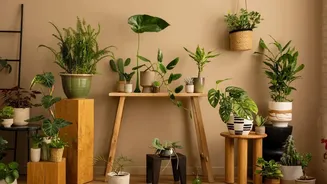
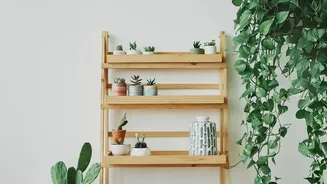
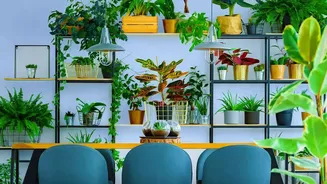
Shelving is one of the most versatile tools for vertical gardening. A few simple floating shelves installed on a blank wall can become a stunning botanical display. You can arrange a collection of small-to-medium-sized plants, mixing different pot styles and plant textures for visual interest. Tiered plant stands, which are often designed to fit neatly into corners, can also hold multiple plants while occupying a minimal footprint. To keep costs low, look for secondhand shelving units or use affordable brackets and stained wooden planks from a hardware store. For a cohesive look, group plants with similar light and water needs together.
Get Creative with a Repurposed Ladder
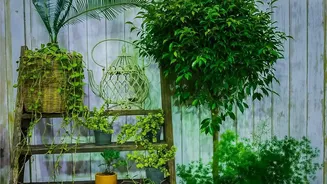
An old wooden ladder can be transformed into a charming, rustic plant stand that offers multiple levels for display. Simply lean it against a wall and place pots on the steps. Smaller pots can go on the higher, narrower steps, while larger ones can sit on the lower, wider ones. This method adds character and works especially well for a collection of different plants, allowing each one to get adequate light. You can often find old ladders at flea markets or second-hand stores for a bargain. A light sanding or a fresh coat of paint can easily revitalise it to match your room’s decor.
Try DIY Macrame Hangers
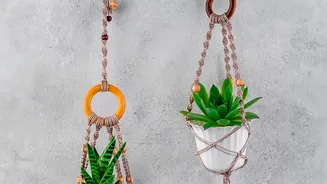
Macrame has made a huge comeback, and for good reason. It's a beautiful, bohemian way to display plants, and creating your own hangers is an easy and very affordable DIY project. All you need is some macrame cord, which is widely available online and in craft stores, and a few basic knots to create a sturdy and stylish holder for your pots. There are countless free tutorials available online for all skill levels. This allows you to customise the length and design to perfectly fit your space and pot size, making it a truly bespoke solution for just a few rupees.
Mount Planters Directly to the Wall
For a clean, modern look, consider wall-mounted planters. These come in a variety of shapes and materials, from ceramic to metal, and can be arranged in a grid or a more organic pattern to create a living wall effect. While some systems can be pricey, you can find affordable individual wall pots or even repurpose items like durable fabric shoe organizers as planters. This approach works well for smaller plants like succulents, air plants, or herbs. It turns a plain wall into a focal point and a living piece of art without taking up any floor space.
Use a Tension Rod in a Window
If you're renting or want a non-permanent solution, a simple spring-tension rod can be a game-changer. Commonly used for shower curtains, a tension rod can be installed inside a window frame or a small alcove. From there, you can use S-hooks to hang lightweight plants in small pots. This is an ideal spot for sun-loving plants and herbs, placing them right where they can get the light they need. It's an incredibly low-cost, damage-free way to create an instant hanging garden in an otherwise unused space.