







The Economics of 'Less is More'
For many young professionals striking out on their own in cities like Bengaluru, Mumbai, and Delhi, the first taste of freedom comes with a hefty price tag: rent. With a significant portion of their income dedicated to housing, the budget for furnishing
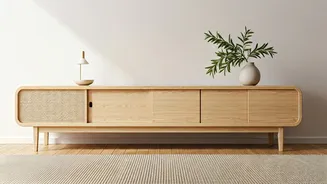
is often tight. This economic reality is a primary driver behind the minimalist wave. Ornate, heavy wood furniture is not only expensive but feels like an outdated commitment. In contrast, minimalist pieces—often made from lighter woods, metal, and engineered materials—are significantly more affordable. Brands have quickly adapted, offering sleek, budget-friendly options that cater directly to this demographic, proving that good taste doesn't have to break the bank.
Small Spaces, Smart Solutions
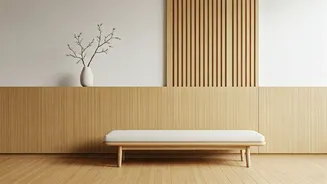
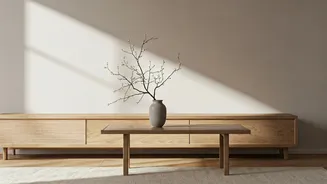
The era of sprawling family homes is giving way to the reality of compact urban living. The modern studio apartment or 1BHK is a marvel of spatial efficiency, and the furniture must follow suit. Minimalism isn't just an aesthetic choice; it's a practical necessity. Bulky furniture can make a small room feel claustrophobic. Clean lines, negative space, and a neutral colour palette create an illusion of spaciousness. Furthermore, the ethos of minimalism has spurred innovation in multi-functional furniture. A coffee table that doubles as storage, a sofa that unfolds into a bed, or a dining table that can be folded against a wall are no longer novelties but essentials. These pieces work harder, allowing residents to maximise every square foot without sacrificing style or function.
The Instagram and Pinterest Effect
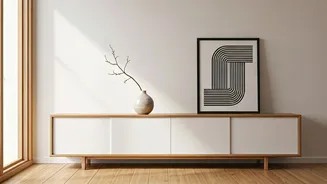
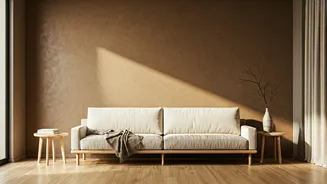
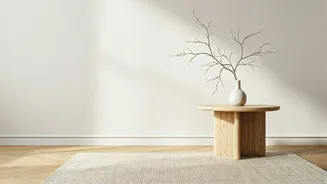
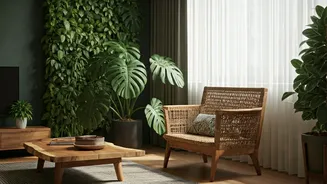
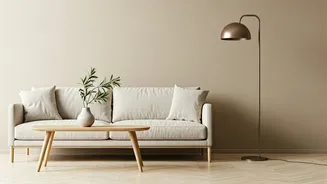
Aesthetic inspiration is now just a scroll away. Platforms like Instagram and Pinterest have become global mood boards, and the clean, curated look of Scandinavian (Scandi) and Japanese-inspired (Japandi) design has captivated a generation. Young Indians are exposed to global trends in real-time, and they are quick to adopt and adapt them. The visual appeal is undeniable: sun-drenched rooms with a single fiddle-leaf fig, a sleek sofa, and artfully arranged books speak of a calm, controlled, and sophisticated life. This digital influence has created a shared visual language, where a minimalist home becomes a reflection of a modern, globally-aware identity. It's a look that is aspirational yet achievable, photogenic, and perfectly suited to sharing online.
A Shift in Mindset
Beyond economics and aesthetics, the move towards minimalism reflects a deeper philosophical shift. After decades of burgeoning consumerism, many young adults are consciously choosing to own less. This isn't about deprivation, but intentionality. It’s a rejection of clutter, both physical and mental. In a world of constant noise and stimulation, a simple, uncluttered home becomes a sanctuary. This mindset also aligns with growing concerns about sustainability. By buying fewer, more durable, or even second-hand items, this generation is making a quiet statement against throwaway culture. They are prioritising experiences over possessions, and their living spaces reflect this, furnished not just with things, but with purpose and a sense of calm.
How Retail is Responding
The Indian market has been quick to cater to this rising demand. The arrival of global giants like IKEA, with their focus on flat-pack, small-space solutions, has been a game-changer. But the real story is the explosion of homegrown, direct-to-consumer (D2C) brands. These online furniture stores understand their audience intimately. They offer curated collections of minimalist, well-designed furniture at accessible price points, delivered directly to the doorstep. They speak the language of their customers, using social media to showcase their products in real-world apartment settings. This new retail landscape has made it easier than ever for young adults to bypass traditional furniture showrooms and furnish their first homes in a style that truly feels their own.