








What the Latest Research Reveals
Recent headlines are driven by a large study that brings a new level of detail to the dangers of a sedentary lifestyle. Research published in early July 2026 involving over 90,000 people tracked for more than a decade found a stark connection between
prolonged, uninterrupted sitting and health risks. The study showed that sitting for more than 30 minutes at a time was associated with a higher risk of dying from cancer. For each additional hour of uninterrupted sedentary behaviour, the risk of cancer-related death increased by about 10%. This research zeroes in on a crucial distinction: it’s not just the total hours spent sitting, but the long, unbroken spells of inactivity that appear to be particularly harmful. The findings suggest that the pattern of our inactivity is a health metric we can no longer afford to ignore.
Why Your Workout Isn't a Free Pass
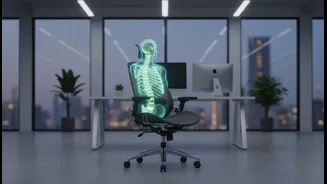
One of the most surprising takeaways from the growing body of research is that a daily workout doesn't fully erase the damage done by sitting all day. This has led to the concept of the "active couch potato"—someone who diligently exercises for an hour but remains sedentary for the other 23 hours of the day. The problem lies in what happens to our bodies during long periods of inactivity. When we sit for extended stretches, our metabolism slows down, blood circulation is reduced, and our bodies become less sensitive to insulin. Research suggests these effects contribute to an increased risk of chronic conditions like heart disease, type 2 diabetes, and certain cancers, independent of our exercise habits. The new study reinforces this, showing that breaking up sedentary time provides benefits that are distinct from those gained during a formal workout session.
The Power of 'Activity Snacks'
The good news from the latest study is that the solution isn't necessarily more intense exercise, but more frequent movement. Researchers found that replacing just one hour of prolonged sitting with light physical activity—like household chores or slow walking—was associated with a 12% lower risk of cancer death. Even better, replacing just five minutes of sitting with vigorous activity was linked to a 22% lower risk. This has given rise to the idea of "activity snacks": short, simple bursts of movement sprinkled throughout the day. Getting up from your desk every 30 minutes for a few minutes can make a significant difference. These small actions help improve metabolic responses and keep the negative effects of sitting at bay.
Simple Ways to Break Up Your Day
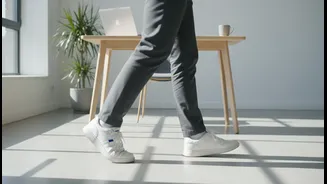
Integrating more movement into your routine doesn't require a complete life overhaul. The key is to find simple, sustainable ways to sit less and move more. If you work at a desk, set a timer to remind yourself to stand up, stretch, or walk around every half hour. Whenever you take a phone call, make it a rule to stand up or pace around the room. If you have a meeting, suggest a walking meeting instead of gathering in a conference room. At home, use commercial breaks during your favourite TV show as a cue to get up and stretch or do a quick chore. Even small adjustments, like choosing the stairs over the lift or placing your water bottle further away to force you to get up, can add up. The goal is to make frequent, light movement an automatic part of your daily rhythm.