




The Green Solution for City Dwellers
Bringing plants indoors does more than just beautify a space; it enhances well-being. Studies have shown that indoor plants can improve air quality, reduce stress, and even boost productivity. For those in apartments or homes with north-facing windows
or shaded corners, the challenge is finding greenery that can survive without abundant sunshine. This is where low-light tolerant plants shine. They are genetically adapted to thrive in conditions that would cause other plants to wither, making them a beginner's best friend. Their resilience takes the guesswork out of plant parenthood, offering all the rewards with minimal anxiety.
Snake Plant: The Indestructible Classic
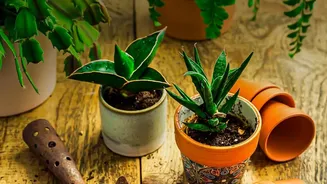
If you're looking for a plant that is virtually indestructible, the Snake Plant (Dracaena trifasciata) is your top pick. Famous for its adaptability, it tolerates low light and infrequent watering, making it ideal for frequent travellers or forgetful gardeners. Its stiff, upright leaves provide a strong architectural element, adding a touch of modern elegance to any room. Available in various forms, from the classic yellow-edged 'Laurentii' to the compact 'Bird's Nest', it works equally well as a floor plant or on a low shelf, adding vertical interest without taking up much space.
ZZ Plant: The Stylish Survivor
The ZZ Plant (Zamioculcas zamiifolia) is another champion of neglect. With its wide, glossy, dark green leaves, it adds a touch of lush, tropical flair to dim corners. The ZZ plant is exceptionally drought-tolerant because it stores water in its underground rhizomes, meaning it can go for weeks without a drink. While it can survive in very low light, providing it with bright, indirect light will encourage faster growth. Its resilience and polished look make it a favourite for offices and homes where style and low maintenance are equally important.
Pothos: The Versatile Vine
Known to many in India as the Money Plant, Pothos (Epipremnum aureum) is a fast-growing vine that is incredibly forgiving. It thrives in a range of light conditions, from bright and indirect to lower light levels. Its trailing, heart-shaped leaves make it perfect for hanging baskets, draping over bookshelves, or climbing up a small trellis. If its vines get too long or 'leggy', it's a simple fix—just trim them back to encourage a fuller appearance. This adaptability makes Pothos one of the easiest ways to add a dynamic, cascading green element to your decor.
Spider Plant: The Prolific Purifier
The Spider Plant (Chlorophytum comosum) is a classic for good reason. It’s incredibly easy to grow and is renowned for its air-purifying qualities, famously included in NASA's Clean Air Study for its ability to filter common household toxins. It prefers bright, indirect light but adapts well to lower light situations. The most charming feature of a happy spider plant is the production of 'spiderettes'—tiny baby plants that dangle from the mother plant like spiders on a web. These can be easily snipped off and planted to create new plants, making it a gift that keeps on giving.
Styling Your Low-Light Oasis
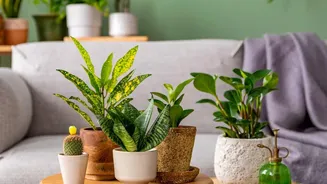
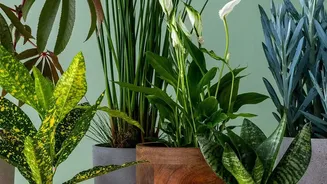
Decorating with these hardy plants is all about enhancing your existing space. Use the vertical height of a Snake Plant to draw the eye upward in a small room. Let the trailing vines of a Pothos soften the hard edges of a bookshelf or cabinet. Group smaller plants of varying textures on a side table to create a mini-garden vignette. Don’t be afraid to mix and match pots and planters to complement your decor, whether it’s rustic terracotta or sleek ceramic. The key is to start small; even one or two well-placed plants can transform a room, making it feel more alive and welcoming.