


More Than Just a Side Dish
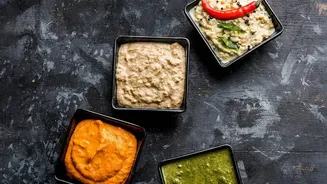
For generations, chutneys have been the unsung heroes of the Indian table, capable of rescuing a bland meal or elevating a simple snack. These flavour-packed condiments are far more than just the sweet mango version known globally. They represent an entire
universe of taste and texture — from the fiery garlic 'thecha' of Maharashtra and the pungent mustard 'kasundi' of Bengal to the fresh coconut chutneys of the South. They are edible maps of India, each recipe telling a story of a region's climate, produce, and culinary identity. This diversity is a major part of their renewed appeal, offering a near-endless palette for the adventurous home cook.
The Preservative-Free Promise
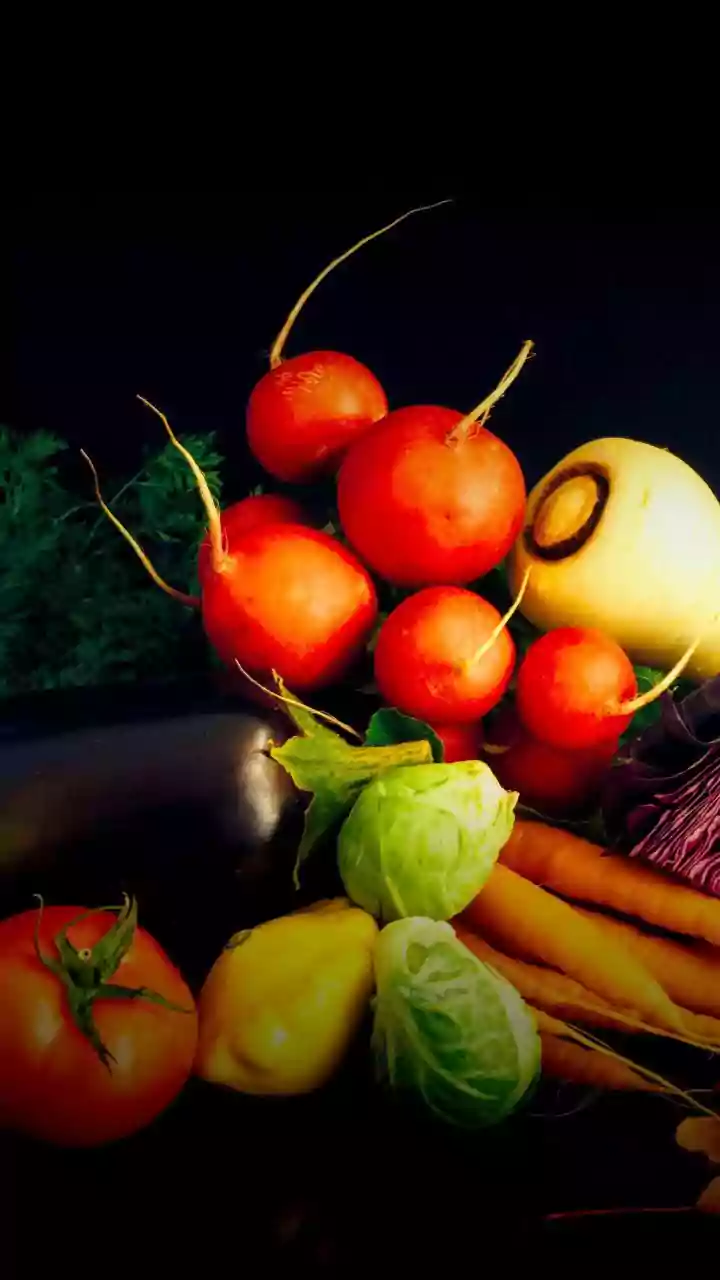
One of the biggest drivers of this trend is a growing awareness around health and wellness. Young consumers are increasingly scrutinizing labels and questioning the artificial preservatives, high sugar content, and excess sodium found in many mass-produced sauces. Homemade and traditionally prepared chutneys offer a clean, transparent alternative. Made with fresh herbs, spices, fruits, and vegetables, they deliver flavour without chemical additives. This 'clean label' appeal is powerful for a generation that prioritizes whole foods and natural ingredients, making chutney a simple way to control what goes into their bodies.
A Shortcut to Complex Flavour
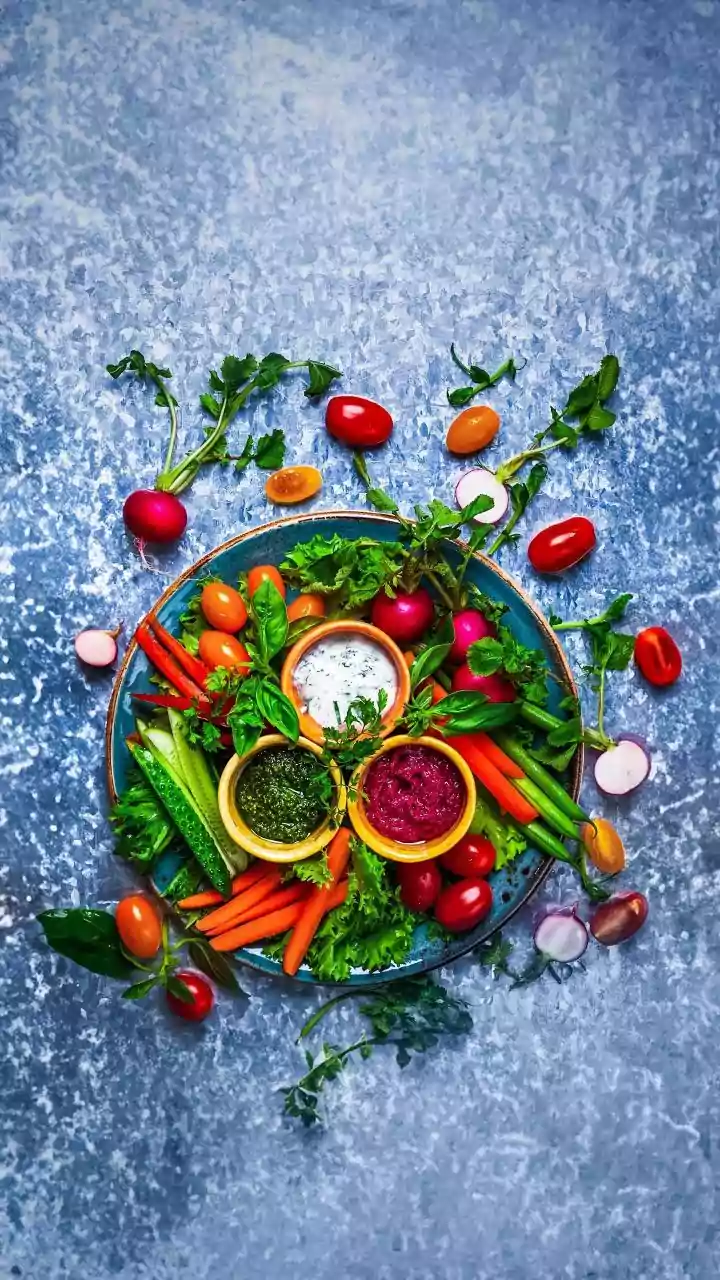
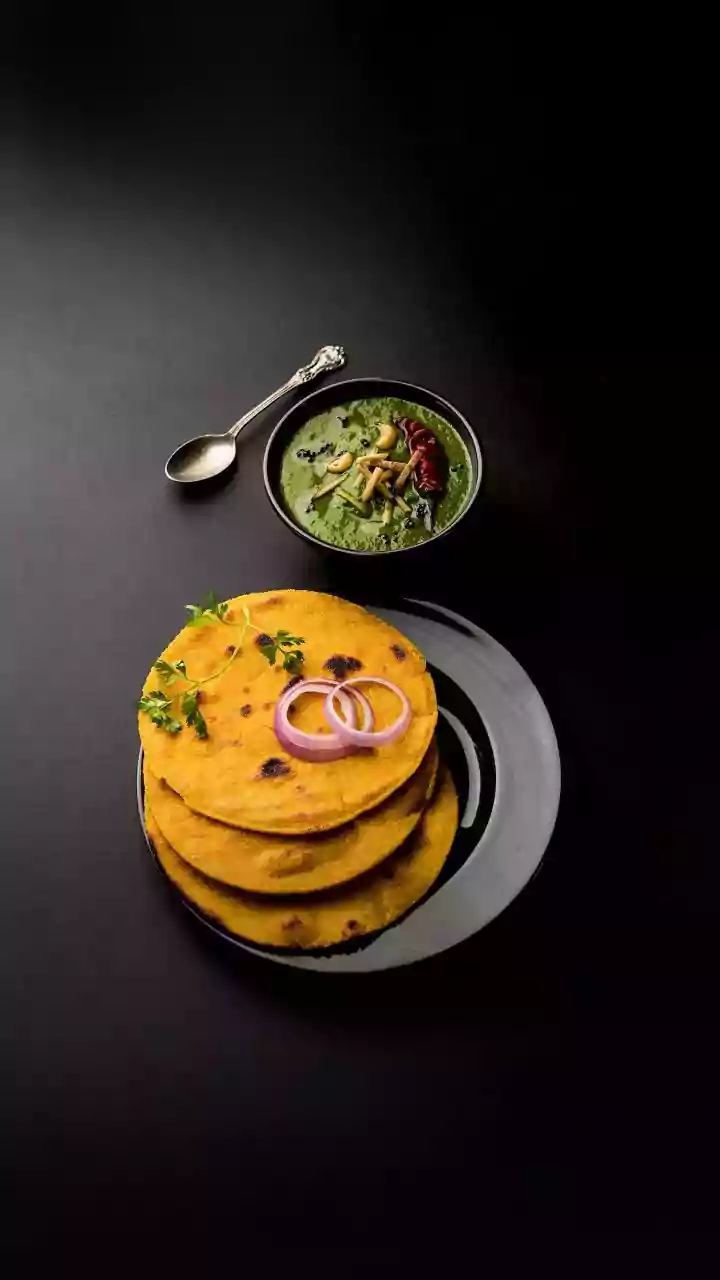
In today's time-crunched world, convenience is king. While many traditional recipes can be complex, chutneys function as a brilliant culinary shortcut. A well-made chutney, prepared over the weekend, can be the secret weapon for fast weeknight meals. It can transform a simple bowl of dal and rice, act as a vibrant sandwich spread, serve as a marinade for grilled meats, or become an instant dip for snacks. This ability to deliver a complex, layered taste profile — a balance of sweet, sour, spicy, and tangy — with just a spoonful is invaluable for busy professionals and young parents trying to put a flavourful meal on the table without spending hours in the kitchen.
Connecting With Culinary Roots
The return to traditional foods is also deeply connected to a desire for authenticity and a connection to heritage. For many young Indians, who may live in cities far from their ancestral homes, food is a powerful link to family and memory. Preparing a grandparent's chutney recipe or seeking out a regional specialty is a way to reclaim and celebrate their cultural identity. In an era of globalised food trends, the distinct, unapologetic flavours of a traditional chutney offer a taste of something real and rooted. It's a reaction against homogeneity and a celebration of the specific culinary traditions that make up India's rich food tapestry.
The Modern Indian Pantry
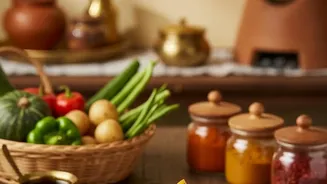
Interestingly, this revival isn't about rejecting global flavours. Instead, young home cooks are curating a more diverse and versatile pantry where a homemade pudina chutney sits comfortably next to a bottle of gochujang or harissa. It reflects a confident, modern Indian culinary identity that draws from the best of all worlds. Traditional chutneys are no longer seen as merely 'old-fashioned' but as artisanal, sustainable, and incredibly versatile ingredients. They are being rediscovered not just as accompaniments, but as foundational elements that can inspire creativity in kitchens across the country.