





So, What Is Fungal Acne?
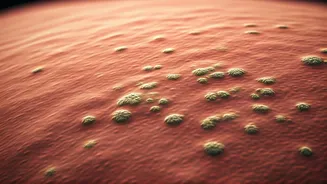
First, a reality check: fungal acne isn't actually acne. The term is a popular nickname for Malassezia folliculitis (or Pityrosporum folliculitis). Unlike traditional acne, which is caused by bacteria clogging pores, this condition is a fungal infection
of the hair follicles. It’s caused by an overgrowth of a yeast called Malassezia, a fungus that naturally lives on everyone's skin. When this yeast gets out of balance—due to factors like sweat, humidity, or certain medications—it can invade the hair follicles, leading to inflammation and those pesky bumps.
Spot the Difference: Fungal vs. Bacterial Acne
Distinguishing fungal acne from its bacterial cousin, acne vulgaris, is the first step to effective treatment. The biggest tell-tale sign is the itch factor; fungal acne is often intensely itchy, while regular acne typically is not. The appearance is also a major clue. Fungal acne usually appears as small, uniform, red bumps (around 1-2mm) that pop up in clusters, often on the forehead, chest, back, and shoulders. In contrast, bacterial acne presents with a variety of lesions, including blackheads, whiteheads, and painful cysts of different sizes. If all your bumps look the same and are driving you crazy with itchiness, you could be dealing with a fungal issue.
Common Triggers and Causes
Malassezia yeast thrives in warm, moist environments. This means that several everyday factors can trigger an overgrowth. Excessive sweating, whether from a hot, humid climate or an intense gym session, is a primary culprit. Wearing tight, non-breathable clothing can trap heat and moisture, creating the perfect breeding ground for yeast. Other triggers include taking certain antibiotics, which can disrupt the skin's natural balance of bacteria and allow yeast to flourish, or having a compromised immune system. Even your skincare routine could be to blame. Heavy, oily products can occlude follicles and provide a food source for the yeast.
How to Banish the Bumps
Since fungal acne isn't caused by bacteria, your go-to acne fighters like benzoyl peroxide likely won't work and may even make things worse. Instead, the key is using antifungal treatments. An easy starting point is an over-the-counter antifungal wash. Many people find success using anti-dandruff shampoos containing ingredients like ketoconazole or selenium sulfide as a face or body wash. Simply apply a thin layer to the affected area, let it sit for a few minutes before rinsing, and use it a few times a week. Topical antifungal creams, often marketed for athlete's foot but containing effective ingredients like clotrimazole or miconazole, can also be applied directly to the bumps. For severe or persistent cases, a dermatologist may prescribe oral antifungal medications like fluconazole or itraconazole, which are highly effective.
Fungal Acne-Safe Skincare
Adjusting your skincare routine is crucial for both treating and preventing fungal acne. The Malassezia yeast feeds on certain types of oils and fatty acids, which are surprisingly common in skincare products. It's wise to avoid products containing most plant oils (like coconut oil), fatty acids (such as oleic and lauric acid), and certain esters and polysorbates. Instead, look for products labeled as "oil-free" and check ingredient lists for safe alternatives. Ingredients that are generally considered fungal acne-safe include squalane (not to be confused with squalene), hyaluronic acid, glycerin, and niacinamide. Gentle exfoliation can also help, but avoid harsh scrubs that can damage the skin barrier and potentially worsen the condition.