


The Monsoon's Majestic Arrival
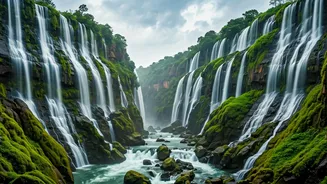
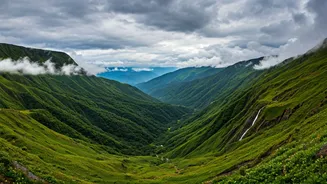
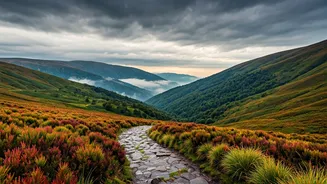
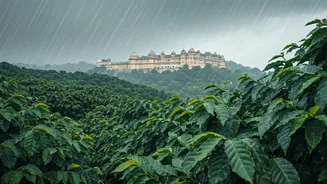
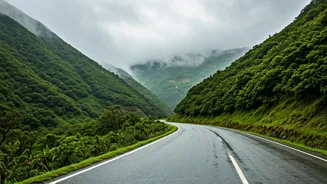
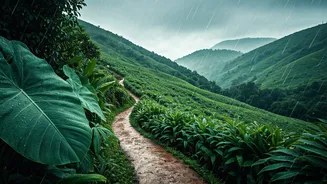
As the first heavy showers of June give way to the consistent rains of the monsoon, the landscape of Lonavala undergoes a breathtaking transformation. [18] Bare, brown cliffs suddenly burst to life, draped in vibrant green and streaked with silver as
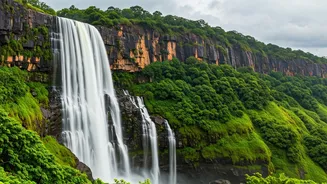
countless waterfalls are born. [18] This year is no different, with social media buzzing with clips captured by early-season trekkers. These videos showcase the raw power of nature: immense volumes of water, white and foaming, thundering down the iconic cliffs of the Western Ghats. This annual spectacle signals that the best time to witness Lonavala's raw beauty has officially begun, attracting visitors from Mumbai, Pune, and beyond. [17, 18]
What Causes the Foaming Water?
The milky, foaming appearance of these seasonal waterfalls is a natural phenomenon, not a sign of pollution. The effect is created by a combination of factors. As the sheer volume of rainwater cascades down from great heights, it becomes heavily aerated, creating countless tiny bubbles. [29] Furthermore, as the water flows through forests and over vegetation, it picks up dissolved organic compounds from decaying plant matter. [29] These compounds act as surfactants, similar to soap, which stabilize the air bubbles and create a persistent, thick foam when the water is agitated by its powerful descent. This process is especially pronounced during the peak monsoon when the water flow is at its strongest. [25, 29]
Prime Spots to Witness the Spectacle
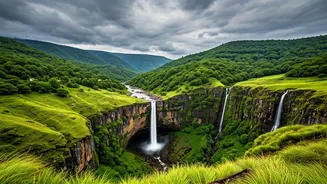
Lonavala and its surroundings are dotted with waterfalls, each offering a unique experience. Bhushi Dam is perhaps the most famous spot, where water overflows down a series of steps, creating a playful, lively atmosphere. [6] For a more majestic and powerful view, Kune Falls, a three-tiered cascade and one of India's highest waterfalls, is an unmissable sight during the monsoon. [5, 7] For the more adventurous, the trek to Kataldhar Waterfall offers a rewarding experience. [10] Hidden in a dense forest, this seasonal giant is known for its challenging trail and the stunning, secluded view it provides, often with a cave behind the falls. [12, 13] Other popular spots include the Lonavala Lake Waterfall, Zenith Waterfall, and the unique Reverse Waterfall at Sandhan Valley, where strong winds push the water upwards. [3, 5]
A Guide to Safe Monsoon Trekking
The beauty of monsoon in Lonavala comes with inherent risks, and safety should be the top priority. Local authorities regularly issue advisories, urging tourists to be cautious. [18] Always check the weather forecast before heading out and avoid trekking during heavy rain warnings. [8] The basalt rock of the region becomes extremely slippery when wet. [2] It is essential to wear proper trekking shoes with a strong grip; standard sports shoes are not adequate. [8] Trek in groups, stay on marked trails, and inform someone of your plans. [21] Avoid venturing too close to the edge of cliffs or waterfalls for selfies, and never enter fast-flowing streams or attempt to cross them. [18, 19] If a trail seems flooded or damaged, it's always safer to turn back. [2]
Embracing the Full Monsoon Experience
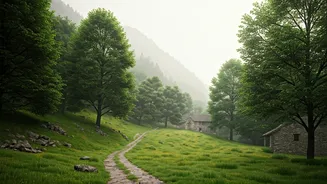
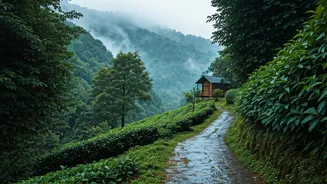
Beyond the waterfalls, the monsoon in Lonavala is an entire sensory experience. The cool, misty weather provides a perfect escape from city heat. [18] The journey itself, especially the drive along the Mumbai-Pune Expressway as it cuts through the Ghats, is a scenic adventure. [9] No trip is complete without indulging in the local monsoon treats. Roadside stalls and local eateries are filled with people enjoying hot bhutta (roasted corn on the cob), spicy kanda bhaji (onion fritters), and steaming cups of chai, which provide warmth and comfort against the cool, damp air. [16] These simple pleasures are as much a part of the Lonavala monsoon tradition as the waterfalls themselves.