






The Global Ripple Effect
It all starts with crude oil, a raw fossil fuel extracted from the earth that is traded on global markets. Its price, typically quoted in dollars per barrel, is sensitive to a mix of factors including international supply, demand, and geopolitical events.
For instance, conflicts in major oil-producing regions like West Asia can disrupt supply routes like the Strait of Hormuz, causing prices to spike. Since India imports nearly 89% of its crude oil requirements, any volatility in these international prices creates a direct ripple effect that travels all the way to the Indian economy and, eventually, to your wallet.
From Crude to Your Car's Tank
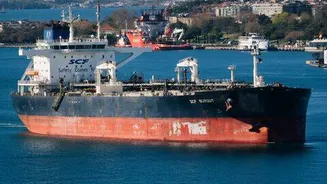
Once crude oil is purchased, it is shipped to refineries in India. Here, it is processed into various finished products, including petrol and diesel. The price of this refined fuel is then determined by the Oil Marketing Companies (OMCs). These companies revise prices daily, factoring in the cost of crude, the rupee-dollar exchange rate, refining costs, freight charges, and their own margins. This base price, however, is only one part of what you ultimately pay at the petrol pump. A significant portion of the final retail price is made up of taxes.
The Big Role of Taxes
In India, both the Central and State governments levy substantial taxes on petrol and diesel. These include Central Excise Duty and state-specific Value Added Tax (VAT), which can collectively account for 40% to 55% of the total retail price. This heavy tax component means that even when global crude prices fall, consumers may not see an immediate or proportional decrease at the pump. The government sometimes uses this structure to absorb losses incurred when crude prices were high or to maintain revenue, which is crucial for state and central budgets. This is why fuel prices can feel stubbornly high even when oil becomes cheaper internationally.
The Impact on Air Travel Costs
For air travel, the key commodity is Aviation Turbine Fuel (ATF), or jet fuel. ATF is a major operating expense for airlines, often constituting 35-40% of their total costs. The price of ATF is directly linked to crude oil prices, and their correlation is almost perfectly positive. When crude prices surge, OMCs increase ATF prices, sometimes dramatically. Airlines, which often operate on thin margins, typically pass this increased cost on to passengers in the form of a 'fuel surcharge' added to the ticket price. In some cases, prolonged high fuel prices can even force airlines to reduce the number of flights on certain routes to cut costs, impacting flight availability.
The Reality of Road Trip Budgets
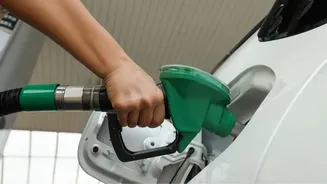
The connection between crude oil and road trip costs is the most direct. Higher petrol or diesel prices mean it simply costs more to fill up your car, bike, or rental vehicle. But the impact doesn't stop there. Increased fuel prices also drive up operational costs for bus services and taxis, leading to higher fares. Furthermore, the cost of transporting goods—from food to essential supplies for hotels and restaurants along highways—also rises. This can indirectly inflate the prices of food, lodging, and other services you might use during your journey, making your entire trip more expensive than anticipated.