
The Three Pillars of Freezer Labelling
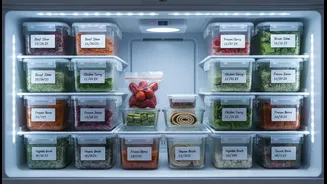
A successful freezer strategy rests on three key pieces of information: the name of the dish, the date it was frozen, and the portion size. Missing even one of these can lead to confusion and waste. Think of it as the essential data your future, hungry
self will need. The dish name prevents you from thawing palak paneer when you wanted dal makhani. The date helps you practice the 'First In, First Out' (FIFO) method, ensuring you use older items first to maintain quality. And the portion size lets you grab exactly what you need without thawing a huge batch for a single meal.
Be Specific With the Dish Name
Vagueness is the enemy of an organised freezer. Labelling a container “Chicken” is not enough. Is it raw chicken breasts, chicken curry, or chicken biryani? Specificity is your friend. A good label reads “Spicy Chicken Chettinad” or “Grandma's Rajma Masala.” This level of detail makes meal planning a breeze. You can see at a glance what options you have, helping you build a weekly menu without having to thaw and inspect mystery packages. It also prevents tragic mix-ups, like thinking a container of gravy is chocolate ice cream.
The Critical Role of the Date
Every item that enters your freezer should be dated. While frozen foods are safe indefinitely from a food safety perspective, their quality—taste and texture—degrades over time. The date of freezing gives you the context to decide what to eat next. By using the FIFO principle, you ensure that food is consumed while it's still at its peak. This simple habit dramatically reduces the chance of discovering a freezer-burned, unidentifiable object at the back of your freezer from two years ago, ultimately saving you money and reducing waste.
Portion Size: Plan for Your Future Needs
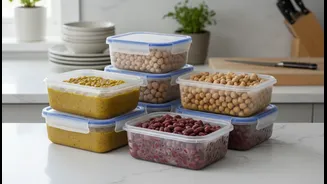
Adding portion size or the number of servings to your label is a game-changer for busy households. It turns your freezer into a library of convenient meal components. A label that says “Serves 4” on a container of dal tadka lets you know it’s perfect for a family dinner. A smaller container labelled “1 Serving” is ideal for a quick solo lunch. This detail is especially useful when batch cooking. You can freeze soups, curries, and stews in various portion sizes to fit different needs, making it incredibly easy to pull out the exact amount required, which saves time and prevents you from thawing more than you need.
Choosing the Right Tools for the Job
Your labelling system is only as good as the tools you use. Regular paper labels and ink pens often fail in the cold, moist environment of a freezer. Invest in labels and markers designed for the job. Masking tape and a permanent marker are a classic, budget-friendly option. For reusable containers, you can find specialty freezer labels made of materials like polyester or vinyl that are tear-resistant and repel moisture. Some modern options include dissolvable labels that wash away with no sticky residue, or erasable labels that can be used again and again. Whatever you choose, make sure your writing is legible and the label is securely attached to a dry container before it goes into the cold.