

Catch the Tail of the Perseids
While the peak of the spectacular Perseid meteor shower was around August 12-13, you can still catch some of its lingering magic. The shower remains active until about August 24. These late-season 'shooting stars' are fewer in number but can be just as breathtaking.
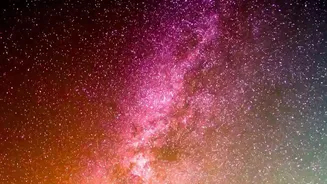
For your best chance, find a dark location away from city lights, preferably after midnight. Let your eyes adjust for at least 20 minutes and look towards the northeast. Patience is key, but a stray, streaking meteor is a worthy reward.
A Trio of Morning Planets
The early morning sky in late August offers a beautiful planetary alignment for early risers. Before sunrise, look to the east to find three bright planets. Brilliant Jupiter will be unmistakable, hugging the eastern horizon. Higher up, Mars will be visible with its distinct reddish glow. And shining steadily in the south or southwest before dawn will be the golden-hued Saturn. This celestial trio provides a wonderful opportunity to identify our planetary neighbors, even with the naked eye. Jupiter and Mars will be particularly noticeable in the morning twilight.
The Sturgeon Moon and a Partial Eclipse
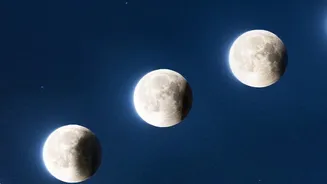
The main lunar event this month is the full moon on Friday, August 28. In India, it will reach its peak fullness in the morning, around 9:48 AM IST. Known as the 'Sturgeon Moon' from North American traditions, this full moon also brings with it a special treat: a partial lunar eclipse. This eclipse will be visible over parts of Europe, Africa, Asia, and Australia. For observers in India, the event will occur in the hours surrounding the moonrise, offering a chance to see the Earth's shadow subtly darken a portion of the lunar surface. It's a serene and fascinating event that doesn't require any special equipment to enjoy.
Saturn's Evening Appearance
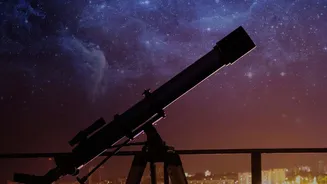
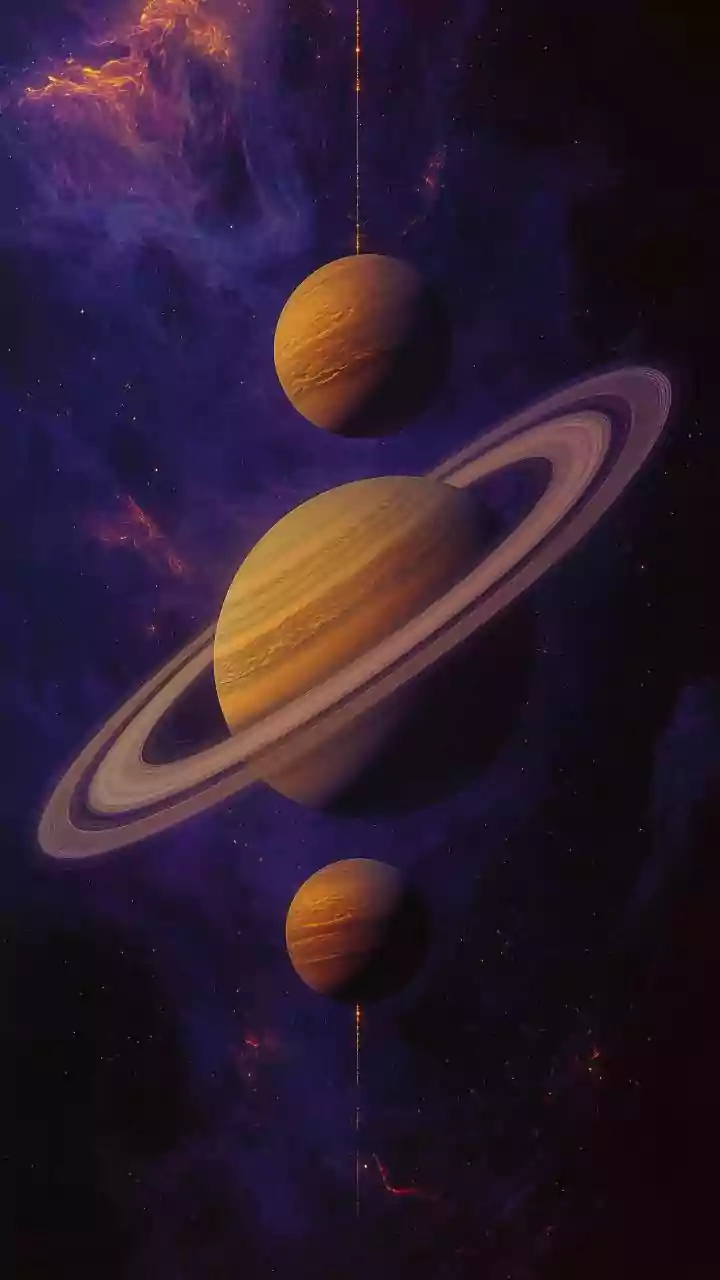
While Saturn joins the morning parade, it is also putting on an excellent evening show as it heads towards its opposition in early October. Opposition is when Earth passes directly between a planet and the sun, making that planet appear at its biggest and brightest for the year. In late August, the ringed planet will rise a couple of hours after sunset and will be visible for most of the night. Even with a basic pair of binoculars, you might notice it's more than a simple star. A small telescope will begin to reveal its famous rings, a sight that never fails to impress.
Tips for the Monsoon Stargazer
Stargazing during India's monsoon season can be a challenge, but it's not impossible. The key is to be opportunistic. Skies are often at their clearest just after a spell of rain, as the downpour washes dust and pollutants from the atmosphere. Check the weather forecast for clear windows, which can sometimes last for several hours overnight. If you live in a city, even a short drive away from the bright lights can dramatically improve your view. Use stargazing apps on your phone to help identify what you're looking at, but be sure to switch to 'night mode' to preserve your night vision. For those in rain-shadow regions like Spiti Valley or parts of the Thar Desert, the skies remain much clearer throughout August.