

A Move Beyond the Mainstream
For decades, dining out in India often meant a choice between a familiar rotation of North Indian staples like butter chicken, international favourites such as Italian pasta and American burgers, or the ever-popular Indo-Chinese. But a significant shift
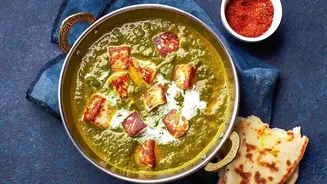
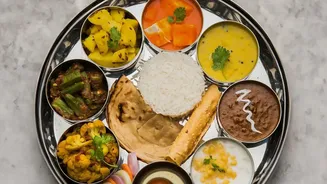
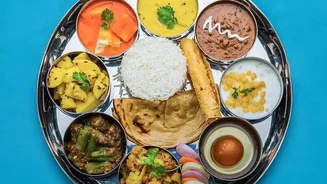
is underway. Diners are looking past the classics and seeking something more authentic and specific. There's a growing curiosity about the vast culinary landscape that exists within India's borders, moving beyond pan-Indian menus to celebrate specific, and often overlooked, regional cuisines. This isn't about replacing international tastes but expanding the palate to appreciate the complexity and history of local food traditions.
The Rise of Hyper-Local Flavours
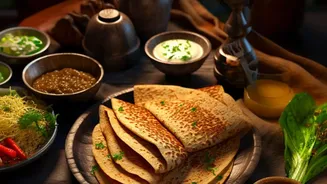
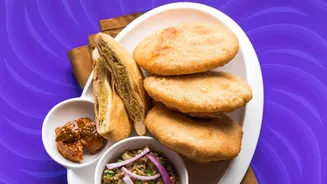
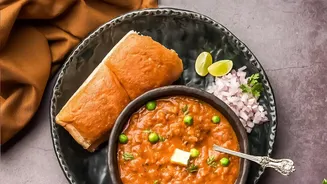
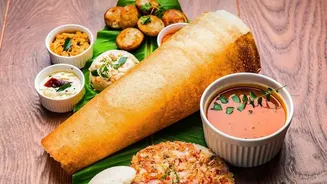
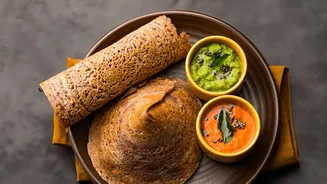
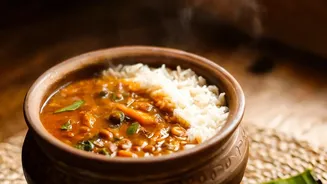
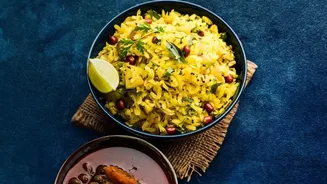
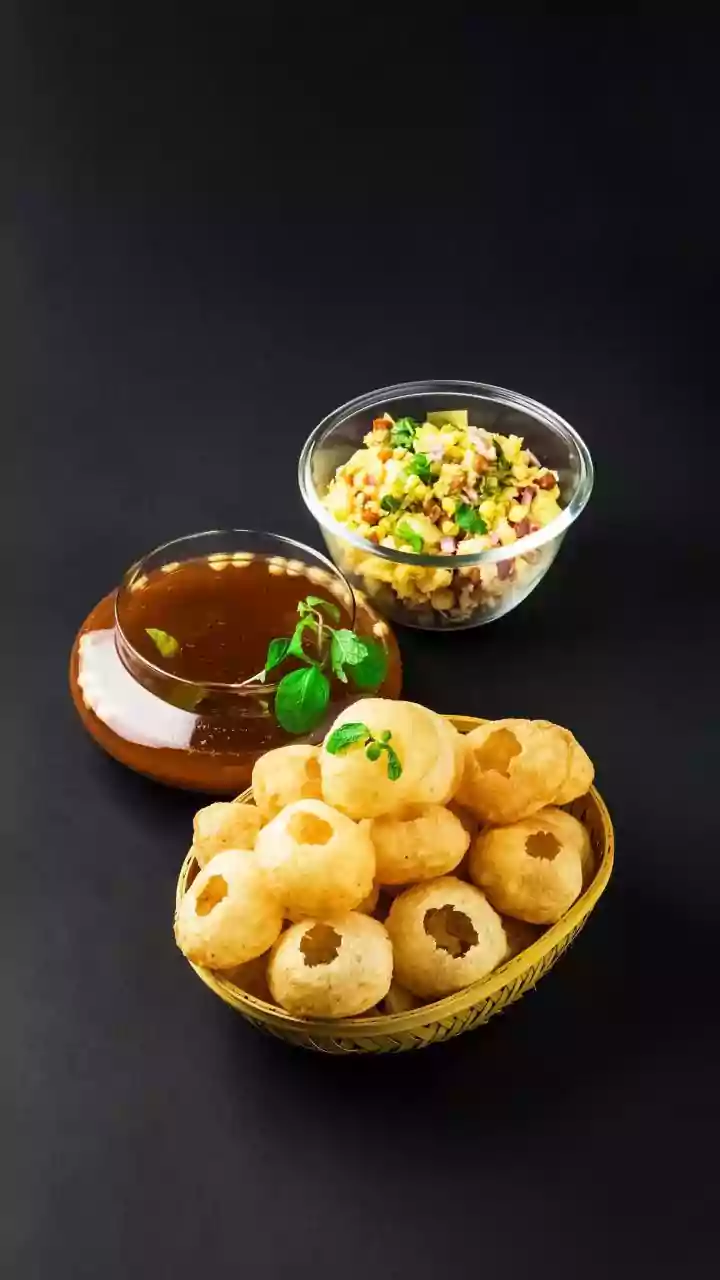
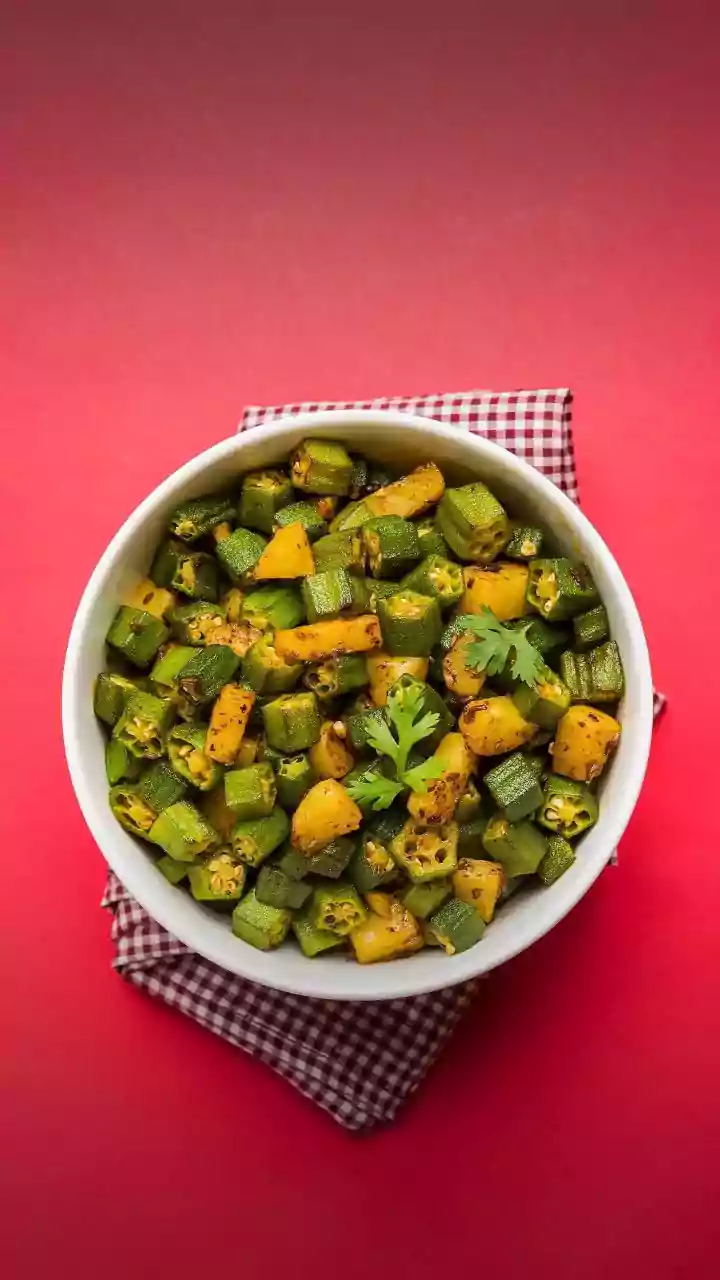
Suddenly, cuisines that rarely left their home states are finding the spotlight in urban dining rooms. This movement is being called the rise of hyper-local or micro-cuisine. Restaurants and pop-ups are now proudly serving dishes from regions like Bihar, Odisha, and Assam. Diners are exploring the smoky, earthy flavours of Nagaland, the delicate seafood of the Konkan coast, and the unique preparations of Himalayan communities. This trend champions authenticity, focusing on ingredients and cooking methods native to a specific place, from a particular village's fermented rice batter to pepper from a family estate. The conversation has become more nuanced; it's no longer just 'South Indian food', but Keralan, Kongu Nadu, or Chettinad cuisine, each with its own distinct identity.
What's Fuelling the Culinary Curiosity?
Several factors are driving this change. Increased domestic travel has exposed people to the rich food cultures of different states, leaving them craving those flavours back home. Social media has also played a massive role, with food bloggers and influencers showcasing the diversity of India's culinary heritage, from Kashmiri Wazwan to fiery Chettinad dishes. Platforms like Instagram have essentially become visual menus, where a 30-second reel can turn a small, local dish into a viral sensation. Furthermore, a new generation of Indian chefs is championing this movement. They are acting as culinary archivists, travelling to remote villages, learning from elders, and documenting forgotten recipes to preserve them for the future.
A Global Palate Begins at Home
The growing interest in regional food does not signify a rejection of global cuisine. Instead, it reflects a confident and curious Indian diner who wants the best of both worlds. They are as eager to try an authentic Nga Atoiba Thongba from Manipur as they are to find the perfect Neapolitan pizza. This dual-appetite shows that the Indian palate is expanding, not shifting. It's about adding depth and variety, understanding that a culinary journey can be just as exciting within India as it is abroad. Restaurants are responding by acknowledging that diners expect authenticity, whether the dish is from Pune or Tuscany. This movement proves that sometimes, the most exciting new flavours are the ones that have been waiting in your own backyard all along.