


Rethink Your Bathroom Routine
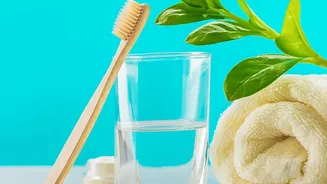
The bathroom is where a significant amount of household water is used, but small changes can lead to big savings. Turning off the tap while you brush your teeth can save gallons of water each day. Similarly, instead of letting the water run while shaving,
fill the sink with a few inches of water to rinse your razor. When it comes to showering, the goal isn't to skip it, but to be more efficient. A standard shower uses less water than a full bath. Try to keep your showers shorter, perhaps aiming for five minutes. A simple but effective trick is to turn the water off while you lather up with soap and shampoo, turning it back on only to rinse. This single habit can save a surprising amount of water over time without making you feel any less clean.
Master the Art of Water-Wise Washing
When it comes to laundry, the biggest impact comes from how often you run the machine. Instead of washing several small loads, wait until you have a full load. This simple practice ensures you get the most out of every litre of water used by the machine. Most modern detergents are effective in cold water, which not much only saves water but also the energy required to heat it. Unless clothes are exceptionally dirty, you can often skip the extra rinse cycle, which many machines offer as an option. For handwashing clothes, using a bucket system instead of a running tap is a traditional yet highly effective method for controlling water usage.
Transform Your Kitchen Habits
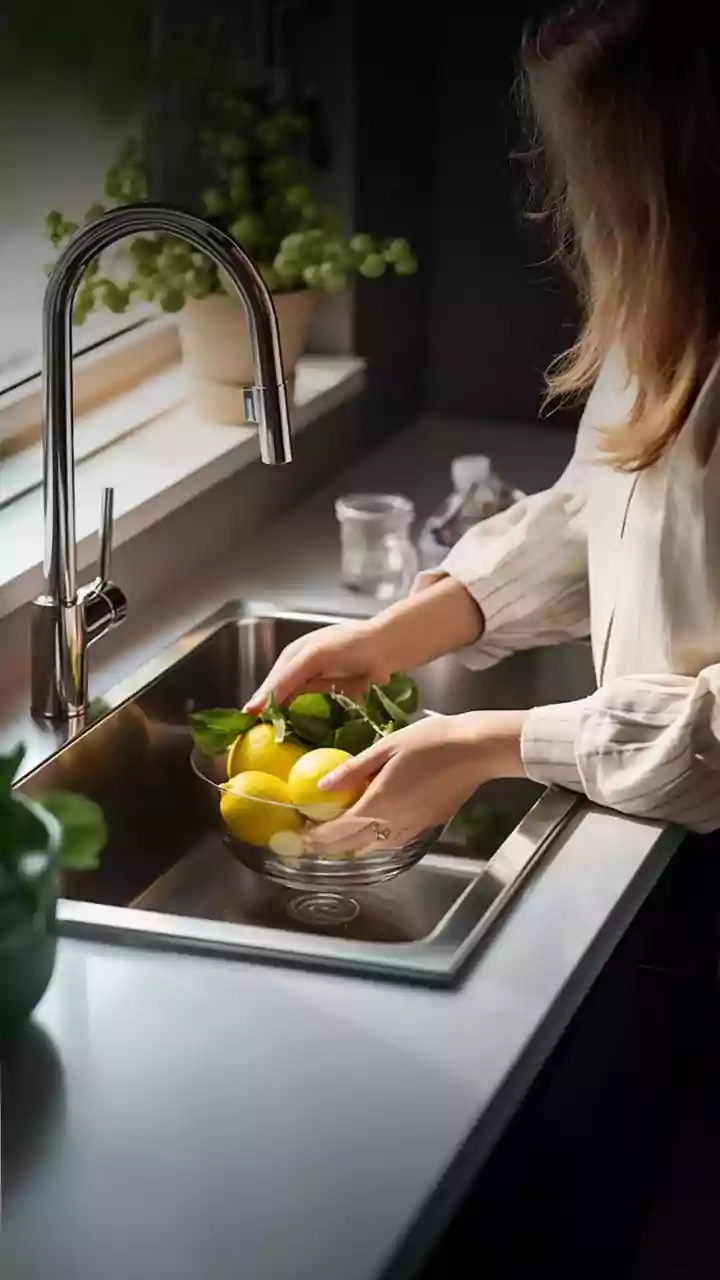
The kitchen is another area with huge potential for water conservation. Instead of letting the tap run to wash fruits and vegetables, use a large bowl or a plugged sink filled with water. The leftover water can then be reused to water your household plants. The same principle applies to washing dishes. Soaking pots and pans before scrubbing makes them easier to clean and eliminates the need to leave the water running. If you have a dishwasher, use it only when it's completely full, as this is often more water-efficient than washing the same number of dishes by hand. And if you use a water purifier, collect the wastewater from your RO system. While it's not for drinking, it's perfectly fine for mopping floors, cleaning, or flushing toilets.
Become a Leak Detective
One of the most silent water wasters in any home is a leak. A slow-dripping tap or a constantly running toilet can waste hundreds, if not thousands, of litres of water over a year. Make it a regular habit to check all your taps, pipes, and toilet cisterns for leaks. A simple way to check your toilet for a silent leak is to add a few drops of food colouring to the tank. Without flushing, wait for about 20-30 minutes. If colour appears in the bowl, you have a leak that needs fixing. Promptly repairing even the smallest of drips is a crucial step in preventing unnecessary water loss and can also save you money on your water bill.