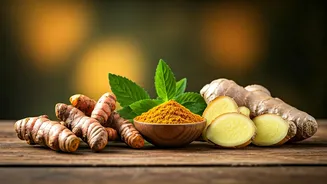









The Golden Healer: Turmeric (Haldi)
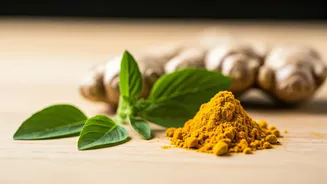
A staple in every Indian kitchen, turmeric’s vibrant yellow-orange hue is more than just a feast for the eyes. Its power lies in curcumin, a compound celebrated for its potent anti-inflammatory and antioxidant properties. During the monsoon, when humidity
and dampness can lead to a spike in infections, turmeric acts as a formidable shield. It helps soothe sore throats, reduce inflammation in the respiratory tract, and bolster the body's natural defence mechanisms. A daily dose of 'haldi doodh' (turmeric latte) before bed is not just a comforting ritual passed down through generations; it's a science-backed way to fight off pathogens. Simply warm a cup of milk, add a quarter teaspoon of turmeric powder, a pinch of black pepper (which aids curcumin absorption), and a touch of honey or jaggery. This simple concoction can help keep coughs and colds at bay, ensuring you enjoy the rains without the sniffles.
The Mighty Root: Ginger (Adrak)
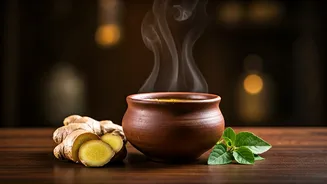
There is little that a hot cup of 'adrak wali chai' cannot fix on a rainy day. Ginger is the ultimate monsoon companion, revered in Ayurveda for its ability to fire up 'agni' (digestive fire), which is believed to be weaker during this season. As our metabolism slows, ginger comes to the rescue by improving digestion and preventing common monsoon-related stomach issues like indigestion and bloating. But its benefits don't stop there. Ginger is packed with gingerol, a bioactive substance that helps fight infections and reduce nausea. Its warming nature is excellent for combating the chills that can accompany the monsoon weather. For those suffering from a cold or flu, ginger works as a natural decongestant, helping to clear sinuses and relieve chesty coughs. Beyond tea, you can add freshly grated ginger to soups, curries, and vegetable stir-fries to easily incorporate its healing properties into your daily meals.
The Queen of Herbs: Tulsi
Known as Holy Basil, Tulsi is not just a sacred plant in India; it's a powerhouse of medicinal benefits. Often referred to as the “Queen of Herbs,” Tulsi is a cornerstone of Ayurvedic medicine, especially for its remarkable ability to enhance immunity. Its leaves are rich in phytochemicals and essential oils that possess strong antibacterial, antiviral, and antifungal properties, making it an essential herb for the monsoon. Chewing a few fresh Tulsi leaves first thing in the morning is a simple practice to help keep infections at bay. For respiratory ailments like bronchitis and asthma, which can be aggravated by the damp weather, a decoction of Tulsi leaves boiled with water can provide immense relief. It acts as an expectorant, helping to mobilise mucus and clear the airways. Its adaptogenic properties also help the body cope with stress, which in turn strengthens the immune system. A simple Tulsi tea, made by boiling 8-10 leaves in water, is a soothing and effective way to harness its benefits.
Combine Them for a Power Potion
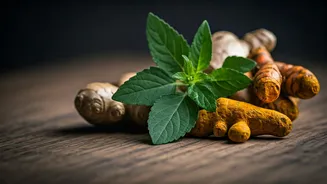
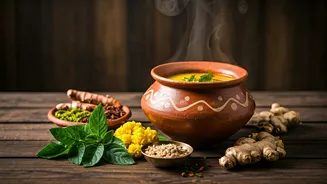
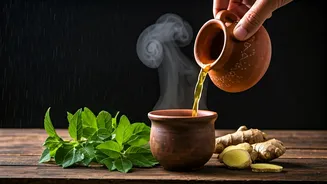
While each of these ingredients is powerful on its own, they create a synergistic effect when combined. You can create a simple yet highly effective immunity-boosting 'kadha' or decoction at home. Here’s how: 1. Take a small one-inch piece of fresh ginger and a one-inch piece of raw turmeric, and crush them lightly. 2. Add the crushed ginger and turmeric to two cups of water in a saucepan, along with 8-10 fresh Tulsi leaves. 3. Bring the mixture to a boil and then let it simmer on low heat for 10-15 minutes, until the water reduces to about half. 4. Strain the liquid into a cup. You can add a teaspoon of honey for taste and its own soothing properties, along with a squeeze of lemon juice for a dose of Vitamin C. Sip this warm concoction once a day, either in the morning or evening, to build a strong defence against the common health challenges of the monsoon season.