







A Welcome Digital Intervention
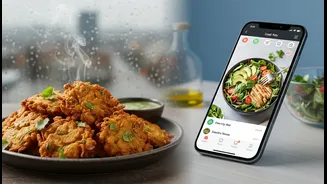
Hyderabad's National Institute of Nutrition (NIN) is developing an AI-powered bot and web platform to provide detailed nutritional information on thousands of packaged foods available in India. Announced in June 2026, the goal is to create a one-stop
source for consumers to look up a product or brand and understand its nutritional profile, including hidden additives or signs of ultra-processing. This initiative comes at a critical time, with the rising consumption of packaged foods in India contributing to an increase in non-communicable diseases (NCDs) like diabetes and hypertension. By partnering with a Hyderabad-based startup, NIN aims to build a scientific database that will not only empower consumers but also support researchers and policymakers in tracking nutritional trends and shaping future food policies.
The 'One-Size-Fits-All' Nutrition Problem
For years, Indians attempting to follow nutritional advice have faced a fundamental disconnect. Global calorie-counting apps and Western-centric diet plans often fall short because they lack a deep understanding of Indian food. How do you log a 'katori' of dal, when its ingredients, thickness, and 'tadka' can vary from one kitchen to the next? Where is the entry for 'ponnanganni keerai' or 'gatte ki sabzi'? The Indian Food Composition Tables (IFCT) from 2017 are a key resource, but many digital platforms don't fully integrate this data. This data gap forces users to make crude approximations, rendering the advice less accurate and harder to follow. The result is often frustration and the abandonment of health goals. Without tools built for our context, well-meaning advice remains abstract and inapplicable to the food on our plates.
The Glorious Complexity of Indian Food
The challenge for any nutrition tool in India is the sheer diversity of our cuisine. A meal in Kerala is vastly different from one in Punjab, West Bengal, or Gujarat. Diets are influenced by geography, climate, culture, and seasons. Traditional Indian dietary practices, like the thali system, are inherently balanced, often plant-based, and incorporate a wide array of grains, lentils, vegetables, and spices. These meals are not easily broken down into the simplistic components favored by Western nutrition apps. Spices like turmeric, ginger, and cumin, integral to our cooking, have medicinal properties that are part of a holistic approach to health, a concept deeply rooted in Indian culture. An effective AI tool cannot just count calories; it must comprehend the complex matrix of ingredients, regional preparations, and the cultural significance of food.
What the AI Bot Must Get Right
For NIN's bot to be a game-changer, it must be built on a foundation of deep contextual knowledge. Its success will depend on its ability to recognize and catalogue the vast universe of Indian foods, from home-cooked meals to regional specialties. This requires a database that goes beyond packaged goods to include traditional recipes. It needs to understand vernacular names for ingredients and dishes, which change every few hundred kilometers. The platform must also account for variations in cooking methods—the type of oil used, the presence of ghee, or the difference between steamed and fried. This is a monumental data challenge, but it is the only way to create a tool that feels intuitive and trustworthy to the average Indian user. As research shows, without accurate information on nutrient intake that reflects local diets, our public health interventions will continue to face major hurdles.
Beyond the Bot: A Systemic Shift
While a powerful AI tool is an excellent step, it is not the entire solution. The bot’s potential should be seen as part of a larger, necessary movement to decolonize nutrition and place Indian food systems at the center of our health discourse. This means investing more in research on Indian dietary patterns, training nutritionists to offer culturally relevant advice, and promoting the health benefits of traditional, seasonal, and local foods. For too long, Indian diets have been unfairly maligned or misunderstood in global health conversations. Initiatives like the NIN bot, along with its other recent work on context-specific screening tools, can help reclaim the narrative. They can validate the wisdom of our grandmothers' kitchens and empower Indians to find health within their own rich culinary heritage.