

The Foundation: Fruits and Dairy
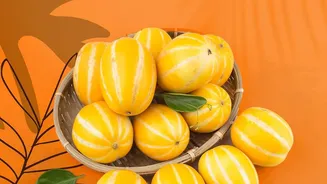
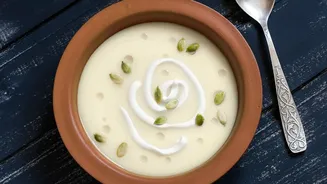
The simplest and most fundamental part of a Janmashtami fast includes fruits and milk products. All seasonal fruits like apples, bananas, pomegranates, and papayas are permitted and provide essential vitamins and natural sugars for energy. Dairy, which
was dear to Lord Krishna, holds a special place. Milk, curd, buttermilk, and paneer are all widely consumed. They offer protein and calcium, helping to keep you satiated and nourished through the day. Many devotees begin their fast with a simple meal of fruit or a glass of milk.
The Energy Booster: Sabudana
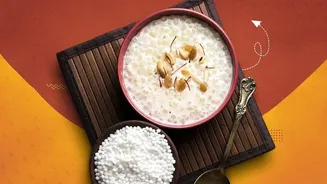
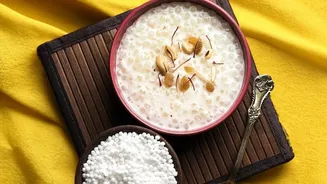
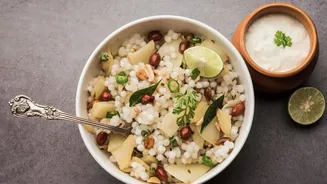
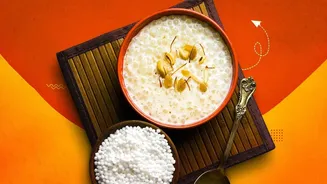
Sabudana, or tapioca pearls, is perhaps the most iconic fasting food in India. Made from the starch of cassava root, it is not a grain, making it an ideal choice for a vrat diet. Rich in carbohydrates, sabudana provides a quick and sustained release of energy, which is crucial during a day of fasting. It's incredibly versatile and can be prepared in various ways. Sabudana khichdi, made with potatoes, peanuts, and rock salt, is a savoury favourite, while sabudana kheer offers a sweet, comforting option. For a crunchy snack, many prepare sabudana vadas, which are deep-fried patties.
Permitted Flours: Kuttu, Singhara, and Rajgira
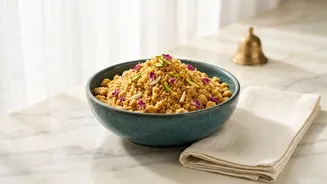
Since regular grains like wheat and rice are avoided, special non-cereal flours form the backbone of a fasting meal. Kuttu ka atta (buckwheat flour), singhara ka atta (water chestnut flour), and rajgira ka atta (amaranth flour) are the most common. Despite their names, buckwheat is a seed and water chestnut is a fruit, which is why their flours are permitted. These flours are used to make pooris, parathas, and cheelas (pancakes), often paired with a simple potato curry made with rock salt. They are gluten-free and provide fibre, protein, and essential nutrients.
Vegetables, Tubers, and Seasonings
The list of allowed vegetables during a Janmashtami fast is specific. Potatoes, sweet potatoes, pumpkin, and raw bananas are staples. These tubers are filling and can be used in curries, fried snacks, or simply boiled. Tomatoes, cucumber, and spinach are also permitted in many traditions. The key seasoning used is sendha namak, or rock salt, as regular table salt is avoided. Spices like black pepper, cumin, and coriander powder can be used to add flavour to dishes.
Nuts, Seeds, and Healthy Snacks
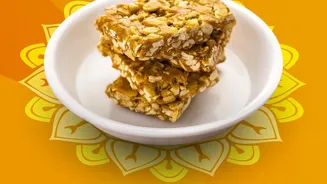
Nuts and seeds are an excellent source of healthy fats and protein, providing sustained energy. Almonds, walnuts, cashews, and peanuts are frequently consumed, either raw or roasted. Another popular snack is makhana (fox nuts). Low in calories and rich in antioxidants, they can be roasted in a little ghee and seasoned with rock salt for a light and crunchy snack that curbs hunger pangs between meals.
What to Strictly Avoid
Just as important as knowing what to eat is knowing what to avoid. During the Janmashtami fast, all regular grains and lentils such as wheat, rice, and pulses are prohibited. Non-vegetarian food, including eggs, is strictly forbidden. Onions and garlic are also avoided as they are considered tamasic, meaning they are believed to create restlessness. Additionally, regular table salt and certain spices like asafoetida (hing) are replaced with their vrat-friendly counterparts.