

The High Cost of Going Electric
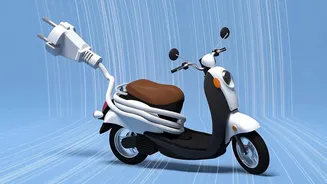
For India to achieve its ambitious electric vehicle goals, especially in the dominant two-wheeler segment, affordability is key. Currently, the most significant component driving up the price of an electric vehicle is its battery pack. The vast majority
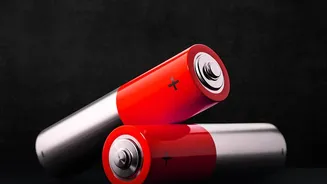
of these are lithium-ion batteries. The problem is that the core materials, like lithium and cobalt, are scarce, geographically concentrated, and subject to volatile global prices. India imports nearly all of its lithium, creating not just a cost issue but also a strategic dependency on other nations. This reliance has been a persistent roadblock to truly mass-market, affordable electric mobility for the average Indian consumer.
An Abundant and Cheaper Alternative
Enter the sodium-ion battery. The fundamental science is similar to its lithium-ion cousin, but it uses sodium ions as the charge carriers. The crucial difference? Sodium is one of the most abundant elements on Earth, readily available from common salt and minerals. This sheer abundance means the raw material costs are significantly lower and more stable. For India, which has vast reserves of sodium, this technology aligns perfectly with national goals like 'Atmanirbhar Bharat' (self-reliant India) by reducing import dependency and building a secure domestic supply chain. The technology is no longer purely theoretical; commercialisation is beginning globally in 2026, signaling a major shift.
The Race for an Indian-Made Battery
Several Indian companies and research institutions are making significant strides in developing this technology. Reliance Industries, through its new energy division, is actively fast-tracking the commercialisation of its sodium-ion battery technology, with plans for a giga factory in Jamnagar set to begin production in 2026. Pune-based KPIT Technologies has also developed its own sodium-ion battery tech, which it has transferred to Trentar Energy Solutions for commercial manufacturing. KPIT's technology boasts a long lifespan of 3,000-6,000 cycles and fast charging capabilities. Furthermore, researchers at institutions like the Jawaharlal Nehru Centre for Advanced Scientific Research (JNCASR) have developed prototypes that can charge incredibly quickly, adding to the technology's practical appeal.
Are There Any Downsides?
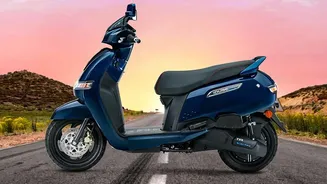
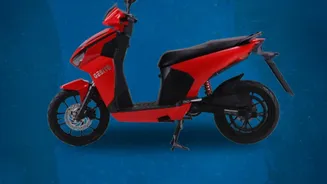
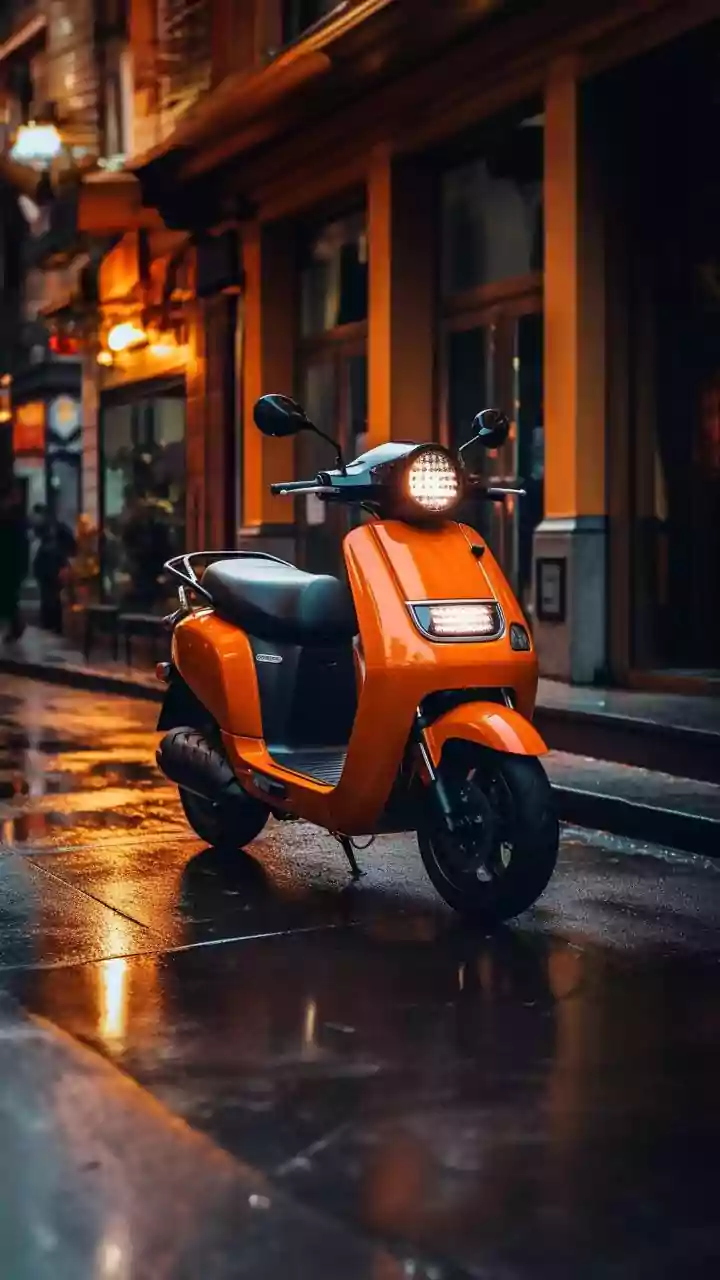
While promising, sodium-ion technology is not a perfect replacement for lithium-ion just yet. The primary challenge is lower energy density. Because sodium ions are larger than lithium ions, the batteries generally store less energy for the same weight and size. This translates to a shorter range for an EV. A scooter with a sodium-ion battery might have a range of 100-150 km, compared to a similar-sized lithium-ion pack offering 150-200 km. However, for the vast majority of urban two-wheeler commuters in India, whose daily travel is well within this range, this trade-off for a significantly lower purchase price could be very attractive. Experts believe this makes sodium-ion batteries perfectly suited for entry-level EVs, two-wheelers, and three-wheelers.
The Road Ahead for Sodium-Ion
The path to widespread adoption is becoming clearer. The Indian government's Production Linked Incentive (PLI) scheme for battery manufacturing is chemistry-neutral, meaning companies investing in sodium-ion can receive support. As Indian firms scale up production, costs are expected to fall further, making them competitive with even the cheapest lithium-ion variants. The ability to use much of the existing lithium-ion manufacturing infrastructure with moderate changes will also help accelerate this transition. While it won't replace high-performance lithium batteries overnight, sodium-ion technology is poised to capture a significant niche in the market for affordable, practical urban mobility, potentially revolutionising the two-wheeler segment within the next few years.