



A Quiet Kitchen Upgrade
A shift is underway on the stovetops of Indian homes. It’s not about abandoning the dal, roti, and sabzi that form the bedrock of the nation's diet, but about enhancing them. Spurred by growing health consciousness, urban wellness trends, and a flood
of accessible information online, home cooks are consciously tweaking age-old recipes to boost their nutritional value. The primary focus is on increasing protein and fibre, two components often found lacking in traditional carb-heavy meals. This movement isn't about dieting or restriction; it's a thoughtful evolution of an already rich culinary heritage, aiming to make every meal work harder for a family's well-being.
From Grains to Greens: How It's Done
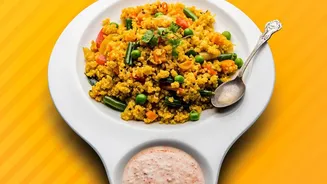
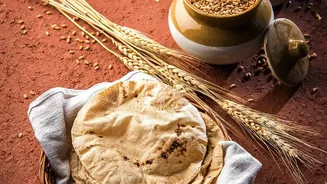
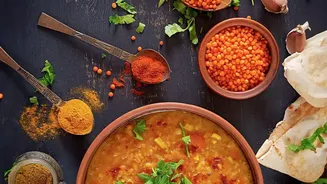
The modifications are often simple yet effective. The humble roti is a prime example. Plain wheat flour is now frequently mixed with besan (gram flour), sattu (roasted gram flour), or ground oats to increase protein. Many are also turning to traditional millets like jowar, bajra, and ragi, which are naturally high in fibre and micronutrients. In sabzis and curries, the changes are just as subtle. A handful of soya chunks might be added to a vegetable curry for a protein punch, or paneer could be crumbled into a dish. Seeds like flax, sesame, and sunflower are being mixed into batters and doughs, while lentils and sprouts are used as fillings for parathas and tikkis, replacing carb-heavy potato. Even breakfast staples like poha and upma are getting an upgrade with the addition of roasted peanuts, chana, or sprouts.
The Driving Force: Health and Awareness
This trend is fueled by a deeper understanding of nutrition's role in managing modern lifestyle challenges. With rising rates of diabetes and heart disease in India, many are proactively adjusting their diets as a preventative measure. The average Indian diet can be protein-deficient, with the Indian Council of Medical Research (ICMR) noting that many people consume less than the recommended 0.8-1 gram of protein per kilogram of body weight. This gap is particularly challenging for vegetarians. Simultaneously, the fitness and wellness movement, amplified by social media, has made macronutrient tracking and high-protein meals a mainstream topic. Nutritionists and food influencers play a key role, demonstrating how to make these small, sustainable changes without sacrificing flavour.
A Return to Roots
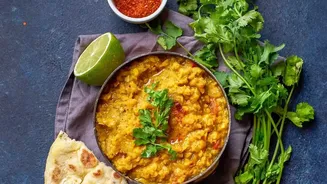
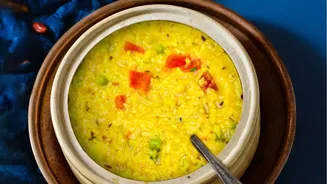
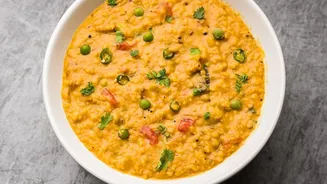
Interestingly, this 'new' trend is also a return to old wisdom. Millets, which are now being celebrated as superfoods, were once staples in many parts of India before being overshadowed by wheat and rice. The government's push for the 'International Year of Millets' in 2023 further boosted their comeback. Combining lentils and grains, like in the classic dal-rice pairing, is a traditional practice that creates a complete protein profile. The current movement builds on this foundation, consciously applying nutritional science to everyday cooking. The goal is to create a balanced thali that is not just comforting and tasty, but also functionally nutritious, providing sustained energy and supporting overall health without requiring a radical overhaul of one's diet.