



A New Culinary Frontier
In the bustling food scenes of Mumbai, Delhi, and Bangalore, a new trend is taking hold, far from the world of venture-funded food chains. It operates through WhatsApp, Instagram, and word-of-mouth, powered by a new generation of home chefs and small
entrepreneurs. These are the micro-cloud outlets: tiny, delivery-only kitchens, often run by a single person or family, dedicated to serving hyper-specific regional and tribal cuisines. For decades, the rich culinary traditions of communities like the Santhal, Naga, Koya, and others remained largely within their native regions, unknown to urban palates. These micro-kitchens are changing that, offering a direct portal to the authentic tastes and traditions of India’s indigenous communities. Unlike larger commercial cloud kitchens, the focus here is not on scalability, but on authenticity, heritage, and storytelling.
From Home Kitchens to City Plates
Take the example of chefs like Chuba Jamir, whose cloud kitchen 'Naga Chukka' in Mumbai serves authentic Naga dishes. Jamir, who trained in professional kitchens, started his venture during the pandemic to share the food of his upbringing, sourcing most ingredients directly from Nagaland to ensure genuine, unadulterated flavours. Similarly, ventures like 'Naga Belly', run by two women entrepreneurs in Mumbai, started as an online delivery service before growing into a full-fledged restaurant, popularising dishes like smoked pork with anishi (smoked taro leaves paste) and axone (fermented soya). These entrepreneurs are not just selling food; they are acting as cultural ambassadors, introducing metropolitan diners to a world of flavour built on fermentation, foraging, and fire.
The Taste of Tradition
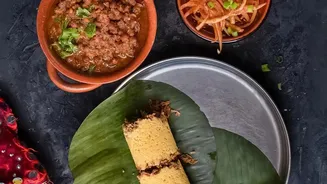
What makes tribal cuisine so unique is its deep connection to the local environment. Dishes are often simple yet flavourful, relying on ingredients foraged from forests and traditional cooking techniques like steaming in bamboo, roasting in leaves, and sun-drying. Santhali cuisine from Jharkhand and Odisha, for instance, features dishes like 'Jil Pitha', a pancake or cake made with minced meat and rice flour, and drinks derived from rice tea. From Chhattisgarh comes the famous 'Chapda Chutney' made from red ants, known for its fiery taste. In the Northeast, staples include smoked meats, fermented bamboo shoots, and sticky rice. These dishes offer a taste profile that is earthy, robust, and vastly different from mainstream restaurant food, emphasizing natural flavours over heavy spices.
More Than Just a Meal
This movement is about more than just satisfying culinary curiosity. For the entrepreneurs, it's a way to preserve and share their cultural identity. By cooking the food of their ancestors, they are keeping traditions alive and challenging misconceptions. For many, it's also a path to financial independence, creating livelihoods rooted in their own heritage. Initiatives like Samvaad, a conclave enabled by the Tata Steel Foundation, actively support these home chefs, bringing together tribal cooks from across the country to showcase their culinary skills and build entrepreneurial capacity. These platforms provide crucial visibility, helping to move tribal food from the community kitchen to a wider, appreciative audience, with some collaborations even reaching the fine-dining tables of Taj hotels.
The Digital Enabler
This entire movement is underpinned by modern technology. Social media platforms like Instagram serve as the primary shop window, where vibrant photos of 'Dohneiiong' (pork with black sesame) or 'Bongulo Chicken' (chicken cooked in bamboo) attract curious foodies. Orders are often taken directly via WhatsApp, creating an intimate, personal connection between the chef and the customer. This low-cost, direct-to-consumer model allows these micro-entrepreneurs to operate without the huge overheads of a traditional restaurant, making the business viable. It's a perfect blend of the ancient and the modern: centuries-old recipes delivered to your door via a few taps on a smartphone, bringing the soul of India's tribal kitchens into the heart of its most modern cities.