






The Two Biggest Variables: Fuel and Tolls
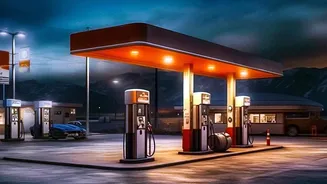
Before you even turn the key, your two most significant and variable costs on any Indian highway adventure will be fuel and tolls. Fuel prices are dynamic, changing daily and varying significantly from state to state due to local taxes. As of July 2026,
petrol prices can range from around ₹102 per litre in Delhi to over ₹111 in Mumbai and even higher in other cities. Similarly, India's expanding network of national highways means more toll plazas. With FASTag now mandatory, tolling is seamless, but the costs can add up quickly over a long journey. Proper planning isn't just about budgeting; it's about making your trip smoother and more predictable, leaving you free to enjoy the drive.
Calculating Your Fuel Expenditure
First, know your car's real-world mileage (kilometres per litre). Don't rely on the manufacturer's claim; calculate it yourself over a few full tanks. Once you have a reliable figure, map your route using any popular navigation app to get the total distance. To estimate the fuel needed, divide the total distance by your car's mileage. For the cost, multiply the required litres by the average fuel price in the states you'll be driving through. Remember that prices in major cities like Mumbai, Bengaluru, and Hyderabad are generally higher. You can check daily fuel prices on the websites of oil marketing companies like Indian Oil, BPCL, and HPCL.
Tips for Fuel-Efficient Driving
Your driving style is one of the biggest factors in fuel consumption. To maximize every litre, practice smooth acceleration and braking. Avoid sudden 'jackrabbit' starts from signals and anticipate traffic to coast to a stop instead of braking hard. On highways, maintain a steady speed, ideally between 70-90 km/h where most cars are most efficient. Using cruise control on expressways can help maintain a consistent speed and save fuel. Also, check your tyre pressure regularly, as under-inflated tyres increase rolling resistance and burn more fuel. Finally, limit the use of air conditioning at lower city speeds; at highway speeds above 60 km/h, however, using the AC is more efficient than opening windows due to aerodynamic drag.
Decoding India’s Toll System with FASTag
FASTag is an electronic toll collection system using RFID technology that's mandatory for all four-wheelers. A sticker on your windscreen is linked to a prepaid account, from which toll charges are automatically deducted as you pass through a toll plaza. This saves time and fuel by eliminating the need to stop and pay cash. Toll rates vary based on the highway, the distance covered, and your vehicle type. One key benefit to remember is the round-trip discount. If you return through the same toll plaza within 24 hours, you are often charged a discounted fare for the return leg. Ensure your FASTag account has sufficient balance before you start, which you can recharge easily online through various apps and bank portals.
Essential Apps for Cost Planning
Thankfully, you don't have to do all these calculations manually. Several apps and websites are designed to help you budget for your road trip. Apps like TollGuru offer a comprehensive trip calculator that estimates both toll taxes and fuel costs for your specific route and vehicle. You can input your starting point and destination, and it will provide a detailed breakdown of all the toll plazas on your route, their respective charges (for both FASTag and cash), and an estimated fuel expense. Other apps like FUELabc Map also help in finding fuel-efficient routes and tracking expenses. Using these tools can give you a highly accurate trip cost estimate in minutes, making planning effortless.