




What Exactly Is a 'Dark Store'?
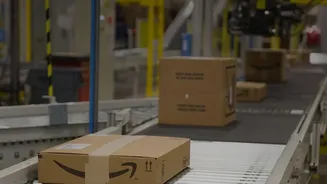
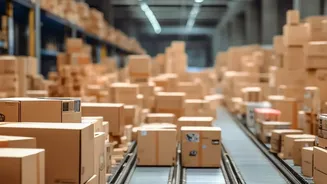
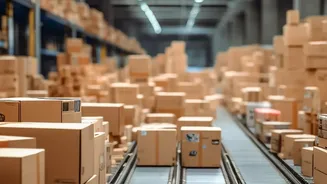
Imagine a supermarket that has no customers inside. The aisles are packed with goods, but instead of shoppers with carts, you see staff members, or 'pickers', swiftly moving to fill online orders. This is a dark store. These micro-fulfilment centres are designed
exclusively for online shopping, strategically placed in dense neighbourhoods to enable ultra-fast deliveries, often within 10 to 30 minutes. Unlike massive warehouses located on a city's outskirts, dark stores are smaller, more numerous, and embedded within the urban fabric, making them the engine of the 'quick commerce' industry. Platforms like Blinkit, Zepto, and Swiggy Instamart have built their business models around this concept.
The Strategic Shift to Tier 2 Cities
After saturating major metros like Mumbai, Delhi, and Bengaluru, quick commerce giants are now aggressively expanding into Tier 2 hubs such as Lucknow, Jaipur, Nagpur, Coimbatore, and Chandigarh. According to recent data, about a third of all dark stores in India are now located in these smaller cities, a number expected to grow significantly. The reasons are compelling: lower operational costs, including cheaper real estate and labour, make the business model more viable. Furthermore, rising incomes, widespread smartphone and digital payment adoption, and an established familiarity with e-commerce have created a ready consumer base in these markets. Cities like Lucknow and Jaipur now host over 100 and 90 dark stores respectively, turning them into significant operational hubs.
An Unprecedented Hiring Spree
This expansion is triggering a massive demand for a new blue-collar workforce. Each new dark store creates 10 to 20 new roles, leading to a hiring surge for warehouse staff, pickers, packers, sorters, and delivery personnel. The quick commerce sector is projected to create half a million new jobs in India, becoming a major engine of blue-collar employment. During festive seasons, this demand escalates, with companies hiring tens of thousands of temporary workers to manage the surge in orders. Reports indicate that nearly half of this new workforce demand is coming from Tier 2 and Tier 3 cities, reshaping local employment landscapes. Companies are actively recruiting for thousands of roles in fulfilment centres and last-mile delivery, offering monthly salaries that typically range from ₹18,000 to ₹30,000 along with benefits.
Challenges in the New Job Market
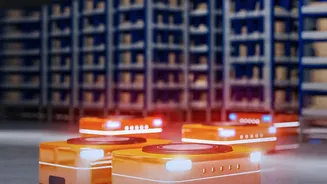
However, this rapid growth is not without its challenges. The logistics sector in India faces a persistent shortage of skilled personnel. The issue is often not a lack of applicants, but a 'readiness problem'—a gap between the skills workers have and the skills required for a modern, tech-driven warehouse environment. As automation and AI become standard on warehouse floors, the need for a digitally literate workforce grows more acute. Companies are finding it difficult to attract talent that perceives logistics as manual, low-growth work. Moreover, there is a significant shortage of trained delivery drivers, a critical link in the supply chain, due to difficult working conditions and a lack of social respect for the profession.
The Future of Work in India's Heartland
Despite the hurdles, the dark store boom represents a fundamental shift in India's economic geography. It is decentralising e-commerce opportunities away from a few megacities and creating a new class of formal-sector jobs in the nation's emerging urban centres. For job seekers in these cities, the rise of quick commerce offers a pathway into a structured work environment with predictable salaries and benefits. For the companies, successfully navigating the talent crunch by investing in upskilling, training, and improving working conditions will be key to sustainable growth. The speed at which they can hire and train this new workforce will determine the pace of the entire quick commerce revolution.