


The Nostalgia in Every Bite
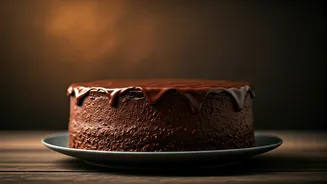
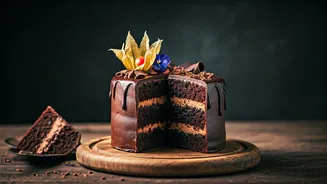
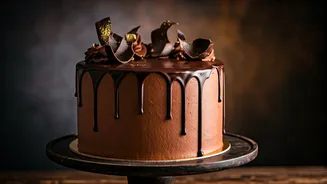
What makes a dark chocolate cake “vintage”? It’s a quality defined by rich, honest flavour and a dense, moist crumb that speaks of time-honoured methods. Think of the classic Devil's food cake, which emerged in the United States around the turn of the 20th
century. It was a direct, decadent counterpoint to the light and airy Angel food cake, characterized by its deep mahogany colour and intense chocolate taste. These early recipes, which gained widespread popularity by the 1910s, often relied on the chemical reaction between cocoa powder and baking soda to achieve their signature dark hue and texture. This was baking born from resourcefulness and a growing love for chocolate, which was becoming more accessible thanks to new processing methods. The result was a legacy of cakes that feel like a warm hug—familiar, satisfying, and steeped in family history.
The Heart of the Matter: Dark Chocolate
The secret to this enduring appeal lies in the core ingredient itself. Dark chocolate, with its higher percentage of cacao and lower sugar content, offers a complex, bittersweet flavour profile that provides a sophisticated foundation for both bakers and pastry chefs. Its versatility is its strength. Using high-quality chocolate is paramount, as it forms the entire flavour base of the cake. Adding hot coffee or espresso powder has become a popular technique, not to add a coffee flavour, but to "bloom" the cocoa and intensify its rich notes, a trick used in many modern recipes for Devil's food cake. This ability to be enhanced and manipulated is precisely why dark chocolate serves as the perfect bridge between traditional recipes and modern culinary creativity.
Reinventing a Classic with Modern Twists
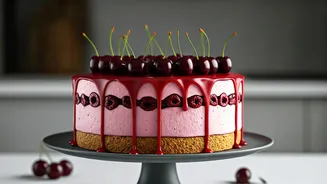
Today's bakers are not content to simply replicate the past; they seek to elevate it. This is where the modern toolkit comes into play. Fusion baking is a growing trend, where bakers blend techniques and ingredients from different culinary traditions to create something new and exciting. For dark chocolate cakes, this can mean a host of creative updates. Unexpected flavour pairings are a popular route; think a hint of chilli for a sweet-spicy punch, a sprinkle of sea salt to enhance sweetness, or even herbal notes like lavender infused into a ganache. There's also a move towards deconstruction, where a classic like a Black Forest cake is reimagined with its components presented in a new way—perhaps as a chocolate mousse with a cherry gelée and a light mascarpone cream instead of heavy layers. Furthermore, modern health consciousness has introduced alternative ingredients, like using avocado or olive oil instead of butter, or almond flour for a gluten-free option, which can add new textures and nutritional benefits without compromising on decadence.
The Best of Both Worlds
The fusion of traditional and modern isn't about erasing the original but honouring it. A baker might use a cherished family recipe for a fudge cake but make it with single-origin, artisanal chocolate. Or they might take the concept of a German chocolate cake and create a sophisticated version with a crunchy biscuit base, a flourless sponge, and a delicate vanilla Bavarian cream. These innovations aren't gimmicks; they are thoughtful reinterpretations designed to appeal to contemporary palates that crave both authenticity and novelty. By respecting the foundation of a great vintage recipe—its structure, its core flavour, its emotional resonance—and applying modern techniques, bakers create a dialogue between the past and present. It’s a way of ensuring these beloved recipes don’t just survive but thrive, continuing to create new memories for another generation.