



Why Space Is a Plant’s Best Friend
It’s tempting to plant seeds closely, hoping for a bigger harvest from a small balcony or garden patch. But as plants grow, this strategy backfires. Proper spacing is crucial because plants are in constant competition for three essentials: sunlight, water,
and soil nutrients. When they are too close, they cast shade on one another, preventing lower leaves from getting the light they need for photosynthesis. Underground, their roots battle for moisture and food, which can lead to stunted growth. Good spacing also improves air circulation around the plants, which helps leaves stay dry and significantly reduces the risk of fungal diseases like powdery mildew that thrive in damp, crowded conditions. Ultimately, fewer, well-spaced plants will produce a healthier and more abundant yield than many plants struggling to survive.
Signs Your Plants Are Too Close for Comfort
Your plants will tell you when they feel crowded. One of the most obvious signs is weak, spindly, or 'leggy' growth, where stems stretch unusually tall and thin as they desperately reach for sunlight. You might also notice the lower leaves turning yellow and dropping off because they are being shaded out by their neighbours. Poor flowering or a lack of fruit production is another key indicator that plants are under stress from competition. In a tightly packed bed, you may find that the soil dries out very quickly and plants seem to wilt more often, as multiple root systems are all drawing water from the same small area. This constant struggle for resources weakens the plants, making them more vulnerable to pests and diseases.
The Art of Thinning for a Stronger Garden
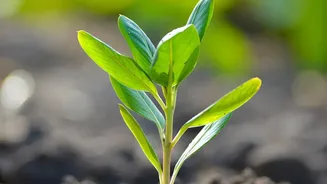
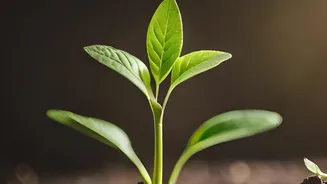
Thinning is the simple process of removing excess seedlings to give the remaining ones space to grow. The best time to do this is when seedlings have developed their first one or two sets of “true leaves”—these are the leaves that appear after the initial pair of starter leaves (cotyledons) and look like a miniature version of the adult plant’s leaves. At this stage, they are established enough to identify the strongest candidates but not so big that their roots are hopelessly tangled. The recommended method is to snip, not pull. Use a small, clean pair of scissors and cut the weaker seedlings off at the soil level. This avoids disturbing the delicate roots of the plants you want to keep. The roots of the snipped seedlings will simply decompose in the soil. For leafy greens like lettuce, coriander, or spinach, you can even eat the tender microgreens you thin out.
When Transplanting Is the Better Option
Sometimes, you don't want to sacrifice perfectly healthy plants. If your seedlings are valuable or you simply have space elsewhere, transplanting is a great option. This should also be done when plants have their first set of true leaves and are a few inches tall. To do it successfully, water the plants thoroughly an hour beforehand to help the soil cling to the roots. Then, gently separate the seedlings, trying to keep as much of the root ball intact as possible. Move the seedling to its new, pre-dug hole and water it generously to help the soil settle and reduce transplant shock. It's best to transplant on a cloudy day or in the late afternoon to protect the young plant from the stress of intense sun and heat. While there's always some risk involved, many young plants handle the move well if treated gently.
Spacing Guide for Common Indian Kitchen Gardens
While seed packets provide guidance, here are some general rules for popular plants found in Indian gardens. Tomatoes (Bhindi): Give vining tomatoes at least 2-3 feet of space, especially if you plan to stake them. For bush varieties, 1.5-2 feet is often sufficient. Chillies (Mirchi): These plants do well with about 1.5 feet of space between them, allowing for good airflow to prevent fungal issues. Okra (Bhindi): As a tall plant, okra needs about 12-18 inches between plants to thrive. Brinjal (Baingan): Allow about 2 feet between plants for these bushy growers to spread out. Leafy Greens (Palak, Dhania): These can be planted more densely. For cut-and-come-again harvesting, broadcast seeds lightly and thin to a few inches apart. For full heads of lettuce, allow 8-10 inches. Marigolds (Genda): Often used as companion plants, give them about 8-12 inches of space to allow them to bush out and flower profusely.