





The Perfect Storm for Price Hikes
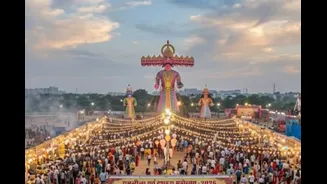
The period following Diwali has always been a popular window for travel, but 2026 is shaping up to be exceptional. According to travel industry reports, festive season bookings are running 50% ahead of last year. This isn't just about one factor; it's
a combination of forces creating a high-demand environment. Many Indians are now taking multiple short getaways during the festive quarter, from October to December, rather than a single long holiday. This trend, coupled with the usual post-Diwali travel boom, the ongoing wedding season, and a steady rebound in corporate and international travel, is creating unprecedented demand for hotel rooms across the board. As a result, hoteliers are experiencing near-full occupancy on key dates, giving them the confidence to raise tariffs.
Hotspots and Expected Hikes
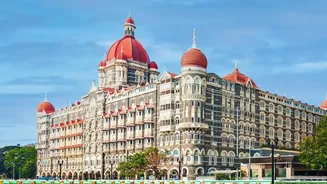
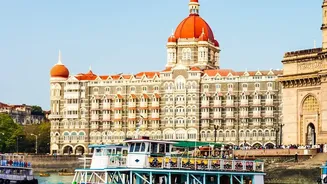
While the price rise is a nationwide trend, some destinations will feel the pinch more than others. A recent analysis highlights that average rates for mid-scale hotels could jump by nearly 27% in the week immediately following Diwali. Leisure destinations are at the forefront of this surge. Lonavala is seeing some of the highest average rates, followed by other hill stations like Mahabaleshwar and Mussoorie. Goa, a perennial favourite, is also projected to see a significant increase in accommodation prices. Beyond traditional holiday spots, major metropolitan cities are also commanding premium rates. For the first time since the pandemic, Mumbai and Delhi are leading with the highest average hotel tariffs, even surpassing popular leisure spots like Ranthambore and Rishikesh. Bengaluru is also projected to see rate increases of over 5%.
Luxury and Mid-Range Both Affected
This isn't just a story about five-star hotels. While luxury properties are certainly seeing a boom—with some premium stays climbing over 20% post-Diwali—the tariff increase is rippling through all segments. Average nightly rates across various property types have already climbed by 17% year-on-year, with rates during the Diwali period being about 30% higher than usual. Even hostel chains are reporting a 43% increase in bookings for November compared to the same time last year, indicating that budget-conscious travellers are also driving up demand. The surge is partly fuelled by a shift in spending habits, with many travellers now willing to spend more on premium experiences, including spacious villas and homestays, which have seen bookings grow even faster than hotels.
How to Navigate the Price Surge
While higher prices are largely unavoidable, some smart planning can help you manage your travel budget. The most effective strategy is to book well in advance. Travellers are already booking earlier, with the average booking window extending from 20 to 29 days before travel. If your dates are flexible, consider travelling during the week rather than on weekends, when prices are at their peak. Exploring less-crowded, emerging destinations can also yield better value. For example, while popular Himalayan towns are busy, there is growing interest in quieter locations in Kinnaur like Sangla and Kalpa. Similarly, smaller beach towns and wildlife destinations are gaining traction. Finally, always compare prices across different platforms, look for package deals that bundle travel and accommodation, and don't forget to leverage any loyalty points or membership benefits you may have.