


The New Festive Calendar
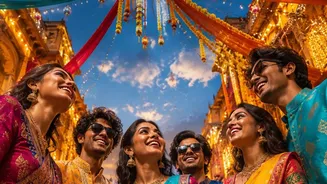
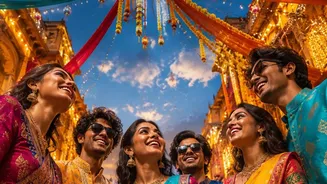
The life of a young Indian professional during festival season is a marathon, not a sprint. It’s a blur of office Diwali parties, late-night card games with friends, and traditional ceremonies with family, often in different cities. The wardrobe needs
to keep up. This 'hop, skip, and jump' schedule demands outfits that are versatile and don't require hours of prep or restrict movement. Gone are the days of wearing a heavy, single-use lehenga that weighs you down. Today’s generation needs apparel that can transition from a daytime puja to an evening social event without a complete overhaul, reflecting a blend of tradition and convenience.
The Rise of Breathable Fabrics
The biggest shift is in the fabrics. Heavy silks and velvets are making way for their lighter, airier counterparts. Think organza, Chanderi, georgette, and cotton blends. These materials offer a festive sheen and feel without the weight or the heat, a crucial factor for celebrations in India's often warm climate. Designers are leaning into fabrics that move and breathe with the wearer, allowing them to participate in festivities—whether it's dancing at a sangeet or running errands before a big family dinner—without feeling constrained. This move towards 'woven wind' fabrics like Mulmul is a direct response to a desire for outfits that feel as good as they look.
Silhouettes Built for Modern Life
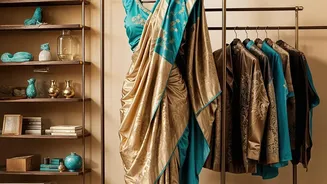
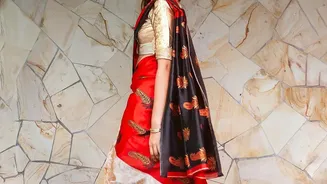
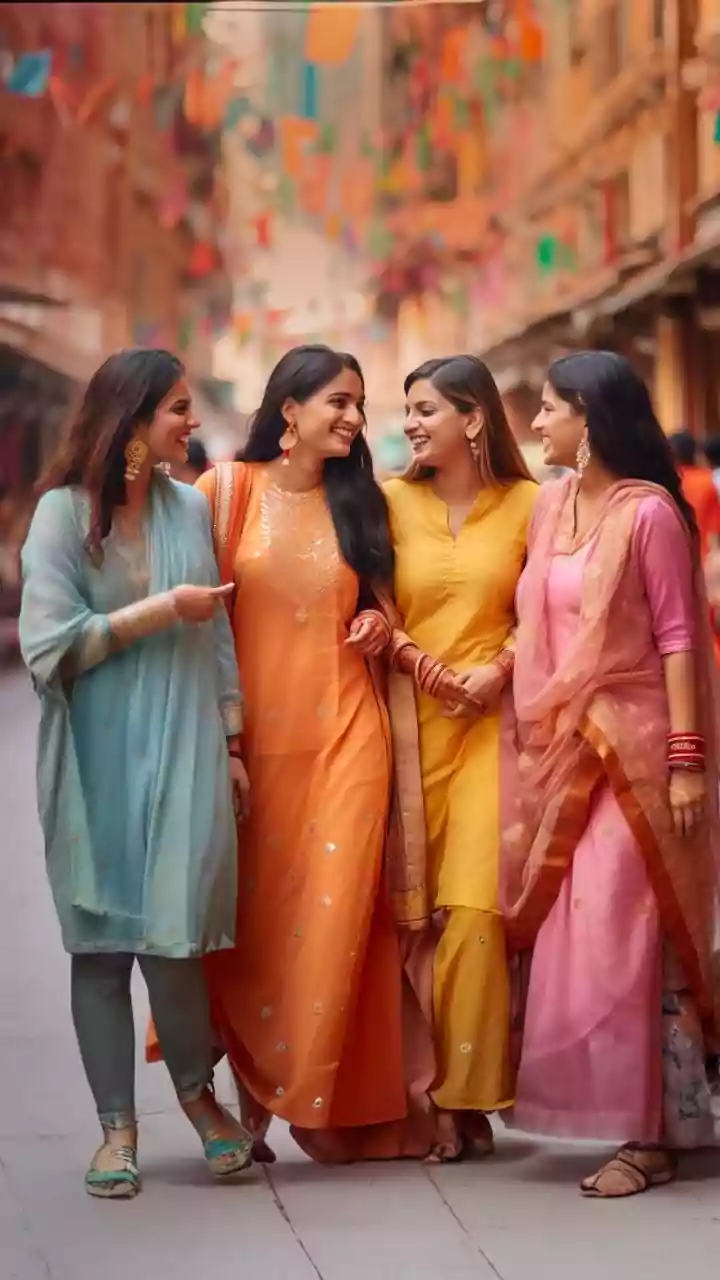
Along with fabrics, silhouettes have undergone a comfort-led evolution. The sharara and gharara have seen a massive revival, offering the grandeur of a lehenga with the ease of pants. Pre-draped sarees and dhoti sets provide the elegance of traditional drapes without the hassle, making them perfect for those short on time. Indo-Western co-ord sets and jacket-style suits are also gaining popularity for their modular nature; pieces can be mixed and matched, extending their life beyond the festive season. This isn't about rejecting tradition, but reinterpreting it into forms that fit a contemporary, dynamic lifestyle.
Packable, Practical, Perfect
For many young Indians working in metro cities, festivals mean traveling back to their hometowns. This is where portability becomes a non-negotiable feature. Lightweight outfits are easier to pack, less prone to wrinkling, and don't take up precious luggage space. This practicality extends to maintenance; lighter fabrics and more minimal embroidery are often easier to care for than heavily embellished garments. This appeals to a generation that values efficiency and smart, sustainable choices. An outfit that is easy to transport and wear multiple times is seen as a better investment than a cumbersome piece reserved for a single occasion.
Minimalism is the New Bling
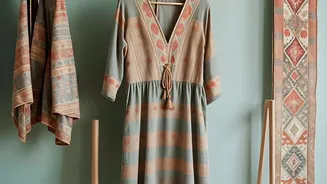
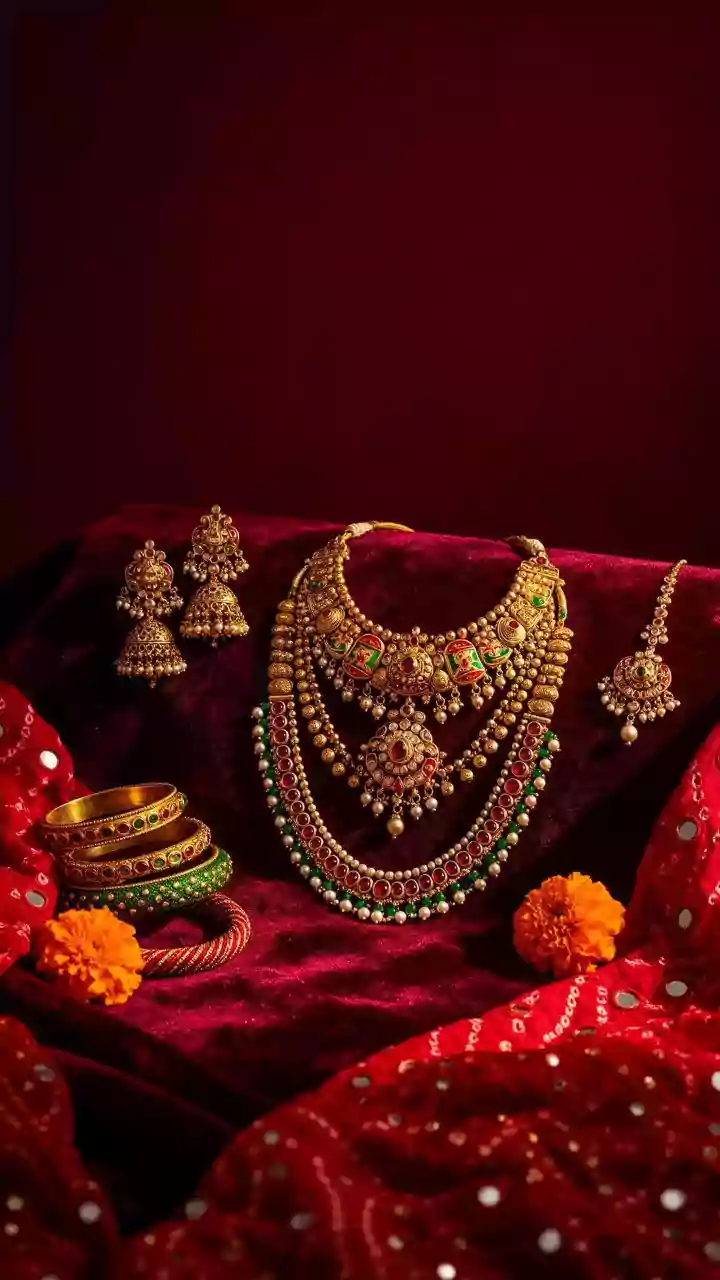
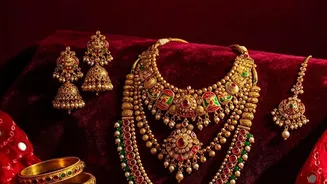
Choosing lightweight wear doesn't mean sacrificing style. The focus has simply shifted from heavy, all-over embellishment to more refined details. Minimal festive dressing is about being deliberate. Delicate embroidery, modern prints, and interesting cuts now provide the 'wow' factor. The outfit becomes a canvas, with the wearer using statement accessories like jhumkas or a festive bag to dial up the glamour as needed. It’s a move towards an understated, confident elegance that feels more personal and less performative. Jewel tones and earthy shades are also being embraced over the traditional bright reds, adding to this modern, sophisticated aesthetic.