


The Danger Zone You Must Avoid
Before we get to the 'how', let's understand the 'why'. The key to food safety lies in avoiding the “Temperature Danger Zone”. This is the temperature range between 5°C and 60°C (about 40°F and 140°F), where bacteria can multiply at an alarming rate.
In fact, the number of bacteria can double in as little as 20 minutes within this zone. Leaving a large, hot pot of food to cool on the kitchen counter seems logical, but it actually keeps the food in this danger zone for far too long, creating a perfect breeding ground for microbes that can cause foodborne illnesses. The goal is to move your food through this zone as quickly as possible.
Divide and Conquer: The Power of Shallow Portions
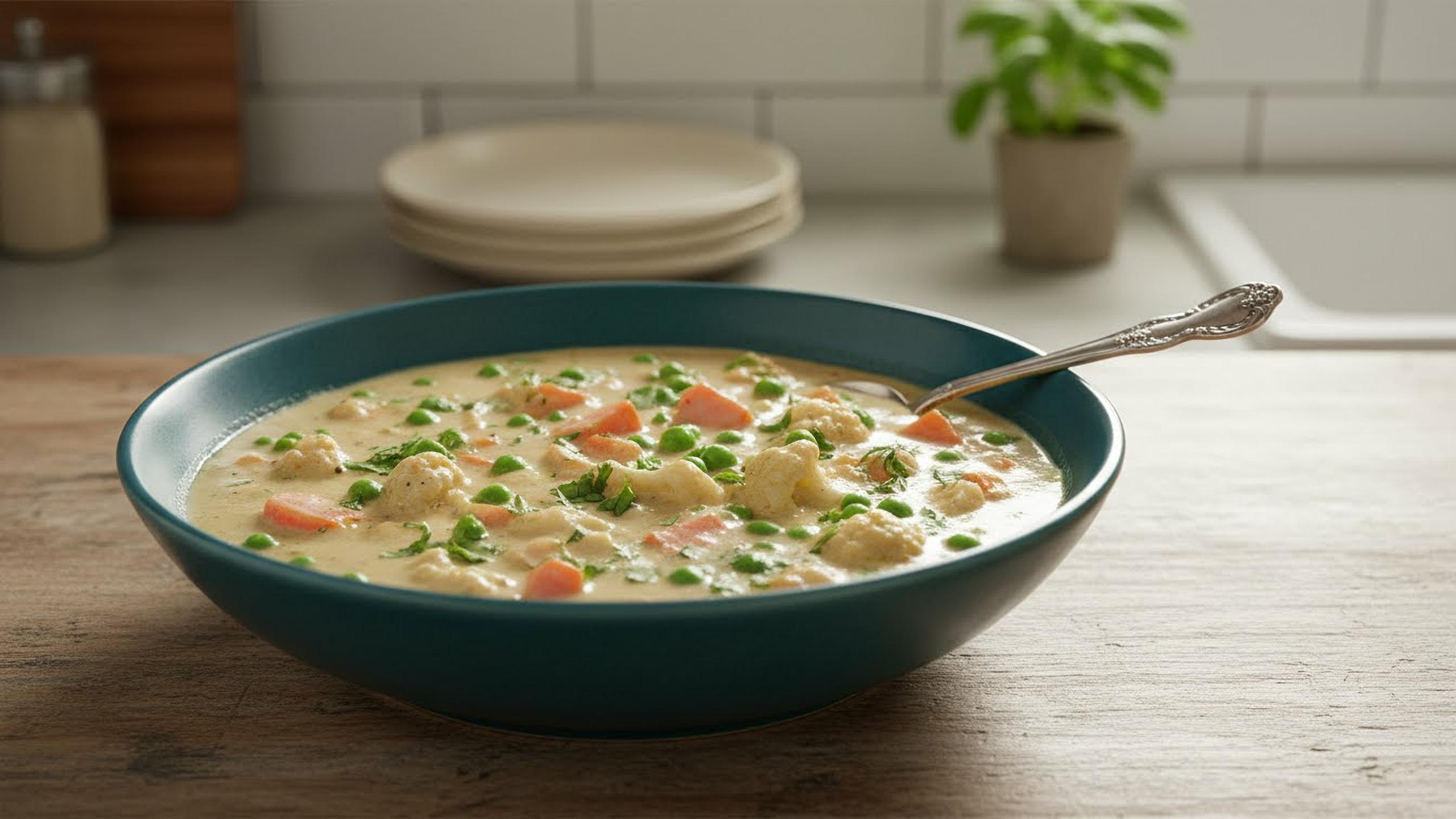
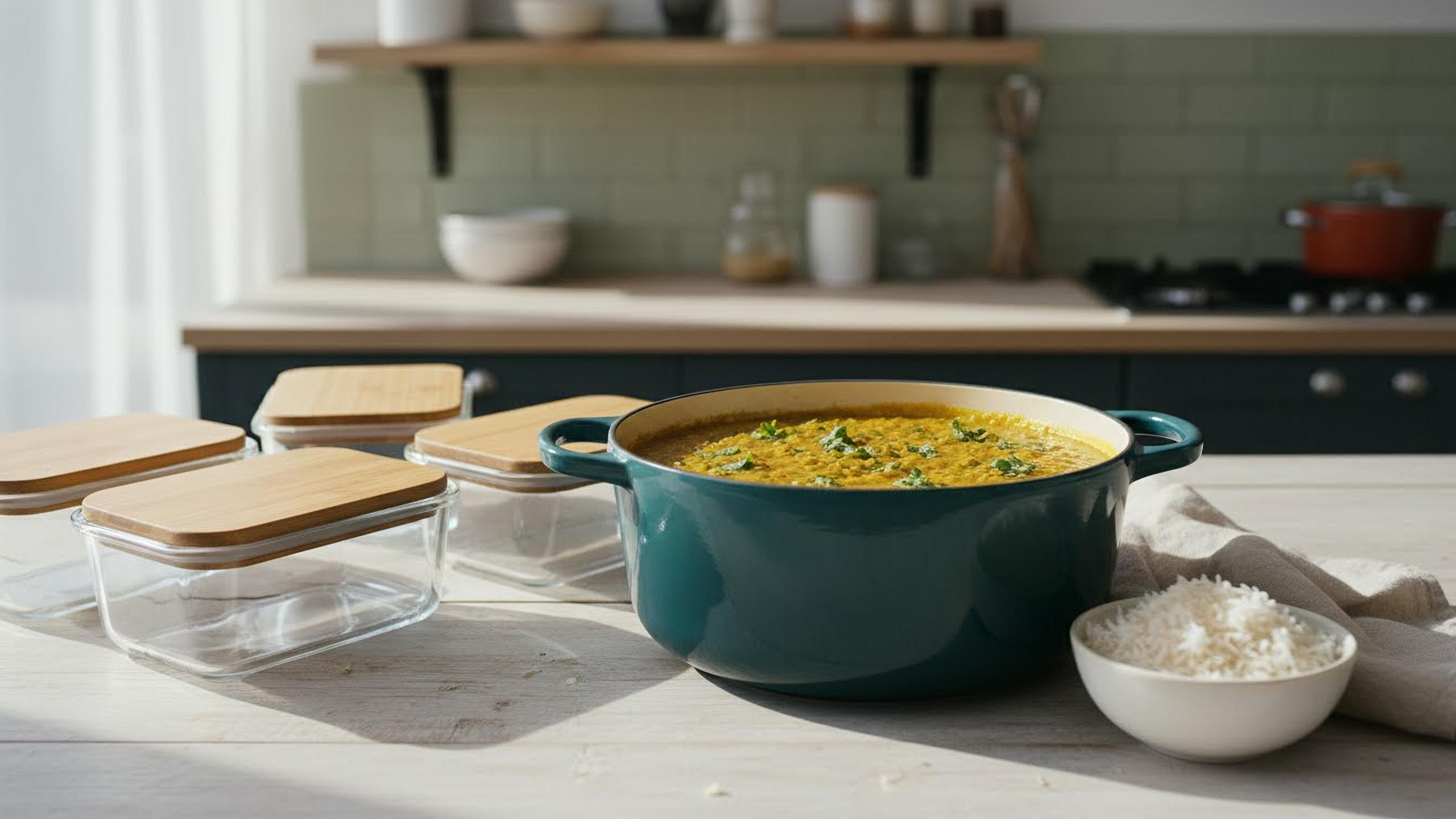
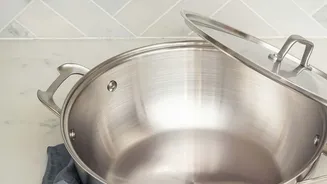
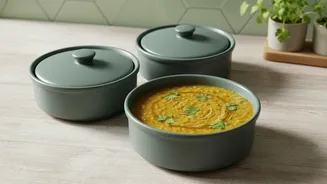
The single most effective way to cool food rapidly is to increase its surface area. A large, deep pot of curry or soup acts like an insulator, holding heat in its centre for hours. To counter this, you must “divide and conquer.” Instead of placing the entire pot aside, transfer the hot food into several smaller, shallow containers. Spreading the food out in a layer that is no more than two to three inches deep allows heat to escape much more quickly. Metal or glass containers are often better choices than plastic for this initial cooling phase, as they conduct heat away from the food more effectively.
To Cover or Not To Cover?
The question of covering food while it cools is a common point of confusion. If you put a tight lid on a steaming hot container, you trap heat and moisture, which slows down the cooling process. This condensation can also alter the texture of your food. Food safety experts recommend cooling the food first before covering it tightly for refrigeration. If you are concerned about contaminants while the food is cooling, you can cover it loosely with parchment paper or leave the lid slightly ajar. This allows steam and heat to escape while still offering some protection. Once the food has cooled down, you can then seal the container properly before placing it in the fridge.
Why Putting a Hot Pot in the Fridge is a Bad Idea
It might seem like a shortcut to place a large pot of hot food directly into the refrigerator, but this can cause two significant problems. Firstly, the heat radiating from the pot can raise the internal temperature of your refrigerator. This temporary warming pushes other foods in your fridge—like milk, cheese, and other leftovers—into the temperature danger zone, putting them at risk. Secondly, your refrigerator's compressor will have to work overtime to bring the temperature back down, which is inefficient and can put a strain on the appliance. While modern refrigerators are robust, this practice is best avoided, especially with very large quantities of hot food.
Active Cooling for Faster, Safer Results
For very large batches or when you're short on time, you can use active cooling techniques. The most common home method is an ice bath. After dividing your food into smaller metal pots or containers, place them in a clean sink or a larger basin filled with ice and a little cold water. Stirring the food periodically will help release heat and speed up the cooling process even more. According to food safety guidelines, you should aim to cool food from cooking temperature down to 21°C (70°F) within two hours, and then down to 5°C (41°F) or below within the next four hours.