






The Zero-Fee Revolution
Launched in 2016, UPI’s brilliance was its simplicity and, crucially, its cost—or lack thereof. By allowing instant bank-to-bank transfers with no charge to users or merchants, it became the backbone of India's digital economy. It onboarded millions of small
vendors who had previously relied on cash and powered everything from kirana store purchases to peer-to-peer transfers. This 'zero-MDR' (Merchant Discount Rate) policy, implemented in January 2020, was a deliberate government strategy to drive adoption. It worked spectacularly. In July 2026 alone, UPI processed over 23 billion transactions. The platform is now so dominant it accounts for the vast majority of all retail digital payments in the country.
Success Creates a Sustainability Crisis
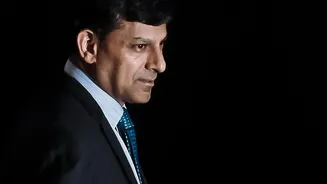
This incredible volume comes at a cost. Running the massive, secure, and reliable infrastructure for UPI isn't free. Banks, payment service providers (PSPs) like PhonePe and Google Pay, and the National Payments Corporation of India (NPCI) all incur significant expenses for servers, cybersecurity, and fraud prevention. A parliamentary committee recently flagged a massive gap between the industry's estimated annual operational cost of nearly ₹21,000 crore and the government's budgetary support of just ₹2,000 crore for 2026-27. This has led to industry-wide calls for a sustainable revenue model, with many arguing that the system cannot rely on inadequate government subsidies forever. As the RBI Governor noted, someone has to pay the cost.
The Case for Charges
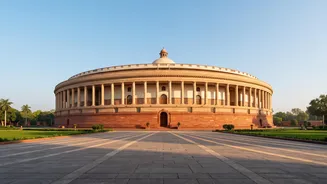
The core of the debate now revolves around reintroducing a Merchant Discount Rate. The argument from banks and PSPs is straightforward: without a revenue stream, they have little incentive to continue investing in upgrading the system, improving security, and driving further innovation. The government recently passed a bill that amends the Payment and Settlement Systems Act, creating a legal pathway to allow charges on certain UPI transactions. Proponents suggest a small, tiered MDR, perhaps around 0.3%, applied only to high-value transactions or large merchants, would be a fair solution. This would ensure that the vast majority of small merchants and all person-to-person payments remain free, while those who benefit most from the infrastructure contribute to its upkeep.
The Pushback to Keep It Free
The government, however, is treading carefully. Finance Minister Nirmala Sitharaman has repeatedly assured the public that consumers will not face any charges for using UPI. The primary concern is that introducing fees, even just for merchants, could reverse the gains in financial inclusion. Small businesses might be discouraged from accepting digital payments if it eats into their thin margins, potentially pushing a segment of the economy back toward cash. Furthermore, UPI is increasingly seen as essential Digital Public Infrastructure—like a digital road or utility—that should be funded by the state for the public good.
Competition and Market Dominance
The funding debate is complicated by market concentration. Just two players, PhonePe and Google Pay, have historically controlled over 80% of UPI transaction volumes. While their combined share dipped slightly to 79% in May 2026, their dominance remains a concern for regulators. NPCI has a long-standing but repeatedly-delayed guideline to cap any single app's market share at 30%, with the current deadline set for December 2026. A zero-fee environment makes it incredibly difficult for smaller players to compete, as they cannot sustain losses in the same way that deep-pocketed global companies can. A sustainable revenue model, some argue, could help level the playing field and foster a more competitive ecosystem.