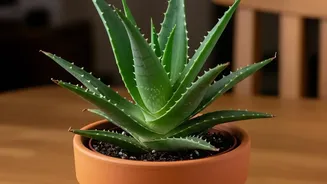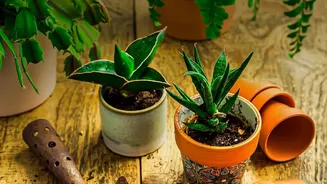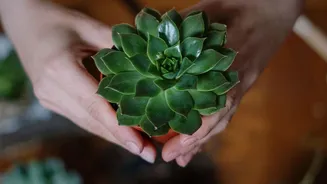



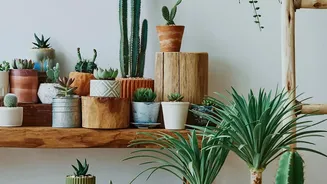
It's a frustrating paradox for any plant owner: you water your desert plant faithfully, but it still looks thirsty. The secret may not be how often you water, but how. A deep soak followed by thorough draining can make all the difference.
The Problem of Water-Repellent Soil
Have you ever
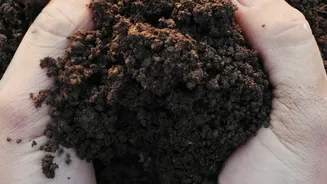
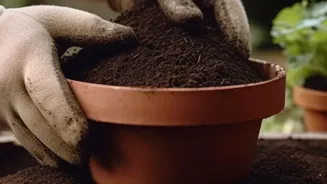
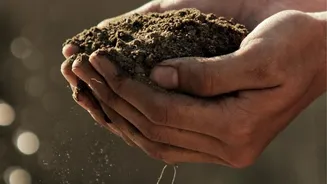
watered a very dry potted plant, only to see the water rush straight through and out the bottom? This is a common issue with desert plants like succulents and cacti. When their soil becomes bone-dry, as it often does between waterings, it can become 'hydrophobic', meaning it actually repels water. This is especially true for peat-based potting mixes. Instead of absorbing into the root ball where the plant needs it, the water finds the path of least resistance, flowing down the sides of the pot and leaving the roots completely dry. This is why frequent, light waterings can often lead to an underwatered plant, even with your best intentions.
Why the 'Soak and Drain' Method Works
The 'soak and drain' method, also known as bottom watering, is a game-changer for rehydrating stubborn soil. By placing the entire pot in a basin of water, you give the soil time to slowly absorb moisture from the bottom up through its drainage holes. This gradual process breaks the soil's surface tension, allowing it to become fully and evenly saturated. This technique mimics the infrequent but torrential downpours desert plants experience in their native habitats—a deep, thorough drench followed by a long dry spell. It encourages roots to grow deeper and stronger as they reach down for moisture, leading to a healthier and more resilient plant overall.
A Step-by-Step Guide to Soaking
Ready to give your plants the drink they deserve? The process is simple. First, find a sink, tub, or basin large enough to hold your plant's pot. Fill it with a few inches of water—enough to come up past the drainage holes but not so high that it spills into the top of the pot. Place your plant in the water and let it sit. The soaking time can vary from 15 minutes to an hour, depending on the pot size and how dry the soil is. You can tell it's working when the top of the soil becomes visibly moist. A terracotta pot might show a dark water line on the outside, which is a helpful visual cue.
The Most Important Step: Draining
Soaking is only half the battle; proper draining is non-negotiable to prevent the number one killer of succulents: root rot. Once the soil is fully saturated, remove the pot from the water and place it somewhere it can drain freely for at least 30 minutes, or until it stops dripping. Never leave your plant sitting in a saucer of excess water, as this keeps the roots constantly wet and deprives them of oxygen. The goal is a complete 'wet-dry cycle'. The soil should go from fully soaked to completely dry before you even think about watering again. This could take a week or several weeks, depending on the season, pot size, and humidity in your home.
Know Your Plant and Your Soil
This method is ideal for succulents and cacti, especially those in fast-draining soil mixes and pots with ample drainage holes. Using standard potting soil, which retains a lot of water, can increase the risk of root rot. Always use a specialised cactus or succulent mix, or amend your soil with gritty materials like pumice or perlite to improve drainage. While bottom watering is highly effective, it's also a good idea to water from the top every once in a while. This helps to flush out any mineral salts from tap water that can accumulate in the soil over time.