


India's Silent Health Crisis
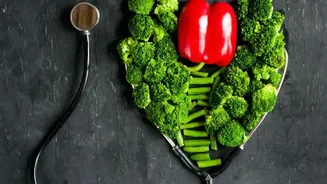
India is facing a massive, and often silent, public health challenge: hypertension, or high blood pressure. Estimates suggest over 220 million Indians live with the condition. Worryingly, many are unaware they have it. This isn't just a number on a medical
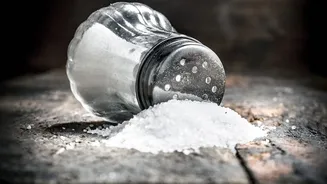
chart; high blood pressure is a leading risk factor for cardiovascular diseases, which are the primary cause of death in the country. The average Indian consumes 8 to 11 grams of salt daily, nearly double the World Health Organization's recommended limit of 5 grams. This excess sodium intake is a key driver of hypertension, significantly increasing the risk of heart attacks and strokes. It's this widespread issue that has prompted public health experts to seek a simple, scalable solution.
The Proposal: A Simple Switch
In response to this crisis, a consensus is growing among India's leading medical and public health experts. Groups like The George Institute for Global Health and Resolve to Save Lives, along with cardiologists and nutritionists, are advocating for a nationwide public health strategy centered on lower-sodium, potassium-enriched salt substitutes (LSSS). The proposal is not just about individual choice but integrating LSSS into national health guidelines and even government-funded food programs like mid-day meals. The core idea is to make a healthier option the default, tackling the problem at a population level without requiring drastic changes to cultural eating habits.
What Exactly Is Lower-Sodium Salt?
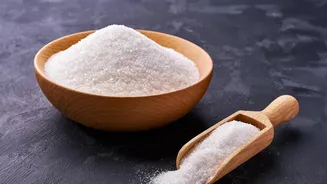
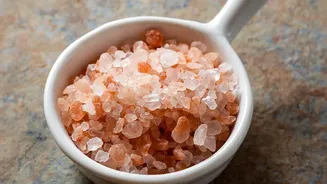
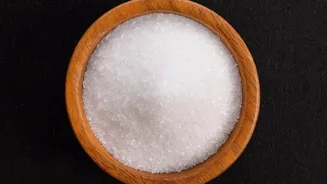
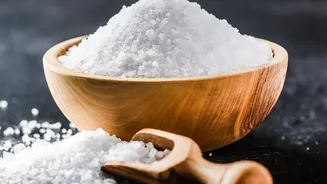
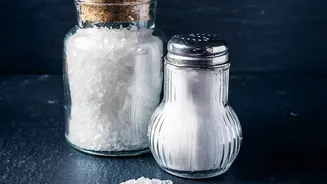
This isn't about using less salt, but using a different kind of salt. Lower-sodium salt substitutes look and taste almost identical to regular table salt. The key difference is their chemical composition. Instead of being 100% sodium chloride, a portion—typically 25-30%—is replaced with potassium chloride. This simple swap achieves two important things at once: it automatically reduces a person's sodium intake, and it increases their potassium intake. Most Indian diets are not only high in sodium but also low in potassium, a mineral that helps counteract sodium's effects and relax blood vessels. This dual action is what makes LSSS a powerful tool for blood pressure management.
The Evidence: Does It Lower Stroke Risk?
The case for lower-sodium salt rests on strong scientific evidence. Multiple large-scale clinical trials have demonstrated its effectiveness. The most notable is the Salt Substitute and Stroke Study (SSaSS), a massive trial involving nearly 21,000 people. Its results were compelling: participants who used the potassium-enriched salt substitute had a 14% lower risk of stroke, a 13% lower risk of major cardiovascular events (like heart attacks), and a 12% lower risk of death compared to those using regular salt. These findings show a clear link between switching salt and reducing the very outcomes that hypertension causes. A systematic review of trials confirmed that LSSS reliably lowers both systolic and diastolic blood pressure.
Are There Any Safety Concerns?
For the vast majority of the population, these salt substitutes are considered safe. The primary concern revolves around the increased potassium, which could be risky for a small subgroup of people with advanced chronic kidney disease (CKD) who cannot excrete potassium effectively. It's also a consideration for those on specific medications that raise potassium levels. However, major trials, including SSaSS, specifically screened out these high-risk individuals and found no increased risk of dangerously high potassium levels (hyperkalemia) among the general participants. Experts therefore recommend that while people with severe kidney issues should avoid LSSS, it is a safe and beneficial intervention for the wider population.