






From Guesswork to Guided Routines
The world of skincare can feel overwhelming. With thousands of products all promising miraculous results, it’s hard to know what your skin actually needs. This confusion often leads to a cycle of trial and error, resulting in wasted money and bathroom
shelves cluttered with half-used bottles. [4] Enter artificial intelligence, the new digital expert promising to cut through the noise. AI-powered tools are designed to move skincare from a reactive practice to a proactive and intelligent one, offering a level of personalisation that was once unimaginable. [2] By analysing your unique skin, these tools aim to recommend the right ingredients and routines, potentially making every product you use more effective. [4]
How AI Becomes Your Pocket Dermatologist
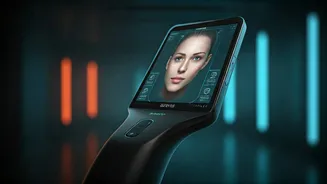
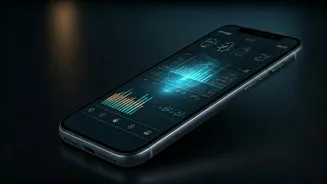
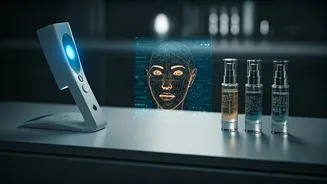
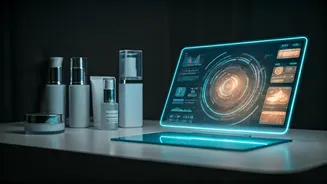
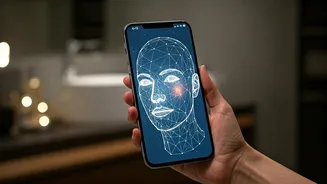
So, how does it work? Most AI skincare tools operate through smartphone apps or web platforms. [21] You typically start by taking a selfie. Using computer vision, the AI scans your photo, analysing it for various concerns like fine lines, wrinkles, dark spots, pore size, texture, and hydration levels. [9, 10] Some apps combine this visual data with a detailed questionnaire about your lifestyle, diet, environment, and skin concerns to build a comprehensive profile. [15] An algorithm then processes this information, comparing it to a vast database of skin images and data to generate a personalised skin analysis and recommend specific products or ingredients. [5, 8] In India, several brands and platforms are already using this technology, with some tools like the one from Cetaphil offering instant routine recommendations. [26] There are even India-specific apps like Skin Beauty Pal and a forthcoming collaboration between AIIMS and Google called Indus Derma, designed to increase access to dermatological advice in underserved areas. [3, 22]
The Promise of Precision and Accessibility
The main advantage of AI in skincare is precision. By analysing multiple data points, these tools can create highly tailored plans, minimising the costly guesswork of finding the right products. [5] They can track your skin's progress over time, adjusting recommendations as your skin changes with the seasons or in response to treatments. [9] This technology also democratises skincare knowledge. For those in rural or semi-urban areas with limited access to specialists, an AI app can be a valuable first step in understanding and managing common skin conditions. [22, 23] By flagging potential issues early, these tools can empower you to take a more proactive approach to your skin's health. [7]
When Technology Isn't Enough
Despite the innovation, dermatologists caution that these apps are not a replacement for professional medical advice. [11] While an AI can analyse a photo, it can't feel your skin's texture or understand the full clinical context behind a condition. [14] There are also significant limitations to consider. The accuracy of an analysis can be heavily influenced by factors like lighting, camera quality, and even your phone's angle. [24] Furthermore, many AI models have been trained on datasets that may lack diversity in skin tones, potentially reducing their effectiveness for Indian users. [24] Perhaps the most significant concern is the risk of misdiagnosis. An app might offer false reassurance for a serious issue or cause unnecessary anxiety over a minor one. [11, 24] Many free tools are also designed with a product bias, funnelling users toward purchasing products from a specific brand. [14]
A Smarter Skincare Future
AI in skincare is more than just a passing trend; it represents a fundamental shift in how we approach personal care. [6, 12] The future may see these tools integrate with smart mirrors and wearable sensors to provide real-time feedback on hydration and UV exposure. [5] However, for now, the wisest approach is to use these apps as a guide, not a gospel. They can be incredibly useful for learning about basic skin health and building awareness around daily habits like cleansing and sun protection. [23] Think of an AI analysis as a starting point—an insightful tool that helps you ask smarter questions and make more informed decisions. [23] It complements, rather than replaces, the irreplaceable value of human expertise.