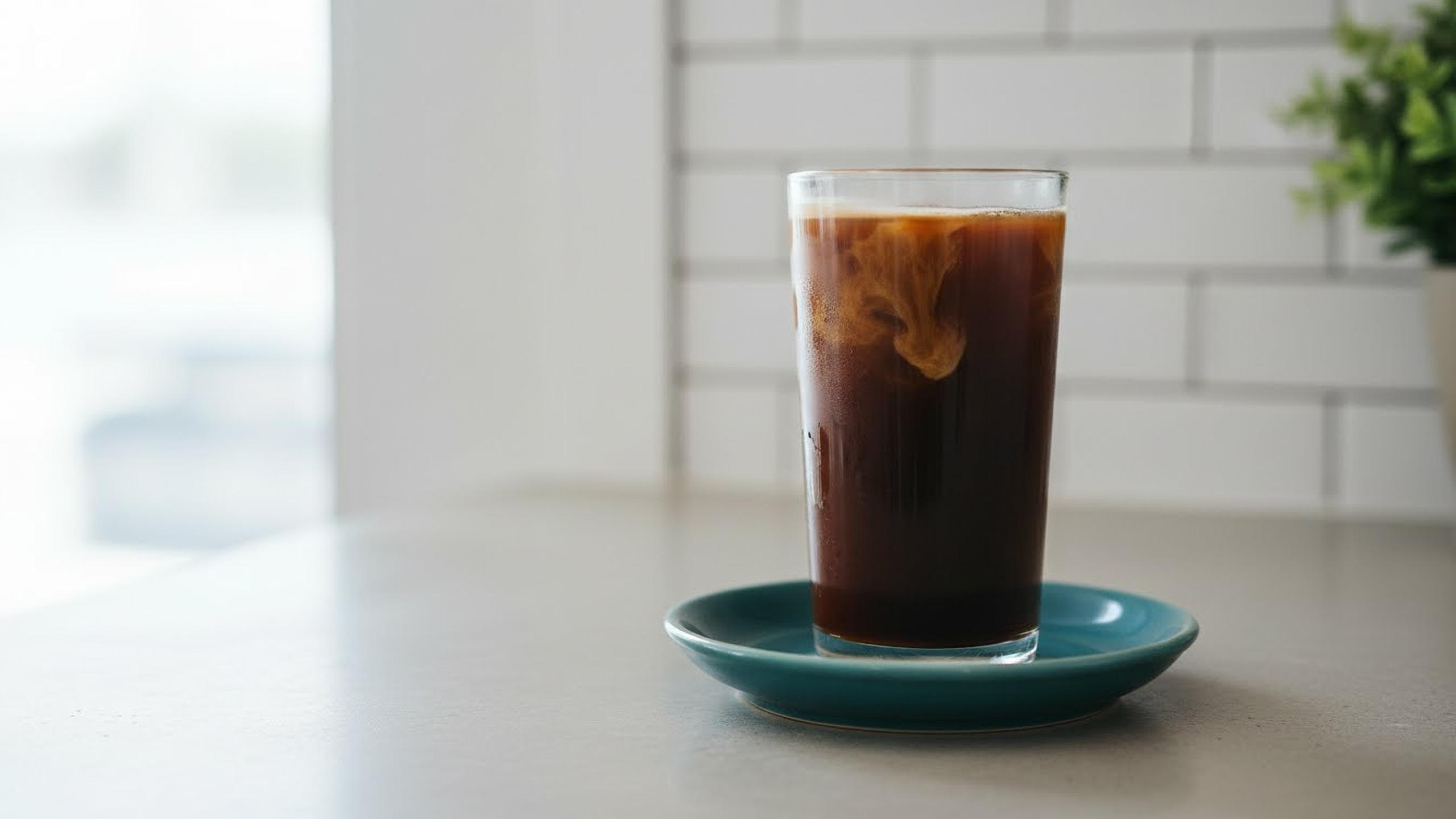







Why Cold Brew is a Game Changer
Unlike traditional coffee that uses heat to extract flavour, cold brew relies on time. By steeping coffee grounds in cold or room-temperature water for many hours, you get a fundamentally different result. The slow, gentle process extracts less of the
compounds that cause bitterness and acidity. The final product is a mellow, naturally sweet, and incredibly smooth coffee concentrate that can be up to 60% less acidic than its hot-brewed counterpart, making it a favourite for those with sensitive stomachs. This method produces a rich, clean flavour profile that allows the subtle notes of the coffee beans to shine through.
Gathering Your Simple Toolkit
You don’t need fancy, expensive equipment to make excellent cold brew. In fact, you probably already have everything you need. The essentials are a large jar or pitcher for brewing, coarsely ground coffee, filtered water, and a way to strain the grounds. A French press is a fantastic all-in-one tool for this. You can let the coffee steep directly in the press and then use the plunger to separate the grounds. Alternatively, a large mason jar works perfectly. For straining, you can use a fine-mesh sieve lined with a cheesecloth, a paper coffee filter, or even a clean nut milk bag.
The Grind and Ratio: Keys to Success
Two factors will make or break your brew: the grind size and the coffee-to-water ratio. For cold brew, you must use a coarse grind. Think of the texture of coarse sea salt or raw sugar. A fine grind, like the one used for drip coffee or espresso, will over-extract and result in a muddy, bitter brew. If you have a grinder at home, set it to its coarsest setting. As for the ratio, a good starting point for a concentrate is 1 part coffee to 8 parts water by volume. For example, use one cup of coffee grounds for eight cups of water. This creates a strong concentrate that you can dilute later.
The Overnight Steeping Process
This is where the magic happens, and it mostly involves patience. Combine your coarse coffee grounds and cold, filtered water in your jar or French press. Stir gently to ensure all the grounds are saturated. Then, cover the container and let it steep. The ideal steeping time is between 12 and 18 hours. A minimum of 12 hours is recommended to avoid a weak, under-extracted taste. You can leave it on your counter at room temperature or in the refrigerator. Steeping for around 16 to 18 hours often hits the sweet spot for a smooth, robust flavour. Be careful not to steep it for more than 24 hours, as this can reintroduce bitter and woody flavours.
Straining and Storing Your Brew
Once your coffee has finished steeping, it’s time to separate the liquid gold from the grounds. If using a French press, slowly press the plunger all the way down. For an even cleaner cup, you can pour the coffee through a paper filter afterward. If you used a jar, set up a fine-mesh sieve over another container and pour the coffee through it. For maximum clarity, line the sieve with cheesecloth. Take your time and let it drip naturally; squeezing the grounds can push bitter sediment into your concentrate. Once strained, your cold brew concentrate can be stored in a sealed container in the refrigerator for up to two weeks.
Serving and Customising Your Coffee
You’ve made a concentrate, so don't drink it straight unless you want a serious caffeine kick. The standard way to serve it is by mixing one part cold brew concentrate with one part water or milk over ice. From there, the possibilities are endless. You can add a splash of hot water for a smooth, hot cup of coffee. Try infusing your steeping grounds with a cinnamon stick or a split vanilla bean for an aromatic twist. Mix your finished concentrate with sparkling water for a coffee soda, or blend it into a smoothie. This versatile base is your new best friend for morning beverages.