






The Humidity Deception
That familiar monsoon stickiness is caused by high humidity, which has a deceptive effect on your body during exercise. Normally, your body cools itself when sweat evaporates from your skin. But when the air is already saturated with moisture, your sweat can't
evaporate effectively. Your body's primary cooling mechanism is compromised. As a result, you might feel drenched but not necessarily realise the sheer volume of fluid you are losing. This creates a dangerous gap between how dehydrated you are and how dehydrated you feel, as the usual cues like rapid sweat evaporation are missing.
Why You're Losing More Water Than You Think
Because sweat isn't cooling you down efficiently, your body's response is to produce even more of it in a desperate attempt to lower your core temperature. This puts your system under immense strain, forcing your heart to work harder to pump blood to the skin for cooling. This process leads to a much higher rate of fluid and salt loss than you would experience in dry heat, even if the temperature is lower. The feeling of being constantly damp can be misleading; you're not just wet, you're actively losing the essential fluids and minerals your muscles need to function.
Signs of Dehydration to Watch For
Thirst isn't a reliable indicator of dehydration, especially in humid weather. By the time you feel thirsty, you're often already on your way to being dehydrated. Instead, look out for more subtle signs during and after your workout. These include unusual fatigue, persistent headaches, dizziness, and muscle cramps. One of the most reliable indicators is the colour of your urine. If it's dark yellow or amber, your body is pleading for more fluids. Paying attention to these early warnings is crucial to prevent your performance from dipping and to avoid more serious conditions like heat exhaustion.
A Proactive Hydration Plan
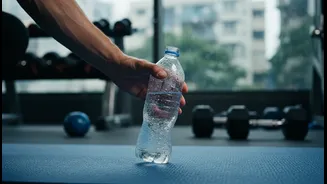
The key to monsoon hydration is to be proactive, not reactive. Don't wait until you're at the gym to start thinking about water. Begin hydrating hours before your workout, drinking about 500 ml of water two to four hours prior. This ensures your body starts in a state of euhydration, or normal fluid balance. During your workout, get into the habit of taking small, regular sips of water every 15-20 minutes, even if you don't feel thirsty. Aim for about 150-200 ml each time. This steady intake is far more effective than chugging a large amount of water at once, which can lead to bloating and discomfort.
Why Water Alone Isn't Always Enough
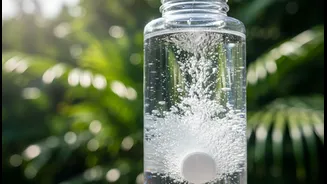
When you sweat excessively in high humidity, you don't just lose water; you lose critical electrolytes like sodium, potassium, and magnesium. These minerals are vital for muscle function, nerve signaling, and maintaining your body's fluid balance. Relying solely on plain water can sometimes dilute the remaining electrolytes in your system, potentially leading to a dangerous condition called hyponatremia (low sodium). For workouts lasting over an hour or if you are a particularly heavy sweater, it's wise to incorporate an electrolyte-rich drink.
Smart Electrolyte Choices
You don't always need to reach for a sugary sports drink. Natural alternatives are often just as effective. Coconut water is an excellent source of potassium. A simple homemade solution of lemon water with a pinch of salt can also do the trick. Other great options include buttermilk (chaas) or unsweetened fruit juices. These drinks help replenish the essential salts lost through sweat, aiding in faster rehydration and preventing the onset of muscle cramps and fatigue. The goal is to replace what you've lost to keep your body firing on all cylinders.