





Forget Rules, Follow Principles
The Mediterranean diet is consistently ranked as one of the healthiest eating patterns in the world, linked to a lower risk of heart disease, type 2 diabetes, and other chronic conditions. But its success doesn't come from specific, mandatory foods. Instead,
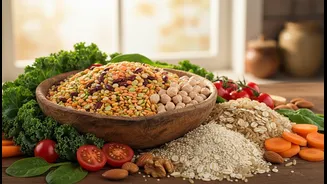
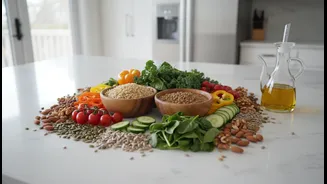
it's a flexible pattern that emphasizes whole foods, plants, and healthy fats. Think of it as a blueprint: lots of vegetables, fruits, and whole grains; healthy fats as the primary source; moderate amounts of fish, poultry, and dairy; and very little red meat or processed sweets. This pattern-based approach is what makes it so adaptable to different cultures and cuisines, including the Indian one.
Embrace Plant Power, Indian-Style
The foundation of the Mediterranean diet is an abundance of plant-based foods. This is where Indian cuisine already excels. Our meals are rich in vegetables and, most importantly, legumes. Dals, chana, and rajma are nutritional powerhouses of fibre and protein that fit perfectly into this eating style. The key is to make them the star of the plate. Instead of a small serving of dal with a large portion of white rice, flip the ratio. Fill half your plate with sabzi (vegetable dishes), a quarter with dal or legumes, and the final quarter with a whole grain. Focus on seasonal vegetables to maximize freshness and nutrients. Many traditional Indian greens like methi (fenugreek leaves) and chaulai (amaranthus) are excellent additions.
Rethink Your Healthy Fats
Extra virgin olive oil is the signature fat of the Mediterranean. While it's a great choice, you don't need to use it exclusively. The core principle is to prioritize unsaturated fats over saturated and trans fats. For Indian cooking, cold-pressed mustard oil, sesame oil, or even groundnut oil can be healthy alternatives for different preparations. The goal is to move away from refined vegetable oils and limit the use of butter and ghee. Use healthy oils for sautéing and tempering (tadka), and consider a drizzle of extra virgin olive oil over salads or cooked dishes for its flavour and anti-inflammatory benefits. A handful of nuts and seeds like walnuts and flaxseeds (alsi) can also provide a healthy dose of fats and omega-3s.
Choose Your Proteins Wisely
In the Mediterranean pattern, fish is a staple protein, eaten several times a week. If you enjoy fish, local varieties are a fantastic choice. For others, poultry and eggs are eaten in moderation. However, for a large vegetarian population in India, this is easily adapted. As mentioned, legumes and lentils are primary protein sources. Dairy products like homemade dahi (yogurt) and moderate amounts of paneer also fit well. The main guideline is to limit red meat consumption. Think of meat as a side or flavouring agent rather than the main event of a meal.
Go for Whole Grains
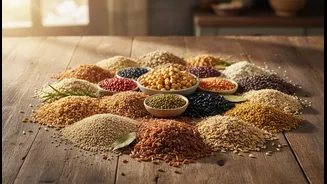
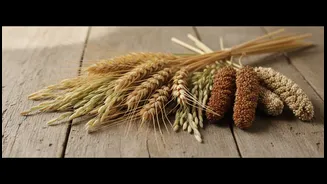
Refined carbohydrates like white rice and maida (white flour) should be limited. The Mediterranean approach encourages whole grains, which are already a part of India's diverse culinary landscape. Instead of white rice, opt for brown rice. Swap regular atta for whole-wheat chakki atta. Better yet, explore the world of millets like jowar, bajra, and ragi. These can be used to make rotis, cheelas, or even alternatives to rice like millet pongal. These grains are higher in fibre, which helps with satiety, blood sugar control, and overall digestive health.