


The Great Footwear Rebellion
For decades, Indian wardrobes operated on a strict footwear hierarchy. Formal occasions demanded polished dress shoes or elegant, often painful, heels. Sneakers, sandals, and flats were relegated to weekends and casual errands. But the lines have blurred.
The once-rigid rules dictating that 'serious' outfits require 'serious' (and often uncomfortable) shoes have crumbled. This change is driven by a collective move towards personal expression and practicality, reflecting a major cultural shift where comfort is no longer seen as the opposite of style, but an essential component of it. The post-pandemic world, in particular, accelerated this trend, as millions who spent months working in comfort-first attire refused to go back to the old, restrictive norms.
Rise of the Sneaker
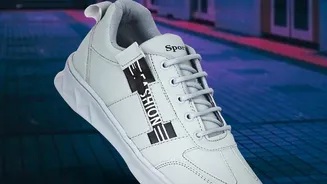
At the forefront of this movement is the humble sneaker. Once confined to gyms and sports fields, sneakers are now a dominant force in high fashion and everyday wear. India's sneaker market is witnessing explosive growth, evolving into a multi-billion dollar industry. This boom is fuelled by Gen Z's obsession with streetwear, the influence of global pop culture, and a burgeoning community of 'sneakerheads' who view rare pairs as collectible assets. Celebrities like Deepika Padukone and Anand Ahuja have been instrumental in popularising the look, confidently pairing luxury sneakers with everything from sharp suits to traditional bandhgalas. Their airport looks, often featuring chunky or classic white sneakers, have become a major source of style inspiration, proving that you don't have to sacrifice comfort for a paparazzi-ready outfit.
Comfort Beyond Sneakers
While sneakers grab the headlines, the comfort-first movement is much broader. The core idea is that you shouldn’t have to suffer for style. This has paved the way for a variety of other comfortable footwear to enter the mainstream formal and festive space. Block heels have effectively replaced stilettos as the go-to for long events, offering height without the pain. Stylish loafers, mules, and embellished juttis with cushioned soles are now frequently paired with workwear and ethnic ensembles. Even clogs and ergonomically designed sandals, once seen as purely functional, are being styled in chic, unexpected ways, proving their versatility across seasons and occasions. This reflects a consumer demand for footwear that is not just stylish, but also built for the realities of a long, active day.
How to Style the Trend
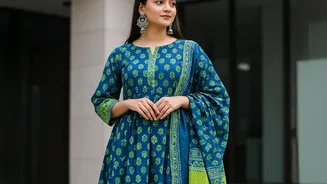
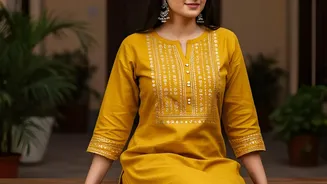
The art of pairing comfortable shoes with dressier outfits lies in balance and intention. When styling sneakers with ethnic wear, like a kurta or even a saree, starting with a clean, neutral pair, such as classic white low-tops, is a safe bet. This creates a modern look without clashing with intricate embroidery or bright colours. For a bolder statement, you can match the colour of your sneakers to an element in your outfit. The key is ensuring the silhouette works; ankle-length trousers or sarees with a high drape allow the shoes to be seen. Similarly, for Western formals, a crisp pair of leather sneakers can look incredibly sharp with a tailored suit or a blazer and wide-leg trousers, a combination that has become a new office-wear staple.
A Shift That's Here to Stay
This trend is more than just a passing phase; it’s an evolution in our fashion consciousness. It signals a move away from rigid, outdated dress codes towards a more authentic and individualistic approach to style. The hybrid work model has cemented the need for versatile wardrobes that transition seamlessly from a video call at home to a meeting in the office. Consumers now expect and demand footwear that delivers on both aesthetics and function. The rise of homegrown Indian brands focusing on culturally relevant designs and comfort further cements this shift. In a world where wellness and self-care are paramount, it only makes sense that our feet get to be comfortable, no matter the occasion.