








From Fossils to the Forefront of Medicine
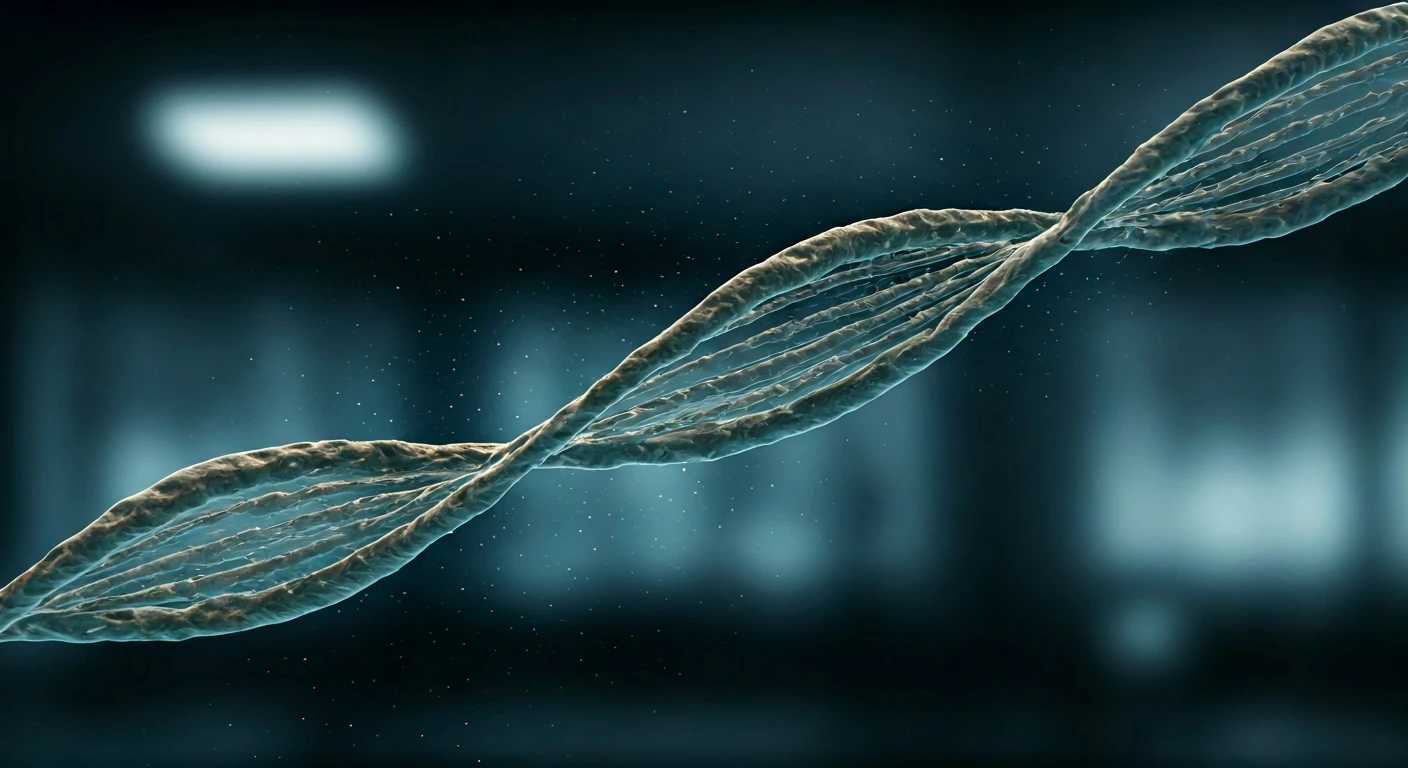
For decades, ancient DNA (aDNA) was a niche field, limited by the tiny, degraded fragments of genetic material that could be recovered from bones, teeth, and preserved tissues. But thanks to massive leaps in sequencing technology, scientists can now piece
together entire genomes from specimens that are thousands, or even tens of thousands, of years old. This has transformed paleogenomics—the study of ancient genomes—from a historical curiosity into a vital instrument for public health. By analyzing the genetic makeup of both ancient peoples and the pathogens that infected them, researchers are gaining unprecedented insights into how diseases emerge, evolve, and how our own bodies have adapted to fight them.
Tracking the Ghosts of Pandemics Past
To understand future pandemics, it helps to look at past ones. Scientists are now able to extract the full genetic code of pathogens from the remains of their victims. For instance, by analyzing the DNA of Yersinia pestis, the bacterium that caused the Black Death, from the teeth of 14th-century skeletons, researchers can trace its spread across Europe and understand how it evolved. Similarly, aDNA analysis of Mycobacterium tuberculosis, the bacterium causing TB, has provided genetic evidence of the heavy burden the disease has placed on humanity for millennia. This work isn't just a history lesson. It helps scientists understand how pathogens acquire new virulence factors, how they jump between species, and how they persist in the environment, providing a blueprint for how modern diseases might evolve and spread.
Our Immune System: A Story Written in Old Genes
Our bodies are living records of our ancestors' struggles with disease. Infectious diseases have been a powerful force of natural selection, shaping our immune systems over millennia. Ancient DNA reveals this story in stunning detail. Studies have shown how genetic variants inherited from our archaic relatives, like Neanderthals and Denisovans, still influence our immune responses today. Some of this archaic DNA appears to have helped modern humans adapt to new pathogens as they migrated out of Africa. For example, specific gene variants inherited from Neanderthals have been linked to both increased and decreased severity of infections like COVID-19, showing the complex legacy of this ancient interbreeding. By tracking how the frequency of certain immune-related genes has changed over time, scientists can pinpoint which diseases were major threats in the past and how our bodies evolved to counter them.
The Double-Edged Sword of Adaptation
The genetic adaptations that helped our ancestors survive may have modern-day trade-offs. Some studies suggest that gene variants that once conferred resistance to deadly infections are now associated with an increased risk of autoimmune and inflammatory disorders. For example, a genetic trait that ramped up inflammation to fight off a bacterial infection would have been incredibly valuable in a pre-antibiotic world. Today, in a more hygienic environment, that same hyperactive inflammatory response could contribute to conditions like Crohn's disease or rheumatoid arthritis. Paleogenomics allows researchers to test these theories by observing how the frequency of these risk alleles has changed over thousands of years, offering a new perspective on why these chronic diseases are so prevalent today.
A New Frontier with New Ethical Questions
The power of this new field also brings significant ethical responsibilities. The analysis of ancient DNA often involves the destructive sampling of human remains, which can be seen as disrespectful by many, particularly Indigenous communities who view these remains as ancestors, not specimens. There are complex questions about who gives consent for research on people who died long ago and how the data might impact living descendants. As the field has grown, researchers, anthropologists, and community stakeholders have been working to establish global ethical guidelines. These guidelines emphasize minimizing damage to remains, engaging with local and descendant communities from the start, and ensuring that the research is conducted with respect and sensitivity.