





A Festival of Faith and Commerce
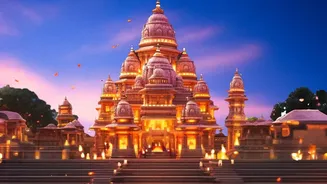
Sharad Navratri, which in 2026 begins on October 11, is a celebration of divine feminine energy, culminating in the triumph of good over evil. For nine nights, homes and communities come alive with prayers, music, and dance. But beyond its deep spiritual
significance, the festival is a major economic catalyst. According to the Confederation of All India Traders (CAIT), Navratri festivities are projected to generate business worth over ₹50,000 crore nationwide. This surge provides a crucial lifeline for countless small businesses, artisans, and craftspeople who form the backbone of the festive economy. From idol makers to event organizers, the nine days of celebration translate into significant income and employment.
The Fragrant Boom in Florals
Flowers are inseparable from Navratri, used in daily pujas, decorating home temples, and adorning community pandals. The demand for marigolds, roses, jasmine, and other auspicious blooms skyrockets during this period. For flower vendors and farmers, this is one of the most important times of the year, with sales often doubling or tripling. The first day of Navratri, with its focus on the colour orange, sees a particularly high demand for marigolds. This fragrant boom is a direct injection of revenue into local agricultural communities, supporting livelihoods and sustaining the vibrant, colourful traditions of the festival. People purchase flowers in bulk for religious offerings and decorations, making the floral trade a key beneficiary of the festive spending.
Lighting Up Livelihoods with Earthen Diyas
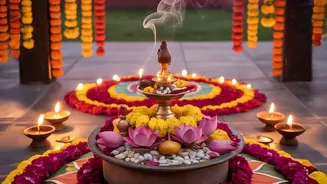
While modern electric lights have their place, Navratri sees a beautiful resurgence in the demand for traditional earthen lamps, or diyas. These simple clay lamps are considered essential for rituals and creating a spiritually charged atmosphere. This trend provides a vital boost to local potters and artisans, many of whom have been honing their craft for generations. As consumers increasingly lean towards authentic and eco-friendly options, the handmade diya has become a symbol of this conscious shift. Government initiatives promoting local products have also helped bolster the market for these indigenous crafts, ensuring that the warm glow of a diya also lights up the home of its creator.
Weaving Tradition into Modern Wardrobes
Perhaps the most visible trend is the explosion in demand for traditional textiles. Garba and Dandiya nights are the heartbeat of Navratri, and dressing the part is central to the experience. This drives a massive demand for Ghagra Cholis, Bandhani sarees, and mirror-work lehengas. Both men and women participate, with men opting for colourful kurta sets. Retailers report a significant increase in sales of ethnic wear, with styles ranging from classic hand-embroidered pieces to contemporary fusion outfits. Fabrics like cotton, silk, and georgette are popular choices, often adorned with intricate patterns that reflect regional heritage. This seasonal wardrobe refresh supports a vast ecosystem, from weavers in Gujarat to retailers across the country.