






At a glance, hiking and skateboarding seem worlds apart. One is a meditative journey through nature; the other a fast-paced dance with concrete. Yet both are fantastic for physical and mental health, especially for building coordination and reflexes.
The Deliberate Coordination of Hiking
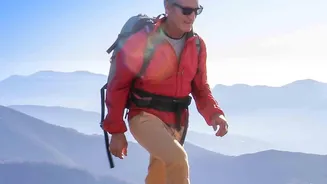
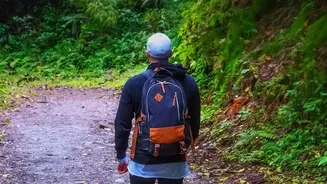
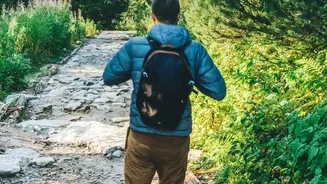
Hiking is an exercise in endurance and sustained attention. When you walk on a trail, your body is in a constant, subtle dialogue with the ground beneath you. Every rock, root, and change in elevation requires your brain to make small, continuous adjustments to maintain balance. This develops a specific type of coordination rooted in proprioception—your body's ability to sense its position in space without looking. Research shows that hiking on uneven terrain forces you to engage core and stabilising muscles in your legs, improving your overall balance over time. The reaction time it hones is not about split-second reflexes, but rather a deliberate, forward-thinking process. A hiker's brain is constantly scanning the path ahead, processing the ever-changing visual field to identify potential slip or trip hazards and planning foot placement accordingly. This creates a rhythm of anticipation and response that is both physically and cognitively demanding.
Skateboarding’s Split-Second Reflexes
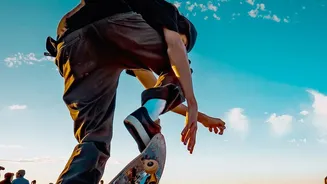
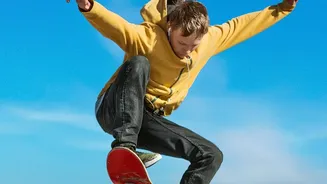
Skateboarding operates on a completely different timeline. It is an activity defined by bursts of explosive action and the need for immediate, precise adjustments. Mastering a skateboard requires dynamic balance, where your body must react in milliseconds to maintain equilibrium on a moving board. This constant state of flux trains reaction time in a much more direct and rapid way than hiking. Whether avoiding a crack in the pavement, setting up for a trick, or shifting weight through a turn, a skateboarder's nervous system is firing constantly. This builds a unique kind of coordination that blends gross motor skills (pushing, balancing) with fine motor precision (subtle ankle and foot movements to steer or land a trick). The intense focus required can induce a 'flow state', where time seems to slow down and the mind becomes completely absorbed in the present moment, enhancing concentration and mental agility.
Reaction Time: Anticipatory vs. Reactive
The core difference in reaction time between the two activities lies in their nature. Hiking cultivates an anticipatory awareness. You see an obstacle, process its challenge, and adjust your movement deliberately. Your brain is trained to look ahead and prepare for what's coming a few steps down the trail. In contrast, skateboarding fosters reactive agility. While skaters also plan their lines, they must be prepared for the unexpected—a sudden pedestrian, a rough patch of ground, or a slight miscalculation in a trick. This demands an instantaneous response where the body corrects itself almost without conscious thought. Skateboarding essentially functions as a form of high-intensity interval training (HIIT) for your reflexes, alternating between moments of calm cruising and sudden, demanding actions.
A Different Kind of Brain Boost
Both activities are also excellent for your brain, but they provide different mental benefits. The rhythmic nature of hiking, combined with being in a natural environment, has been shown to reduce stress and mental fatigue. Studies suggest that time in nature can lower cortisol levels and allow the brain's attention systems to recover from the constant demands of modern life. Hiking can boost creative thinking and improve cognitive functions like memory. Skateboarding, on the other hand, provides a more intense mental workout. The process of learning tricks involves a constant feedback loop of failure, adjustment, and eventual success, which builds resilience and patience. The intense concentration required sharpens focus, and successfully overriding the brain's fear signals to commit to a trick or drop into a ramp trains emotional regulation and builds confidence.